Category: General

Supporting Families Through The Legal Challenges Of Nursing Home Neglect

When a loved one needs continuous care, families have a great deal of faith in nursing homes and long-term care institutions. They anticipate that residents will be treated with respect, given the proper attention, and have their health and dignity safeguarded. Families may experience mental pain while attempting to comprehend complex legal issues if that obligation is not met.

Failures in monitoring, personal care, medical attention, safety protocols, communication, or other duties related to a resident’s well-being might be considered nursing home neglect. Families may make well-informed judgments and choose the best course of action when issues emerge by being aware of their legal alternatives.

Knowing When Inadequate Care Could Turn Into Neglect

Legal negligence is not always established by disagreements about care. Examining the obligations due to the resident, the care that was actually given, and whether a failure caused injury are often necessary for a legal claim.

Families may find it challenging to assess this difference on their own. When figuring out what happened, care records, internal policies, medical information, communication records, and other data could all become important.

Families may better understand how the circumstances surrounding alleged neglect may be assessed from a legal standpoint by speaking with Attorney Charles Geisendorf in Las Vegas. Before judgments regarding next steps are taken, legal advice may also make clear what facts could be crucial.

Collecting And Keeping Vital Information

In cases of nursing home negligence, documentation may be crucial. Records may provide a more accurate picture of a resident’s health, care, and treatment than memories, which can become less accurate with time.

Families may wonder which papers are important and how they connect to one another. A resident’s health may be found in medical records, and care plans can specify what kind of help was anticipated. Communications and facility data might provide further insight.

An attorney may examine the facts at hand and spot any gaps that could call for further research. This methodical technique makes it possible to evaluate the situation using facts rather than conjecture.

Assessing Accountability

Because blame is not often immediately apparent, situations of nursing home abuse may become difficult. Caregivers, supervisors, administrators, healthcare providers, contractors, and facility management may all be involved in resident care.

Therefore, a legal examination may look at more than just a caregiver’s behavior. Policies, training, personnel choices, supervisory techniques, communication protocols, and adherence to care commitments may all be pertinent.

Families may get direction as issues related to duty are looked at by working with Attorney Charles Geisendorf in Las Vegas. Legal advice may review the information that is now available, identify the persons that may have relevant duties, and assist families in understanding how liability may be proved.

Defending The Rights Of The Resident

When concerns about neglect arise, the resident’s safety and dignity continue to be of first importance. It makes sense that families would want to find out what occurred, but they would also need to think about the resident’s urgent and ongoing care requirements.

While deciding if formal action is necessary, legal counsel may assist families in understanding the resident’s rights. Additionally, it may provide a methodical approach to resolving issues without expecting family members to fully handle new legal processes on their own.

Who has the legal right to act on behalf of a resident is another crucial factor. Questions about representation and the power needed to prosecute a lawsuit may come up depending on the situation. Early resolution of these issues might help avoid needless problems.

Handling Communication In A Conflict

Once significant complaints regarding care have been voiced, communication may become difficult. Families may receive documents, demands for information, explanations, or other communication that is difficult to assess without legal expertise.

A more structured communication method might result from having legal counsel. An attorney may manage pertinent communications, make information requests, examine papers, and assist in making sure that significant matters are properly handled.

When family members are attempting to make important choices while also worrying about their loved one’s health, this assistance may be very helpful.

Creating A Clear Route To Responsibility

There is more to pursuing a nursing home negligence case than just realizing that something went wrong. It takes thorough research, proof, and knowledge of the responsibilities associated with resident care to establish legal liability.

Families in Las Vegas may get help from Attorney Charles Geisendorf with assessing issues, going over pertinent paperwork, comprehending possible claims, and navigating the legal system. Families may approach difficult issues with more clarity when they have expert advice.

In the end, families coping with suspected nursing home abuse want trustworthy facts and a methodical approach to proceed. Residents’ rights may be safeguarded while giving families a clearer route to responsibility via thorough inquiry and knowledgeable legal counsel.

Categories: General

Rethinking Success Through the Small Decisions We Rarely Notice

Success is often associated with major achievements, bold career moves, or life changing opportunities. While these milestones deserve recognition, they are rarely the true starting point of meaningful progress. Most lasting success is built through a series of small decisions that seem insignificant at the time but gradually shape habits, character, and direction. Looking closely at these everyday choices can change the way we define achievement and personal growth.

Success Begins With Everyday Choices

People often believe they need extraordinary talent or perfect timing to succeed. In reality, choosing to wake up on time, complete an important task before distractions appear, or spend a few minutes learning something new can have a far greater impact over the years. These seemingly minor actions accumulate and create a strong foundation for future accomplishments.

Just as people rely on this website to quickly locate information or complete an online task, successful individuals develop dependable routines that simplify important decisions. Consistency often produces better results than occasional bursts of motivation.

Paying Attention to Small Improvements

Growth rarely happens overnight. Instead, it appears through continuous refinement. Improving communication skills, organizing daily priorities, and maintaining healthy relationships may not produce immediate rewards, but they steadily increase confidence and capability.

Many public digital platforms have become examples of how organized information saves time and improves efficiency. Whether someone needs bhulekh uttarakhand khatauni records for property related purposes or other official information, structured systems demonstrate the value of making thoughtful decisions that reduce unnecessary effort. The same principle applies to personal development, where small improvements create long term advantages.

Building Habits That Last

Habits influence almost every area of life. A person who commits to reading for twenty minutes each day will eventually gain knowledge that cannot be achieved through occasional marathon study sessions. Similarly, consistently exercising, budgeting expenses, or practicing patience during difficult conversations strengthens personal discipline.

Organizations also benefit from steady improvements rather than dramatic changes. Platforms such as Mahabocw, designed to streamline access to worker related services, illustrate how organized processes can support people more effectively. Success, whether personal or professional, often comes from making practical decisions repeatedly instead of waiting for perfect circumstances.

Learning From Daily Experiences

Every day presents opportunities to evaluate choices and make better ones tomorrow. Small mistakes should not be viewed as failures but as valuable lessons that guide future decisions. Successful people often review what worked, identify what could improve, and make subtle adjustments instead of abandoning their goals entirely.

Technology encourages this mindset by making information and services more accessible. For example, kaveri online services 2.0 login provides users with convenient access to digital processes that previously required more time and effort. In the same way, adopting efficient personal systems allows individuals to accomplish more with less stress.

Patience Creates Strong Foundations

Modern culture frequently celebrates rapid success, yet meaningful accomplishments usually require patience. Strong careers, trusted reputations, and financial stability develop gradually through dependable actions performed over long periods.

This perspective helps reduce frustration because every positive decision contributes to future progress, even when immediate results are not visible. A single productive day may seem ordinary, but hundreds of productive days create remarkable achievements.

Measuring Progress Differently

Traditional measures of success often focus on income, awards, or social recognition. While these indicators have value, they do not always reflect personal fulfillment or resilience. A better approach is to evaluate whether today’s decisions move you closer to your long term goals.

Even digital resources such as mahabhulekh naksha, which help users access organized land related information, demonstrate the importance of structure, accuracy, and consistency. These qualities are equally valuable in building a successful life because they encourage thoughtful planning instead of impulsive decisions.

Conclusion

True success rarely arrives through one dramatic event. Instead, it grows from countless small decisions that shape daily habits, strengthen character, and improve judgment over time. Choosing to learn, remain disciplined, manage time wisely, and consistently move forward creates a path that is both sustainable and rewarding.

When people begin appreciating the importance of these overlooked choices, success becomes less about extraordinary moments and more about intentional living. Every thoughtful decision, no matter how small it appears today, has the potential to influence tomorrow in meaningful ways.

Categories: General

Simple Solutions for Noisy Laptop Fan Problems

A laptop fan becomes louder when the computer produces more heat. Short periods of increased noise during updates, gaming, video editing, or demanding work are normal.

Constant roaring, grinding, clicking, or rattling should be investigated. The cause may be high processor activity, blocked airflow, dust, poor fan bearings, or overheating components.

Move the Laptop to a Hard Surface

Soft surfaces block air vents and force the fan to work harder.

Place the laptop on a desk, table, stand, or rigid tray.

Keep space around side and rear exhaust vents.

Basic laptop cooling guidance can help users understand how airflow affects fan speed.

Close Demanding Programs

Open Task Manager or Activity Monitor and check processor usage.

Close games, video editors, virtual machines, and unnecessary browser tabs.

Wait several minutes and listen for the fan to slow down.

If one program always causes excessive activity, update or reinstall it.

Restart the Laptop

A stuck background process can keep the processor busy.

Save work and restart normally.

After startup, open applications gradually.

If the fan becomes loud immediately, review startup programs and updates.

Check for Background Updates

Operating system updates, security scans, cloud backups, and file indexing can temporarily increase fan activity.

Allow important updates to finish while the laptop is connected to power.

Pause large nonessential downloads and syncing tasks.

Organized cloud file management reduces repeated background activity.

Reduce Browser Tabs

Video, advertisements, animations, and complex web applications can create high processor use.

Close unused tabs and remove unnecessary extensions.

Restart the browser.

Use one browser at a time.

Clean External Vents

Turn off the laptop and disconnect power.

Use short bursts of compressed air around exterior vents.

Keep the can upright and avoid pushing objects inside.

Heavy internal dust may require professional cleaning.

Scan for Malware

Malware can use processor resources continuously.

Update security software and run a full scan.

Remove detected threats and restart.

Avoid suspicious downloads and pirated programs.

Trusted computer security practices can prevent hidden activity that causes fan noise and overheating.

Change the Power Mode

Maximum-performance mode can keep the processor running at higher speeds.

Switch to balanced or battery-saving mode for ordinary tasks.

The fan may become quieter because the laptop produces less heat.

Lower Game and Graphics Settings

High frame rates and detailed graphics increase heat.

Reduce resolution, shadows, texture quality, and frame-rate limits.

Close recording tools and overlays.

Use the charger and proper ventilation during gaming.

Manage AI Workloads

AI image generation, local models, transcription, and coding tools can create sustained processor or graphics activity.

Close them after use and avoid running several tasks together.

Many AI processing tools can keep a fan active even when the main window is minimized.

Check Room Temperature

A hot room makes cooling more difficult.

Move the laptop away from sunlight, heaters, and enclosed spaces.

Improve room airflow.

Do not place ice or cold packs against the device.

Use a Laptop Stand

A stand raises the bottom and improves airflow.

Choose one that does not block intake vents.

A cooling pad may help with demanding laptops, but it cannot repair a damaged fan.

Listen to the Sound

A smooth rushing sound usually indicates normal airflow.

Grinding, clicking, scraping, or rattling may indicate damaged fan bearings or contact with debris.

Shut down the laptop and arrange inspection when mechanical noises appear.

Update Drivers and Firmware

Manufacturer updates may improve fan control and power management.

Use official support pages and select the exact laptop model.

Restart after installation.

Avoid unofficial firmware files because an incorrect update can prevent the computer from starting.

Check Battery Health

A failing or swollen battery may create additional heat.

Inspect the case for separation, a raised touchpad, or an uneven keyboard.

Stop using and charging the laptop if swelling is suspected.

Professional replacement is required.

Consider Thermal Paste Service

Old thermal paste may transfer heat poorly, forcing the fan to run faster.

Replacing it requires opening the laptop and removing the cooling system.

This work is best handled by a qualified technician.

Avoid Blocking the Exhaust

Keep books, walls, cables, and desk items away from the exhaust vent.

Do not use the laptop inside a closed drawer or tight shelf.

A few centimeters of open space can improve airflow.

Review Startup Applications

Messaging apps, launchers, cloud tools, and update managers may begin working immediately after login.

Disable unnecessary startup programs.

Keep essential security and hardware services enabled.

Check for Hardware Failure

A fan that never turns on during high heat may have failed.

Repeated shutdowns, burning smells, and extreme temperatures require immediate attention.

Do not continue heavy use.

Final Thoughts

A loud laptop fan is often a response to high heat or heavy processing. Use a hard surface, close demanding programs, clean vents, reduce startup activity, and choose balanced power settings.

Mechanical noises, swelling, repeated shutdowns, or a fan that stops completely require professional repair.

Early action protects the battery, processor, storage drive, and motherboard from heat-related damage.

Categories: General

Tags:

Simple Fixes for Weak Bedroom WiFi Signals

Weak bedroom WiFi can interfere with streaming, calls, browsing, and smart devices. Bedrooms are often located far from the router or separated by several walls.

A few placement and configuration changes may improve coverage without replacing the entire network.

Test the Signal

Run a speed test beside the router and another in the bedroom.

Test several locations inside the room. The signal may be stronger near the door or on one side.

Compare two different devices.

Recording room-level signal patterns helps identify whether the problem affects the room or one device.

Move the Router

Place the router closer to the center of the home.

Raise it above floor level and keep it in the open.

Avoid cabinets, televisions, appliances, and metal furniture.

A small move may create a clearer path toward the bedroom.

Use 2.4 GHz

The 2.4 GHz band usually travels farther and passes through walls more effectively.

Connect the bedroom device to 2.4 GHz when 5 GHz becomes unstable.

The speed may be lower, but the connection can be stronger.

Separate network names temporarily to compare both bands.

Move the Bedroom Device

Televisions and streaming devices may be hidden behind furniture or mounted against a wall.

Move the device slightly or use an extension cable for a streaming stick.

Keep laptops away from metal bed frames and dense electronic equipment.

Even a small position change can improve reception.

Add a Mesh Unit

A mesh unit placed between the router and bedroom can create stronger coverage.

Do not install it inside the dead zone.

Use the mesh application to check connection quality.

Effective whole-home signal distribution depends on proper spacing between units.

Try a WiFi Extender

An extender can help a single bedroom or nearby group of rooms.

Place it where the main router signal remains usable.

Test several outlets before choosing a final position.

Remember that extenders may reduce maximum speed while improving coverage.

Install a Wired Access Point

Ethernet provides the strongest foundation for a new WiFi source.

Run a cable to the bedroom area and connect an access point.

This option is useful for home offices, gaming rooms, or heavy streaming.

A wired access point usually performs better than a basic extender.

Reduce Interference

Move cordless phones, wireless speakers, and baby monitors away from the router and bedroom device.

Change the WiFi channel when nearby networks are crowded.

Use 5 GHz only when the signal remains strong enough.

Restart the router to encourage automatic channel selection.

Secure the Network

Unknown users can consume bandwidth and worsen performance.

Review connected devices and change the WiFi password when necessary.

Use WPA2 or WPA3 encryption and current firmware.

Follow secure bedroom WiFi practices across the main router and any extender.

Upgrade Old Equipment

Older routers may not provide enough coverage for modern homes.

Older phones, laptops, and streaming devices may also have weak wireless hardware.

Compare performance with a newer device.

Use organized signal troubleshooting before purchasing replacements.

Weak bedroom WiFi can often be fixed by changing bands, moving equipment, reducing interference, or adding properly positioned coverage hardware. Test each change and choose the simplest solution that provides stable service.

Categories: General

Simple Fixes for Common Smartphone Charging Problems

A smartphone that refuses to charge can quickly become a serious inconvenience. The problem may appear as slow charging, repeated disconnections, a battery percentage that does not increase, or a device that shows no charging symbol at all. In many cases, the phone itself is not permanently damaged. The cause may be a faulty cable, dirty charging port, weak power source, software error, excessive heat, or aging battery.

Begin with the simplest checks before paying for a repair. Test one component at a time so you can identify the actual source of the problem.

Check the Power Outlet

The phone may be working normally while the electrical outlet or extension lead is faulty.

Plug another device into the same outlet to confirm that it provides power. Try a different wall outlet and avoid relying on a loose extension cable.

Some laptop USB ports provide less power than a wall charger. The phone may charge slowly or fail to charge while the computer is sleeping.

For the fastest and most stable result, connect the charger directly to a working wall outlet.

Inspect the Charging Cable

Charging cables experience constant bending, pulling, twisting, and pressure. Damage may occur near the connector even when the outer covering appears normal.

Look for exposed wires, loose ends, bent connectors, discoloration, or areas that feel unusually soft.

Test the phone with another compatible cable from a reputable brand. If the second cable works consistently, replace the original one.

Helpful smartphone hardware guides can explain how charging cables, adapters, ports, and battery components work together.

Test the Charging Adapter

The adapter that connects the cable to the wall can also fail.

Try the cable with another compatible adapter. Check whether the original adapter becomes unusually hot, makes noise, or smells burned.

Stop using any charger showing physical damage or unstable performance.

Make sure the adapter provides a charging standard supported by your phone. An underpowered charger may work but charge much more slowly.

Clean the Charging Port Carefully

Pocket lint and dust can collect inside the charging port. This prevents the connector from fitting completely.

Turn the phone off and inspect the port under bright light. Follow the manufacturer’s cleaning recommendations.

Do not pour liquid into the port or push metal pins, knives, or needles inside. The contacts are delicate and can be damaged easily.

A dry, soft brush or professional cleaning may be safer when the debris is difficult to remove.

Reconnect the Cable Firmly

A connector that is not inserted fully may cause charging to start and stop repeatedly.

Remove the cable, inspect both ends, and reconnect it carefully. Do not force a connector that does not fit smoothly.

If charging works only when the cable is held at a particular angle, the cable or port may be damaged.

Continuing to use a loose connection can worsen the problem.

Restart the Phone

A temporary software error may prevent the operating system from recognizing the charger.

Restart the phone and reconnect the charger after it turns back on.

If the battery is completely empty, leave the phone connected for at least 20 to 30 minutes before attempting another restart.

A fully drained battery may not display a charging symbol immediately.

Allow the Device to Cool

Phones may pause or slow charging when the battery becomes too hot.

Move the device away from direct sunlight, stop demanding applications, and remove a thick case temporarily.

Let the phone cool naturally at room temperature. Do not place it in a refrigerator or freezer.

Charging under a pillow, blanket, or cushion traps heat and should always be avoided.

Remove Moisture From the Port

Many modern phones display a moisture warning when liquid is detected in the charging port.

Disconnect the cable and place the phone in a dry, ventilated area. Keep the port facing downward when possible.

Do not use a hair dryer, direct heat, or compressed air. These methods may push moisture deeper or damage internal components.

Wait until the warning disappears before charging with a cable.

Try Wireless Charging

If the phone supports wireless charging, use it to test whether the battery can still receive power.

Wireless charging working normally while cable charging fails may indicate a damaged port, cable, or adapter.

Remove thick cases, metal objects, cards, and magnetic accessories before placing the phone on the charging pad.

Align the phone correctly because poor placement can create heat and slow charging.

Remove Unnecessary Applications

A badly behaving application may use power as quickly as the charger supplies it.

Open battery settings and check which apps consume the most energy. Close demanding games, navigation tools, video editors, and streaming applications while charging.

Practical mobile troubleshooting methods often begin with identifying whether the phone is truly failing to charge or simply consuming power too quickly.

Turn On Airplane Mode

Airplane mode reduces cellular, Wi-Fi, and Bluetooth activity.

Enable it temporarily and observe whether the battery percentage begins increasing more quickly.

This can be especially helpful in an area with weak cellular reception, where the phone uses extra power searching for a network.

Remember that calls and messages will not arrive while airplane mode is active.

Charge While the Phone Is Off

Turn the phone off completely and connect the charger.

If the battery charges normally while the device is off, background software or heavy usage may be reducing charging speed.

Update the operating system and review battery usage after turning it back on.

A phone that still does not charge while powered off may have a hardware problem.

Update the Operating System

Software updates may correct battery-management and charging errors.

Install stable updates when the phone has enough remaining power or can remain connected reliably.

Back up important information before a major system update.

Restart the device after installation and test the charging process again.

Check Battery Health

An aging battery may charge slowly, lose power quickly, or shut down unexpectedly.

Open the battery-health section if the phone provides one. A service warning or significantly reduced maximum capacity may indicate that replacement is needed.

Do not ignore physical swelling, screen separation, or a raised back cover.

Stop charging a swollen battery and seek professional repair immediately.

Use Safe Charging Accessories

Cheap or counterfeit chargers may provide unstable voltage, overheat, or fail to support the phone’s charging system.

Use accessories from the device manufacturer or a reputable certified company.

Following safe charging practices can reduce the risk of battery damage, overheating, and unreliable power delivery.

Do not assume the highest advertised wattage is always best. The phone will normally draw only the amount it supports, but poor-quality accessories may not control power safely.

Check for Security Problems

Malware or aggressive applications can keep the processor, network, camera, or location services active.

Unexpected heat, rapid battery loss, pop-ups, and unfamiliar apps may indicate suspicious software.

Review recently installed applications and remove anything downloaded from unofficial sources.

Reliable smartphone security advice can help users identify risky apps that interfere with battery and charging performance.

Reset Settings Carefully

A settings reset may correct unusual power-management conflicts without deleting photographs and ordinary files.

Read every option carefully because a factory reset is much more destructive.

Back up important information before making major changes.

Test charging immediately after the reset before reinstalling or reconfiguring many services.

Seek Professional Repair

Professional help may be necessary when the charging port is loose, burned, damaged by liquid, or physically broken.

A technician may also need to test the battery, charging circuit, and internal connectors.

Back up your data before repair whenever the phone remains usable.

Charging problems often come from accessories or debris rather than major internal failure. Test the outlet, cable, adapter, port, software, temperature, and battery condition in a logical order. Stop using damaged or overheating accessories, and seek professional help when the battery or port shows visible physical damage.

Categories: General

Easy Fashion Tips for Creating Balanced Outfits

A balanced outfit feels visually complete without looking overly planned. The colors, proportions, textures, and accessories support one another rather than competing for attention. Creating this effect does not require expensive clothing or advanced fashion knowledge. Small adjustments can improve the way basic garments work together.

Balance also depends on personal preference. Some people enjoy oversized silhouettes, bold prints, or strong color contrasts. Others prefer simple lines and neutral combinations. The goal is not to make every body look the same. It is to make each outfit feel intentional, comfortable, and appropriate for the setting.

Begin With One Main Piece

Choose one garment as the starting point for the outfit. It might be a printed skirt, bright sweater, tailored jacket, or favorite pair of trousers.

Allow the remaining pieces to support that item. A patterned skirt may work best with a solid top and simple shoes. A bold jacket can become the focal point when worn over neutral clothing.

Starting with one main piece reduces confusion. Instead of trying to coordinate several unrelated items, you build the outfit around a clear visual direction.

A focused dressing routine can also reduce daily stress and decision fatigue when mornings already feel busy.

Balance Loose and Fitted Shapes

Proportion has a major effect on how an outfit appears. When both the top and bottom are extremely loose, the body can become hidden unless the oversized effect is carefully controlled.

Try pairing wide-leg trousers with a fitted or tucked top. Wear an oversized shirt with straight jeans or leggings. Combine a full skirt with a shorter knit top.

These are not strict rules. Loose clothing can be worn from head to toe when fabrics drape well and the outfit includes deliberate structure. A defined shoulder, visible wrist, or clear hemline may provide enough balance.

Create Waist Definition When Desired

Defining the waist can bring structure to relaxed clothing. Use a belt, tuck in a shirt, select a cropped layer, or choose a garment with shaping seams.

A full tuck creates a polished effect, while a front tuck feels more casual. Belting a blazer, cardigan, or dress can change its silhouette.

Waist definition is optional. Straight outfits can look equally balanced when the fabric falls cleanly and the proportions are intentional.

Helpful outfit proportion advice can provide ideas without turning personal style into a fixed list of rules.

Use a Consistent Color Palette

A balanced outfit often contains two or three main colors. Begin with one neutral, add a second supporting shade, and introduce a stronger accent when desired.

For example, combine navy trousers with a cream top and burgundy shoes. Wear brown jeans with a pale blue shirt and beige jacket.

Repeating one color can create cohesion. A black belt may connect with black shoes, while gold earrings can relate to the hardware on a handbag.

Avoid adding colors only because each item looks attractive separately. Consider how the full combination works together.

Mix Prints Carefully

Print mixing can create an expressive outfit, but the patterns need a visual connection.

Combine prints that share at least one color. Pair a narrow stripe with a larger floral pattern, or use one strong print with a smaller, quieter design.

The difference in scale prevents the prints from competing. Two equally large and colorful patterns may feel overwhelming unless the look is intentionally dramatic.

When uncertain, keep one printed garment and make the remaining pieces solid.

Balance Heavy and Light Fabrics

Fabric weight affects the overall mood of an outfit. Heavy boots and thick knitwear naturally feel different from a lightweight dress or delicate blouse.

A flowing skirt can work with a chunky sweater when the contrast looks deliberate. A structured leather jacket may balance a soft dress.

Problems appear when one item feels visually disconnected. Very heavy footwear may overpower a thin summer dress, while delicate sandals may appear unsuitable with a thick winter coat.

Current seasonal clothing updates can help you understand how different fabric weights work across changing weather.

Use the Third-Piece Method

A top and bottom create the foundation of an outfit. Adding a third piece can make the combination feel complete.

The third piece might be a blazer, cardigan, vest, jacket, scarf, or noticeable accessory. It should add structure, color, texture, or practical warmth.

A white T-shirt and jeans become more polished with a blazer. A simple dress feels more layered with a cardigan or belt.

Do not add a third piece when it creates discomfort or unnecessary bulk. The method should improve the outfit rather than complicate it.

Choose the Right Shoe Shape

Shoes affect the visual weight and formality of an outfit. Wide trousers may work well with loafers, boots, or substantial sneakers. A delicate skirt may suit refined flats, sandals, or slim ankle boots.

Consider the length of the trousers or skirt. Shoes should remain visible enough to feel connected to the outfit.

Comfort is essential. An outfit rarely looks balanced when the wearer is walking carefully because the shoes are painful.

Keep Accessories Proportional

Accessory size should relate to the clothing and the wearer’s preferences. A large bag may balance an oversized coat, while a smaller structured bag may suit a fitted dress.

Bold earrings can work with a simple neckline. A printed outfit may need only minimal jewelry.

Avoid adding several statement pieces automatically. One noticeable accessory is often enough to create interest.

Use Symmetry and Asymmetry Intentionally

Symmetrical outfits feel orderly and classic. Matching lapels, centered buttons, and even hemlines create a controlled appearance.

Asymmetry adds movement. A side tuck, one-shoulder neckline, diagonal bag strap, or uneven hem can make a basic outfit more dynamic.

Use asymmetry as a focal detail rather than combining too many uneven elements at once.

Check the Outfit From Every Angle

An outfit may look balanced from the front but feel different from the side or back. Check shoulder placement, trouser length, shirt hems, and the way layers overlap.

Take photographs from several angles. Images often reveal proportion problems that are difficult to notice in a mirror.

Walk, sit, and raise your arms. Clothing should continue to feel secure and comfortable during movement.

Create Reliable Outfit Formulas

Outfit formulas reduce the need to begin from nothing each morning. Examples include:

  • Wide-leg trousers, fitted top, cropped jacket
  • Straight jeans, relaxed shirt, loafers
  • Midi skirt, tucked knit top, ankle boots
  • Simple dress, structured blazer, flats
  • Tailored trousers, T-shirt, clean sneakers

Save photographs of combinations that work. Change colors, fabrics, and accessories while keeping the same basic structure.

Practical balanced everyday outfit ideas can help you create formulas suited to work, weekends, and social plans.

Remove One Unnecessary Element

When an outfit feels confusing, remove one item. It may be an extra necklace, a competing color, a bulky layer, or a belt that adds no useful shape.

Editing is an important part of styling. More detail does not always create a better result.

Stand in front of a mirror and identify the first place your eye goes. Decide whether that area should be the focal point. If several pieces compete equally, simplify the combination.

Balanced outfits are built through thoughtful relationships between shape, color, fabric, and detail. With practice, these decisions become instinctive, allowing you to create polished combinations from clothing you already own.

Categories: General

Delivery Driver Tips For American Side Income

Delivery work can provide flexible income for people balancing jobs, classes, family responsibilities, or changing schedules. The freedom to choose working hours is attractive, but earnings depend on more than accepting as many orders as possible. These delivery driver tips can help American workers manage time, fuel, safety, expenses, and customer expectations more carefully.

A profitable shift begins before the first order arrives. Drivers should understand local demand, estimate operating costs, keep their vehicles ready, and avoid working in ways that create unnecessary stress. People interested in practical ideas for earning and managing money can treat delivery work like a small business instead of viewing every payment as immediate profit.

Delivery Driver Tips for Planning Better Shifts

Working during the right hours may improve earnings more than driving for longer periods without a plan.

Learn Local Demand Patterns

Order activity often changes by neighborhood, weekday, weather, meal period, and local events. Track which times regularly produce useful work and which periods involve long waits.

Lunch and dinner may be active in many areas, but every market behaves differently. A college district, office area, entertainment zone, and suburban neighborhood may each follow a separate schedule.

Keep simple notes for several weeks. Record working hours, completed deliveries, total distance, fuel use, and earnings. Patterns become easier to recognize when they are written down.

Set a Clear End Time

Flexible work can expand beyond the hours originally planned. Drivers may continue accepting orders because the next delivery appears promising.

Choose a target finish time before the shift begins. Allow some flexibility for a good final order, but avoid extending work repeatedly without checking whether the additional income covers the extra time and distance.

Readers following daily work and side-income guidance can also compare delivery income with other flexible opportunities instead of depending on one source.

Protect Earnings by Tracking Expenses

The amount shown in an app is not the same as take-home income. Fuel, maintenance, insurance, taxes, supplies, and vehicle wear can reduce the final amount.

Record Mileage and Operating Costs

Track work-related mileage using a consistent method. Keep receipts and organize records by month.

Estimate fuel, oil changes, tires, brakes, cleaning, repairs, and depreciation. A shift that looks successful may provide limited profit when it requires long travel between low-paying orders.

Review the numbers regularly rather than waiting until the end of the year.

Avoid Chasing Every Order

A high payment may involve a long pickup, difficult parking, extended restaurant wait, or distant drop-off area with little return demand.

Consider total time and distance before accepting work. A shorter order may produce better hourly results when it keeps the driver near active locations.

Thoughtful discussions about smarter work habits and financial decisions often show that saying no to inefficient work can protect income better than remaining constantly busy.

Improve Pickup and Delivery Efficiency

Small delays at restaurants, apartment buildings, offices, and gated communities can reduce the number of deliveries completed during a shift.

Organize the Vehicle

Keep delivery bags, phone charging equipment, water, cleaning supplies, and other essentials in fixed locations.

Use suitable insulated bags to help maintain food temperature. Keep different orders separated and check names or order numbers before leaving the pickup location.

Avoid placing personal items where they interfere with deliveries. A clean, organized vehicle reduces confusion during busy periods.

Read Instructions Before Arriving

Review delivery notes before reaching the destination. Look for apartment numbers, gate instructions, parking information, building entrances, and customer requests.

Do not wait until stopping in traffic to read directions. Pull over safely when more time is needed.

When instructions are unclear, communicate briefly and professionally. A clear message may prevent several minutes of searching.

Prioritize Personal and Road Safety

No order is worth unsafe driving, illegal parking, or entering a location that feels dangerous.

Drive Calmly During Busy Periods

Late pickups and traffic can create pressure, but speeding or making sudden decisions increases risk.

Follow traffic rules, use safe parking locations, and avoid handling the phone while driving. Set navigation before moving and use hands-free tools where allowed.

Bad weather requires additional time. Reduce speed and increase following distance rather than trying to maintain normal delivery timing.

Trust Reasonable Safety Concerns

Stay aware in unfamiliar areas, poorly lit locations, and isolated drop-off points.

Keep doors locked when appropriate and avoid leaving valuables visible. If a delivery situation appears unsafe, follow the platform’s support process and prioritize personal security.

Drivers can explore useful ideas for work routines and everyday safety while creating a personal checklist for vehicle readiness and emergency contacts.

Build Better Customer Habits

Professional communication can reduce confusion and improve the overall experience without requiring long conversations.

Send Updates Only When Needed

Customers usually benefit from short messages about meaningful delays, unavailable items, or location problems.

Avoid sending repeated updates already shown automatically by the platform. Keep communication polite, direct, and focused on completing the delivery.

Confirm the Correct Drop-Off

Check the address and delivery instructions before leaving the order.

When a photo is required, make sure it clearly shows the delivery location without exposing unnecessary personal information.

Do not block doors with bags or place food where pets, weather, or passing traffic may create problems.

Conclusion

Delivery work can support flexible income when drivers understand the real cost of operating a vehicle and use their time carefully. Strong habits around scheduling, mileage tracking, order selection, safety, and organization can improve both earnings and daily experience.

The most useful delivery driver tips focus on profit rather than activity alone. Track every mile, study local demand, and protect the condition of the vehicle supporting the work. A well-planned shift should add value to the household budget without creating hidden expenses that appear months later.

Frequently Asked Questions

How can delivery drivers estimate real hourly earnings?

Subtract estimated fuel, maintenance, taxes, supplies, and vehicle costs from total earnings, then divide the remaining amount by total working time.

What hours are usually best for delivery work?

Demand often increases around meals, weekends, weather events, and local activities, but patterns differ by city and neighborhood.

Should drivers accept every available order?

No. Consider distance, expected time, pickup delays, parking, destination, and likely return demand before accepting.

What should delivery drivers keep in their vehicles?

Useful items may include insulated bags, charging equipment, water, cleaning supplies, emergency equipment, and organized delivery containers.

How can drivers reduce fuel costs?

Plan working areas carefully, avoid unnecessary idling, maintain proper tire pressure, and reduce long travel between low-value orders.

Is delivery income the same as profit?

No. Gross payments do not include the effect of fuel, repairs, maintenance, taxes, insurance, and vehicle wear.

What should drivers do when delivery instructions are unclear?

Contact the customer briefly through the approved method and request the specific information needed to complete the delivery.

How can drivers stay safer at night?

Use well-lit parking areas, remain aware, keep doors secure, avoid displaying valuables, and leave situations that create reasonable safety concerns.

Categories: General

Tags:

Tennis Practice Tips For American Adult Beginners

Starting tennis as an adult can feel exciting and slightly intimidating. Many beginners across the United States arrive at a court with limited experience, unfamiliar equipment, and questions about where to begin. The good news is that adults do not need advanced athletic backgrounds to enjoy the sport or make steady progress.

Tennis combines movement, timing, coordination, strategy, and patience. Improvement usually comes from repeating simple skills rather than attempting difficult shots too early. A beginner who learns how to hold the racket comfortably, move toward the ball, and control basic shots can build confidence faster than someone focused only on power.

Adults exploring beginner sports and recreation ideas can also compare different practice approaches before creating a regular tennis routine.

Begin With a Comfortable Racket

A beginner racket should feel manageable.

A heavy racket may become tiring during longer practice sessions. A racket that feels too light may provide less stability for some players.

Try several options when possible.

Hold the racket naturally.

Practice a few slow swings.

Notice whether the handle feels comfortable.

Grip size matters because a handle that feels too large or too small may reduce control.

Beginners do not need the most expensive equipment.

Choose a dependable racket that supports learning.

Comfort matters more than advanced technology.

Ask a coach or experienced store employee for guidance when needed.

Avoid selecting equipment only because a professional athlete uses it.

Professional players have different skills, physical abilities, and preferences.

Learn a Simple Ready Position

The ready position helps players respond to the next shot.

Stand with the feet comfortably apart.

Bend the knees slightly.

Keep the body balanced.

Hold the racket in front rather than allowing it to hang at one side.

This position supports movement in several directions.

Practice returning to the ready position after every swing.

Beginners often watch their own shot and forget to prepare for the next ball.

A simple recovery habit can improve court movement.

Use small adjustment steps.

Avoid standing with locked knees.

Relaxed movement usually feels faster and more controlled.

Players who share personal tennis learning experiences often describe better preparation as one of the first changes that improved their confidence.

Focus on Contact Before Power

Many beginners try to hit the ball as hard as possible.

Power without control often sends shots into the net or outside the court.

Begin with slower swings.

Focus on meeting the ball in a comfortable position.

Keep the eyes on the contact area.

Allow the racket to continue moving after contact.

Do not stop the swing suddenly.

Practice sending the ball toward a large target.

Accuracy can improve before speed.

Stand closer to the net when learning.

Short-court practice helps beginners develop control without using full strength.

Move farther back as consistency improves.

A smooth swing usually creates more useful power than a rushed movement.

Practice Forehands With Repetition

The forehand is one of the most familiar tennis shots.

Begin with simple feeds.

A partner or coach can gently send the ball toward the preferred side.

Prepare early.

Turn the shoulders.

Move the racket back without creating excessive tension.

Step toward the ball when possible.

Contact should feel controlled.

Aim toward the center of the opposite court.

Avoid targeting lines during early practice.

Large targets improve consistency.

Complete several small groups of repetitions.

Take short breaks.

Fatigue can change technique.

Quality matters more than hitting hundreds of rushed shots.

Build a Reliable Backhand

Beginners sometimes avoid the backhand because it feels less natural.

Ignoring the shot creates a weakness.

Practice both one-handed and two-handed guidance before deciding what feels comfortable.

Many adult beginners find a two-handed backhand easier to control.

Start with short swings.

Focus on balance and contact.

Do not attempt difficult angles.

Aim through the middle of the court.

Use slow feeds.

Return to the ready position after every shot.

Detailed tennis practice and skill guidance can help beginners understand how small technical habits affect consistency.

Regular backhand practice reduces the temptation to run around every ball.

Use Wall Practice Carefully

A practice wall can provide useful repetition.

Stand close enough to maintain control.

Hit slowly.

Allow the ball to bounce before returning it.

Choose a target on the wall.

Try to maintain a short rally.

Do not swing harder when a shot becomes difficult.

Reset and begin again.

Wall practice develops timing and movement.

However, it does not replace playing with another person.

The rebound arrives quickly and may create rushed habits.

Use short sessions.

Focus on one skill.

Practice forehands, backhands, or alternating shots.

Keep enough distance from other people.

Learn Serving in Small Steps

The serve can feel complicated because several movements happen together.

Break the skill into parts.

Begin with a comfortable stance.

Practice placing the ball upward with control.

The toss should remain predictable.

A poor toss makes the rest of the serve difficult.

Avoid throwing the ball too far forward or behind the body.

Practice the movement without trying to hit hard.

Aim for a large area inside the service box.

Consistency comes before speed.

Many beginners benefit from starting closer to the net.

Move toward the normal serving position as control improves.

A reliable slower serve is more useful than a powerful serve that rarely enters the court.

Practice Returning Easy Serves

Receiving a serve requires preparation.

Stand in a balanced position.

Watch the server.

Use a short swing.

The ball may arrive faster than a normal practice feed.

Avoid making a large backswing.

Focus on placing the return inside the court.

Beginners can ask partners to serve slowly.

Gradually increase speed.

Practice returning toward the middle.

This creates a larger target.

Do not worry about winning the point during drills.

The purpose is building confidence.

Improve Footwork Without Complicated Drills

Tennis movement includes forward, backward, and side-to-side steps.

Use court lines for simple practice.

Move from the center toward one side.

Return to the middle.

Repeat in the opposite direction.

Stay balanced.

Avoid crossing the feet during quick side movements when possible.

Use small steps near the ball.

Large steps may make accurate positioning difficult.

Practice moving before swinging.

A good shot often begins with the feet.

Short footwork sessions can also improve fitness.

Rest when movement becomes uncontrolled.

Create a Weekly Practice Plan

Adults often balance work, family, and other responsibilities.

A realistic schedule works better than an ambitious plan that cannot be maintained.

Two short practice sessions may provide more value than one exhausting session.

Choose specific goals.

One session can focus on forehands and movement.

Another can include serves and short rallies.

Write down simple observations.

Which shot felt more controlled?

What caused repeated mistakes?

Review progress every few weeks.

Avoid changing technique after every difficult day.

Improvement is not always steady.

Some sessions feel easier than others.

Play With Similar-Level Partners

Practice partners affect the experience.

Playing with someone at a similar level can create longer rallies and balanced learning.

Advanced players may also help when they are patient.

Discuss goals before beginning.

A practice session does not need to become a serious match.

Spend time rallying.

Work on specific shots.

Use simple scoring games.

Keep the atmosphere supportive.

Avoid criticizing every mistake.

Adults learn more comfortably when practice remains positive.

Try Short Matches

Full matches can feel demanding for beginners.

Use shorter formats.

Play a limited number of games.

Try small-court competition.

Focus on serving, returning, and keeping the ball in play.

Do not judge progress only through wins.

A player may lose while improving movement and consistency.

Matches reveal skills that need practice.

Notice patterns.

Are serves creating problems?

Are backhands difficult?

Does movement become slower during longer points?

Use these observations to guide future sessions.

Warm Up Before Playing

Begin with light movement.

Walk around the court.

Move the shoulders and arms.

Practice gentle swings.

Start rallies close to the net.

Gradually increase distance.

Avoid beginning with powerful serves.

A warm-up prepares the body and improves timing.

Cool down after longer sessions.

Drink water.

Dress for the weather.

Outdoor conditions vary across the country.

Heat, cold, wind, and direct sunlight can affect play.

Avoid Practicing Through Pain

Normal tiredness can occur during activity.

Sharp or continuing pain deserves attention.

Stop when movement feels unsafe.

Do not repeat a motion that causes discomfort.

Rest when needed.

Consider qualified guidance for ongoing concerns.

Tennis should support health rather than create unnecessary strain.

Increase practice time gradually.

Adult beginners may need recovery between sessions.

Keep Tennis Enjoyable

Progress matters, but enjoyment supports consistency.

Celebrate longer rallies.

Notice improved control.

Try friendly games.

Meet new players.

Do not compare your first season with someone who has played for many years.

Stories about adult athletes building new skills often show that steady participation creates confidence over time.

American adult beginners can improve through simple habits.

Choose comfortable equipment, practice basic shots, develop footwork, and create a realistic schedule.

Power can come later.

Consistency, balance, and confidence provide a stronger foundation.

The best practice plan is not the most complicated one. It is the plan that keeps a beginner returning to the court, learning from mistakes, and enjoying each stage of progress.

Categories: General

Town Parade Planning For American Community Pride

A town parade can bring residents together in a way few other public events can. Local schools, businesses, veterans, musicians, volunteer groups, families, and community organizations all have an opportunity to participate. When planning is organized and inclusive, a parade becomes more than a procession. It becomes a visible expression of local identity and community pride.

The first step is defining the purpose of the event. Some parades celebrate national holidays, seasonal traditions, local anniversaries, cultural heritage, or important community achievements. A clear theme helps participants design floats, choose music, prepare costumes, and create displays that feel connected.

Organizers exploring fresh community event ideas can use the parade theme to guide every major decision. The message should remain simple enough for residents of different ages and backgrounds to understand.

Create a planning committee with clearly assigned responsibilities. One group can manage permits and public safety, while others handle participants, sponsorships, entertainment, volunteers, communications, and cleanup.

Avoid placing every responsibility on one person. Large public events require many decisions, and shared leadership reduces confusion.

Begin planning several months before the parade date. Permit requirements, road closures, insurance, emergency services, and public property rules may require additional time.

Contact the appropriate local offices early. Requirements vary between communities, and organizers should not assume that procedures from a previous year remain unchanged.

Choose a route that is safe and accessible. Consider road width, traffic patterns, emergency access, public transportation, parking, sidewalks, intersections, and areas where spectators are likely to gather.

The route should be long enough to create a meaningful event without exhausting participants. Young children, older adults, marching groups, and animals may need shorter distances or planned rest areas.

Review the beginning and ending locations carefully. Participants need space to assemble before the parade and leave safely afterward.

People interested in creative local planning inspiration can make staging areas easier to understand through signs, color-coded zones, and clear arrival instructions.

Create a detailed participant application. Ask for the group name, contact information, number of participants, vehicle details, music plans, float dimensions, special equipment, and safety needs.

Set application deadlines early enough to organize the parade order. Late additions may create scheduling and space problems.

Develop clear participation rules. Explain expectations for decorations, sound levels, vehicles, animals, signs, giveaways, and appropriate behavior.

Community events should remain welcoming. Establish standards that support respectful participation without unnecessarily limiting creativity.

Place parade entries in an order that creates variety. Avoid grouping every marching band, vehicle, or similar organization together.

Alternate music groups, community organizations, floats, youth participants, historic vehicles, and performance teams when possible.

Keep loud entries separated. Several bands or sound systems placed too close together may interfere with one another.

Consider the speed of each group. Slow-moving displays can create large gaps, while faster participants may catch up with entries ahead.

Assign parade marshals to help maintain spacing and answer questions along the route.

Organizers following popular community and cultural topics may notice growing interest in more interactive local celebrations.

Spectator participation can include decorating contests, themed clothing, community signs, or designated activity areas before the parade begins.

Children may enjoy creating handmade flags, banners, or neighborhood signs. Provide simple craft instructions before the event.

Local schools can contribute bands, athletic teams, clubs, dance groups, art projects, or student-designed floats.

Invite participation early because school calendars and transportation planning may affect availability.

Local businesses can support the event through sponsorships, decorated vehicles, employee groups, or community giveaways.

Keep sponsorship recognition balanced. A parade should not become a long sequence of advertisements.

Community organizations may represent history, public service, arts, education, health, recreation, and volunteer work.

Veterans groups, emergency responders, service clubs, libraries, and cultural organizations often provide meaningful participation.

People interested in sharing community stories and traditions may collect short histories from participating groups and include them in printed or digital event materials.

Select a grand marshal whose service or achievements connect with the community. The person may be a longtime educator, volunteer, local leader, artist, athlete, business owner, or respected resident.

Explain why the individual was selected. Personal stories create stronger connections than titles alone.

Entertainment should fit the route and audience. Marching bands, dance groups, drum teams, choirs, performers, and community musicians can add energy.

Confirm whether performers need sound equipment, transportation, electricity, or special staging.

Float safety requires careful attention. Decorations should not block driver visibility, cover lights, interfere with movement, or create unstable structures.

Use secure materials and inspect large displays before the event.

Vehicle operators should receive written route instructions and emergency contact information.

Avoid throwing hard objects into crowds. Giveaways should be distributed safely according to local rules.

Candy and small items can encourage children to enter the street. Consider handing items directly to spectators instead.

Weather planning is essential. Identify procedures for heat, rain, strong wind, storms, or other unsafe conditions.

Set a clear decision process for postponement or cancellation. Participants should know where official updates will appear.

Provide water for volunteers and participants, especially during warm weather.

Shade and rest areas can support older adults, children, and people with health or mobility needs.

Spectator areas should include accessible viewing locations. Avoid placing accessibility sections where signs, parked vehicles, or equipment block visibility.

Review restroom availability and add temporary facilities when needed.

Parking information should be shared before the event. Clearly identify closed roads, public lots, accessible spaces, shuttle services, and recommended arrival times.

Encourage residents near the route to plan around closures.

Public communication should begin several weeks before the parade. Share the date, route, start time, parking details, road restrictions, and safety reminders.

Use several communication methods so information reaches residents who do not follow the same platforms.

Volunteers are essential for staging, route guidance, information booths, cleanup, accessibility support, and emergency communication.

Provide training before the event rather than assigning responsibilities at the last minute.

Give volunteers visible identification such as shirts, badges, hats, or vests.

Create a written emergency plan. Identify medical stations, lost-child procedures, evacuation options, and communication contacts.

Work with local safety professionals when required.

After the final entry passes, cleanup should begin quickly. Assign teams to remove signs, collect litter, check public areas, and support reopening roads.

Provide enough waste and recycling containers along the route.

Thank participants, volunteers, sponsors, public employees, residents, and community partners after the event.

Collect feedback while the experience is still fresh. Ask what worked well and what should change before the next parade.

Keep organized records of permits, maps, contacts, schedules, costs, and lessons learned.

A successful town parade reflects the people who live there. Large floats and expensive entertainment can be exciting, but meaningful participation matters more.

When residents see their schools, traditions, organizations, workers, artists, and neighbors represented, the event creates a stronger sense of belonging.

With careful planning, clear communication, inclusive participation, and practical safety measures, American towns can create parades that celebrate local pride and become traditions for future generations.

Categories: General

Mulch Selection Advice For American Home Landscapes

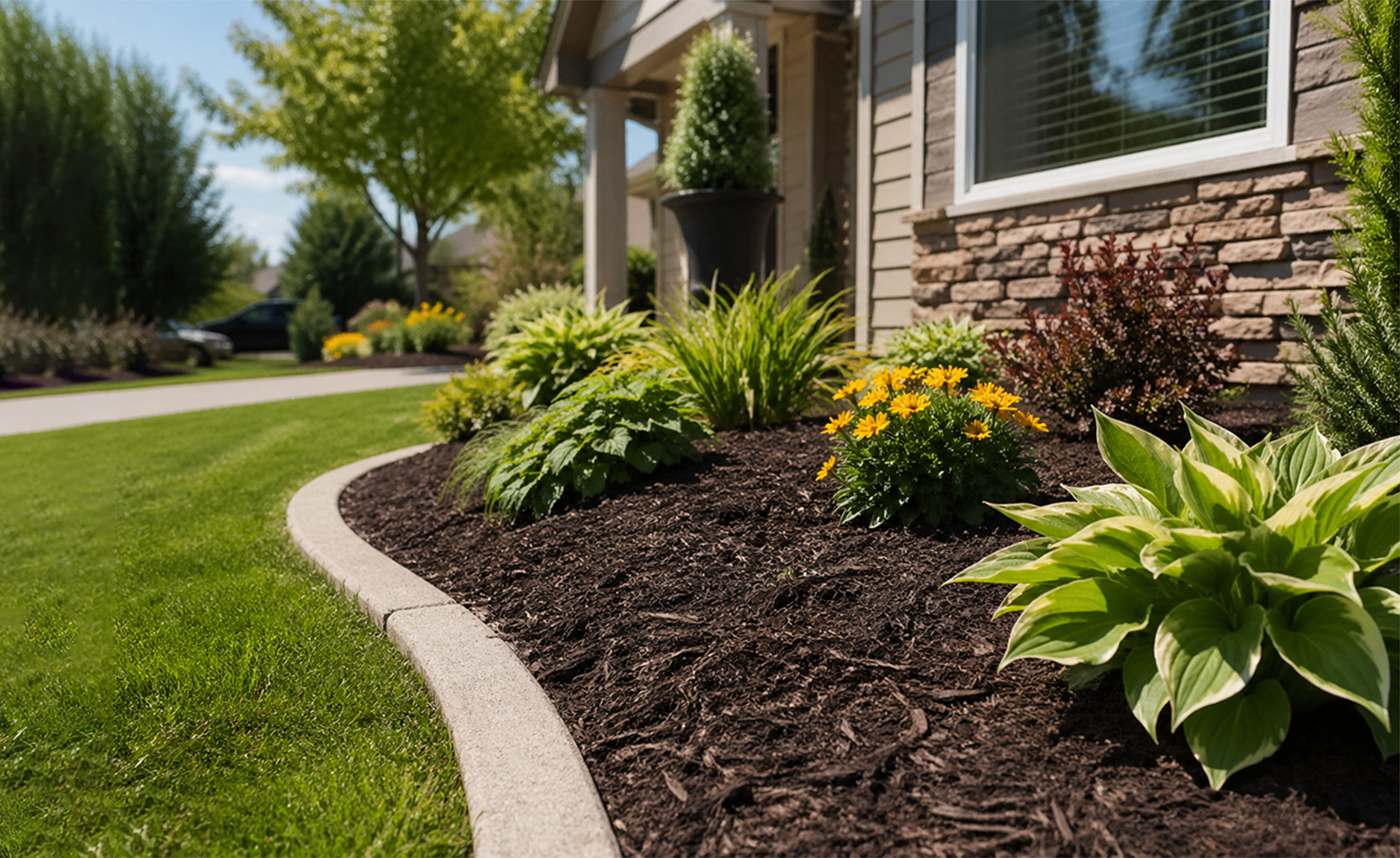
Mulch can make garden beds look cleaner while helping homeowners manage moisture, weeds, soil temperature, and seasonal maintenance. Across the United States, landscape conditions vary widely. A mulch that performs well in a cool, rainy region may behave differently in a hot, dry climate. Plant type, soil condition, property style, local weather, and maintenance preferences should all influence the final choice.

Many homeowners select mulch only by color or price. Appearance matters, but practical performance is equally important. The wrong material may move during heavy rain, dry too quickly, create difficult cleanup, or require frequent replacement. A better approach is to compare several options and choose one that fits the purpose of each landscape area.

Understand What Mulch Should Accomplish

Before buying mulch, homeowners should decide what problem they want to solve.

Some garden beds need better moisture retention. Others need weed reduction, improved appearance, erosion control, or protection from temperature changes.

One mulch material may not be ideal for every section of the property.

A front flower bed may prioritize a neat appearance, while a vegetable garden may benefit from a material that breaks down naturally.

Tree areas may need long-lasting coverage without creating excessive buildup around trunks.

Thoughtful landscape material planning can help homeowners connect mulch selection with the larger design and maintenance needs of the yard.

Compare Shredded Wood Mulch

Shredded wood is commonly used around shrubs, trees, flower beds, and foundation plantings.

It creates a natural appearance and is available in different textures and colors.

Finer material may settle into a dense layer, while larger pieces can allow more airflow.

Wood mulch gradually changes as it is exposed to sunlight, rain, and soil organisms.

Homeowners should expect color fading over time.

Natural aging does not always mean the mulch has stopped working. The lower layer may continue helping with moisture and soil protection even when the surface appearance changes.

Consider Bark Mulch for Decorative Beds

Bark mulch is often selected for its texture and finished appearance.

Larger bark pieces may remain visible longer than finely shredded products.

They can work well around established shrubs and ornamental beds.

Lightweight bark may move during strong wind or heavy rain, especially on slopes.

Homeowners should inspect the area before choosing loose material.

A steep bed near a walkway may need a product that stays in place more effectively.

Bark should be spread evenly rather than piled into deep mounds.

Creative home landscape inspiration can help homeowners compare different textures around paths, patios, entrances, and planted borders.

Use Compost as a Soil-Supporting Cover

Finished compost can be applied around selected plants to add organic material to the soil.

It has a darker, soil-like appearance and usually blends naturally into garden beds.

Compost may not provide the same long-lasting visual layer as bark or wood mulch.

It can break down more quickly and may need seasonal renewal.

Gardeners should use finished material rather than fresh waste.

Compost quality matters because unfinished material may contain recognizable scraps or create uneven conditions.

A thin, appropriate layer can support soil while keeping plant stems clear.

Think Carefully About Colored Mulch

Colored mulch is available in several shades and can create strong contrast around homes and garden beds.

Homeowners should consider how the color works with siding, brick, stone, fencing, and surrounding plants.

Dark colors may create a bold appearance, while natural brown tones often blend into the landscape.

Color can fade with sunlight and weather.

A shade that looks strong when newly installed may become softer later.

Homeowners should also consider whether they want to repeat the same color every season.

Consistent use often creates a more organized appearance than changing shades frequently.

Choose Mulch for Vegetable Gardens

Vegetable gardens have different needs than decorative beds.

Gardeners may use straw, shredded leaves, compost, or other suitable organic materials.

The material should allow water to reach the soil while helping reduce moisture loss.

Mulch should not be pushed directly against vegetable stems.

Thick, wet material around young plants may create unwanted conditions.

Gardeners should also consider how easily the mulch can be moved during planting and seasonal cleanup.

Keeping seasonal garden records can help homeowners compare moisture, weed growth, plant health, and replacement needs from one season to another.

Use Leaves as a Practical Garden Resource

Autumn leaves can become useful mulch when prepared correctly.

Large whole leaves may form dense layers that reduce airflow and water movement.

Shredding leaves can create a more manageable material.

Leaf mulch may work well around shrubs, perennial beds, and selected garden areas.

Homeowners should avoid using diseased leaves when there is concern about carrying plant problems into another season.

Leaves break down naturally and may need to be renewed.

Using available yard material can reduce waste and lower seasonal landscaping costs.

Evaluate Stone and Gravel Mulch

Stone can provide long-lasting coverage and a clean appearance around certain landscapes.

It is often used near modern homes, dry gardens, paths, or areas with limited plant growth.

Unlike organic mulch, stone does not break down and add material to the soil.

It can also become hot in direct sunlight.

Heat may affect nearby plants, especially in already warm climates.

Stone is heavier to install and more difficult to remove if the landscape design changes.

Weeds may still appear when soil and organic debris collect between pieces.

Avoid Excessive Mulch Depth

More mulch does not always produce better results.

An overly deep layer can limit air movement and keep soil too wet.

It may also hide irrigation problems or create unnecessary buildup around plants.

Homeowners should check the existing layer before adding new material.

Fresh mulch can sometimes be applied only where coverage has become thin.

Removing or loosening compacted material may be more useful than adding another full layer.

Depth recommendations vary by material and landscape use.

Keep Mulch Away From Tree Trunks

Piling mulch against a tree trunk is a common landscaping mistake.

Large mulch mounds can hold moisture against bark and hide developing problems.

The base of the trunk should remain visible.

Mulch can extend outward over the root area without touching the trunk directly.

A wide, moderate layer is generally more useful than a narrow, tall pile.

Homeowners should inspect tree areas each season because mulch may shift during rain, cleanup, or maintenance.

Protect Plant Stems and Foundations

Mulch should not cover the base of flowers, shrubs, or vegetables.

A small open area around stems can reduce direct moisture contact.

Homeowners should also avoid placing material where it blocks drainage openings, vents, or maintenance access near the house.

Landscape beds should direct water appropriately rather than trap it against structures.

Mulch can improve appearance, but it should not hide building concerns.

Careful placement supports both plant health and property maintenance.

Match Mulch to Local Weather

Dry climates may benefit from materials that reduce rapid moisture loss.

Rainy regions may require better attention to drainage and excessive moisture.

Windy properties may need heavier mulch that stays in place.

Homes near wildfire-prone areas should follow local landscaping and fire-safety guidance when selecting materials near structures.

Weather should also influence installation timing.

Applying mulch over very dry soil without watering may delay moisture improvement.

Calculate the Amount Before Buying

Homeowners should measure the length and width of each bed before purchasing material.

The planned depth will affect the required quantity.

Buying too little may create uneven coverage.

Buying too much may lead to unnecessary storage or excessive application.

Irregular beds can be divided into smaller sections for easier measurement.

Homeowners should also account for existing mulch that remains useful.

A careful estimate can reduce waste and improve consistency.

Refresh Mulch Without Rebuilding Every Bed

Mulch does not always need complete replacement.

Homeowners can rake or loosen the existing layer to improve appearance.

Thin sections may need additional material.

Areas with excessive buildup may require removal before anything new is added.

Weeds should be addressed before refreshing the surface.

Edges can also be cleaned to create a more finished appearance.

Balanced garden maintenance guidance can help homeowners avoid unnecessary seasonal work while keeping beds attractive.

Mulch selection should support the plants, soil, climate, and design of the property. Wood, bark, compost, leaves, straw, stone, and other materials each offer different benefits. American homeowners can make better choices by considering moisture, weather, maintenance, appearance, and long-term use rather than focusing only on color. The right mulch should make the landscape easier to care for while protecting the health and structure of the garden.

Categories: General

Tags: