How Movement Improves Both Body And Mind?
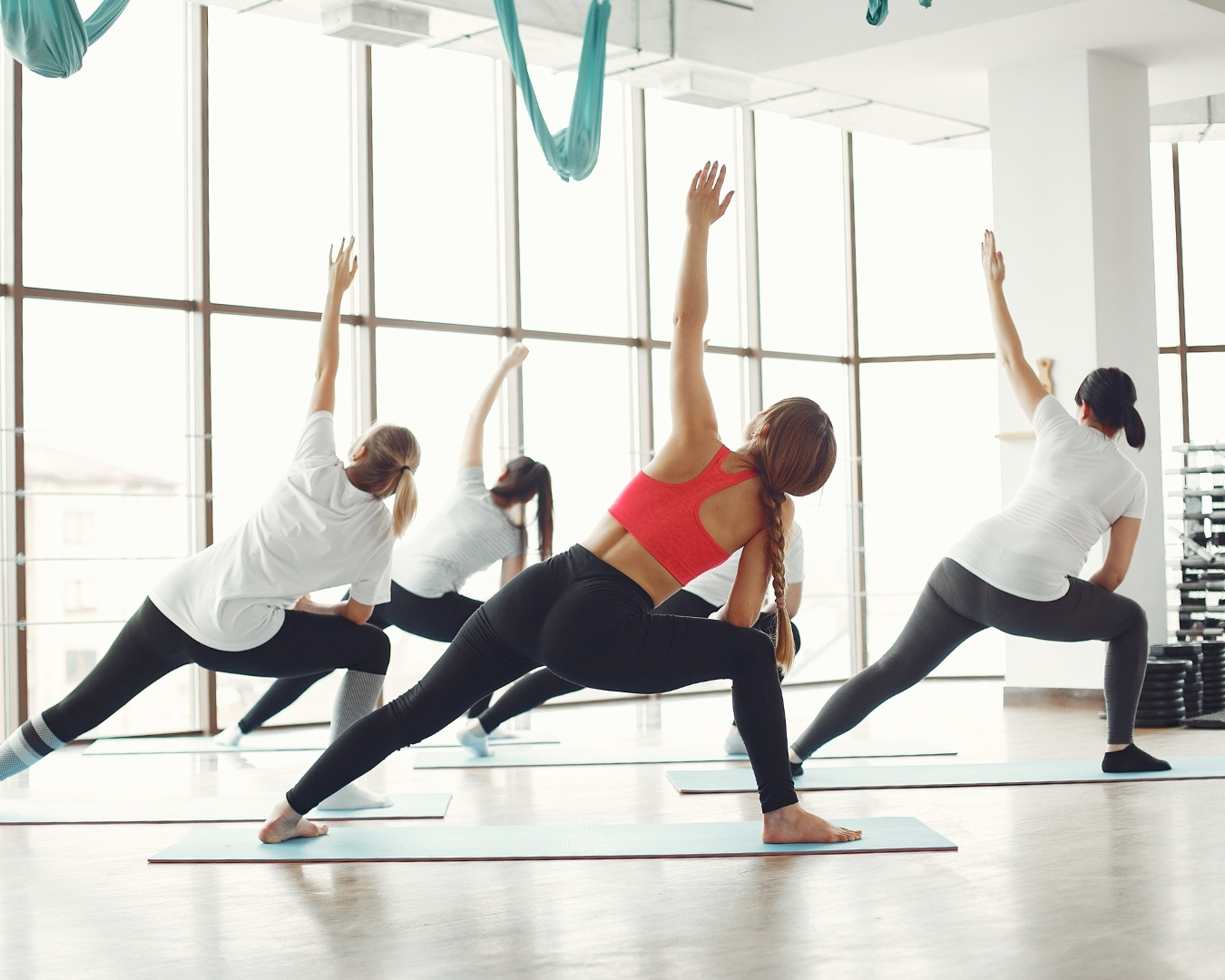
In our increasingly sedentary world, movement has become more important than ever. It’s not just about going to the gym or running marathons—it’s about making intentional choices to keep the body active and the mind engaged. From walking in the park to stretching at your desk, movement impacts nearly every aspect of human health. It sharpens cognitive function, reduces stress, boosts energy, and strengthens the body. More than exercise, movement is a powerful tool for improving both physical and mental well-being.
Movement As An Expression Of Self
Movement is not only physical; it’s also a form of expression. Dancing, yoga, and even posture reflect how we feel and how we present ourselves to the world. Each step or stretch communicates mood and confidence.
This self-expression is much like an attitude girl hidden face with hair photograph—where subtle gestures convey depth, confidence, and individuality. Movement allows us to project our inner state outwardly, creating a connection between how we feel inside and how we are seen by others.
Accessibility And Everyday Opportunities
One of the greatest benefits of movement is its accessibility. You don’t need expensive equipment or hours of free time to incorporate it into daily life. A short walk, a stretch between meetings, or even household chores can provide meaningful benefits.
This accessibility is similar to platforms that make opportunities available to everyone, such as a site, where anyone can share or find resources without barriers. In the same way, movement is open to all—it’s about choosing to use the opportunities already within reach.
Building Communities Through Movement
Movement has the power to bring people together. Group fitness classes, community sports, and walking clubs foster connections that extend beyond physical activity. These shared experiences build relationships, accountability, and motivation.
Writers, educators, and wellness professionals often look for outlets to share ideas, and the phrase write for us highlights this collaborative spirit. Just as guest contributions create shared knowledge, group activities in movement create collective strength and belonging.
Physical Benefits: Strength, Energy, And Longevity
The physical benefits of regular movement are undeniable. It strengthens muscles, supports cardiovascular health, and helps maintain flexibility. Movement also regulates metabolism, aids digestion, and boosts immune function. Long-term, it reduces the risk of chronic diseases such as diabetes, heart disease, and arthritis.
For many, this is similar to managing an investment like a rental property listing Australia. The small, consistent efforts—whether through rent or exercise—add up over time to provide stability, value, and long-term rewards. Daily movement may seem small, but the cumulative effect is transformative.

Mental Health And Stress Relief
Movement also has a profound impact on mental health. Physical activity stimulates the release of endorphins, the brain’s “feel-good” chemicals, which reduce stress and improve mood. It also improves sleep quality and reduces symptoms of anxiety and depression.
This mental uplift can be compared to browsing the best restaurant directory in Australia, where you find exciting, nourishing options that bring comfort and joy. Movement nourishes the brain in the same way, offering experiences that bring balance and satisfaction to daily life.
Movement And Cognitive Performance
Studies consistently show that regular physical activity enhances memory, focus, and creativity. Movement increases blood flow to the brain, delivering oxygen and nutrients that improve cognitive function. Even short bursts of activity, like stretching or walking, can re-energize the brain for more effective work or study.
In fact, some of the greatest innovators and thinkers incorporated walking into their routines to generate fresh ideas. Movement unlocks creativity by shifting perspective and recharging mental energy.
Creating A Routine That Sticks
The key to reaping the benefits of movement lies in consistency. Instead of aiming for perfection, focus on building small, sustainable habits. Walking after meals, stretching before bed, or using stairs instead of elevators are simple changes that add up over time.
Variety also keeps routines engaging. Mixing activities like cycling, swimming, yoga, and strength training ensures all aspects of the body and mind are challenged. Finding what feels enjoyable is the best way to make movement a lifelong practice.
The Holistic Impact Of Movement
Movement connects every part of life—physical health, emotional well-being, and social connection. It creates resilience, improves energy, and fosters a greater sense of purpose. When you move regularly, you don’t just improve fitness—you enrich your life as a whole.
The secret lies in recognizing movement not as an obligation, but as an opportunity to invest in yourself. Just as people turn to directories, listings, and communities to enhance their personal and professional lives, movement enhances every aspect of human experience.
Conclusion
Movement is more than exercise—it’s a lifestyle choice that benefits both body and mind. From boosting strength and mental health to fostering creativity and social connection, the impact is powerful and far-reaching. Like a photograph that captures personality, a trusted listing that creates opportunity, or a directory that points the way, movement guides us toward better living. The more intentionally we embrace it, the more rewarding life becomes.