Why Ignoring Minor Car Issues Can Lead to Major Expenses
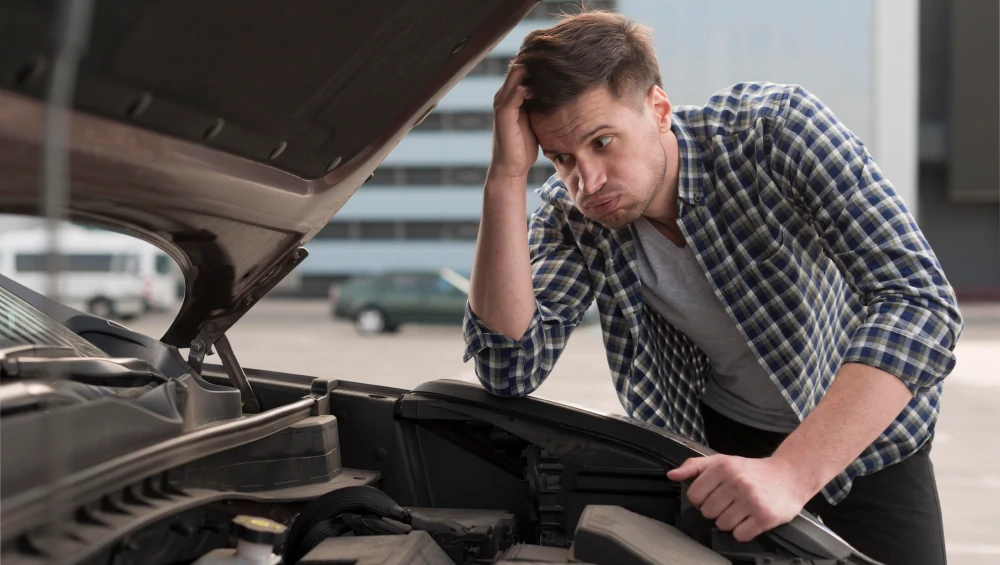
Many drivers postpone small vehicle repairs because the car still seems to run normally. A faint squeak, a warning light, or a slight vibration may not appear urgent, but these seemingly harmless issues often develop into serious mechanical failures over time. Delaying repairs rarely saves money. Instead, it increases the likelihood of more extensive damage, higher repair bills, and unexpected breakdowns.
Understanding why small problems deserve immediate attention can help every vehicle owner protect both their car and their budget.
Small Problems Rarely Stay Small
Vehicles are made up of thousands of interconnected components. When one part begins to fail, it often places additional stress on nearby systems. For example, worn brake pads may eventually damage the brake rotors, turning a relatively affordable repair into a much more expensive one.
Likewise, a minor coolant leak can gradually cause an engine to overheat. What starts as replacing a hose could eventually require extensive engine repairs if the problem is ignored for too long.
Addressing issues early helps prevent a chain reaction of mechanical failures.
Warning Lights Should Never Be Ignored
Modern vehicles are equipped with sophisticated diagnostic systems that alert drivers when something needs attention. Although some warning lights indicate minor concerns, they should never be dismissed without proper inspection.
The check engine light, oil pressure warning, battery indicator, and temperature warning all serve important purposes. Even if the vehicle appears to drive normally, underlying issues may continue to worsen with every mile.
Professional diagnostics allow technicians to identify the exact cause before it develops into a costly repair.
Strange Noises Often Signal Developing Damage
Unusual sounds are one of the earliest indicators that something is wrong. Grinding brakes, knocking engines, whining transmissions, or rattling suspension components usually indicate wear that requires immediate attention.
Many drivers become accustomed to these noises and continue driving, assuming they are harmless. Unfortunately, delaying repairs gives damaged parts more time to deteriorate.
Prompt inspection not only reduces repair costs but also improves driving safety.
Routine Maintenance Prevents Expensive Repairs
One of the best ways to avoid big car costs is to keep up with regular maintenance. Oil changes, fluid inspections, filter replacements, tire rotations, and scheduled servicing all contribute to longer vehicle life.
Fresh engine oil minimizes internal wear, while clean transmission fluid helps maintain smooth gear operation. Replacing worn belts before they fail prevents sudden breakdowns that may leave drivers stranded.
Following the manufacturer’s maintenance schedule keeps every system operating efficiently.
Performance Changes Should Never Be Overlooked
Drivers often notice gradual changes in how their vehicle performs. Reduced fuel efficiency, sluggish acceleration, rough idling, steering vibrations, or increased stopping distance may all indicate developing mechanical issues.
Because these changes occur slowly, many people adapt to them without realizing that their vehicle is becoming less reliable.
Having performance concerns evaluated early allows technicians to correct minor faults before they spread to additional components.
Premium Vehicles Require Specialized Care
Luxury European vehicles feature advanced engineering, precision components, and specialized technologies that require experienced technicians. Delaying maintenance on these vehicles can result in significantly higher repair costs because many systems are closely integrated.
Owners seeking All European | Auto Repair Las Vegas Porsche repair should choose experienced professionals who understand manufacturer specifications and use proper diagnostic equipment. Early servicing helps preserve performance while preventing unnecessary wear on high-value components.
The Financial Cost of Waiting
Ignoring a small repair often creates expenses beyond the repair itself. Unexpected breakdowns may require towing, rental vehicles, missed work, or interrupted travel plans. In some situations, neglected maintenance can even reduce resale value because prospective buyers recognize signs of poor vehicle care.
Repairing a problem when it first appears is almost always less expensive than replacing multiple damaged components later.
Preventive maintenance provides greater financial stability than emergency repairs.
Conclusion
Minor vehicle problems should never be viewed as insignificant. Small warning signs often represent the beginning of larger mechanical issues that become increasingly expensive over time. By responding quickly to unusual noises, warning lights, fluid leaks, or performance changes, drivers can extend the life of their vehicle, improve safety, and avoid major repair bills. Consistent maintenance and timely professional inspections remain the smartest investment for keeping any vehicle dependable for years to come.