Sales Funnel Tips For American Digital Brands
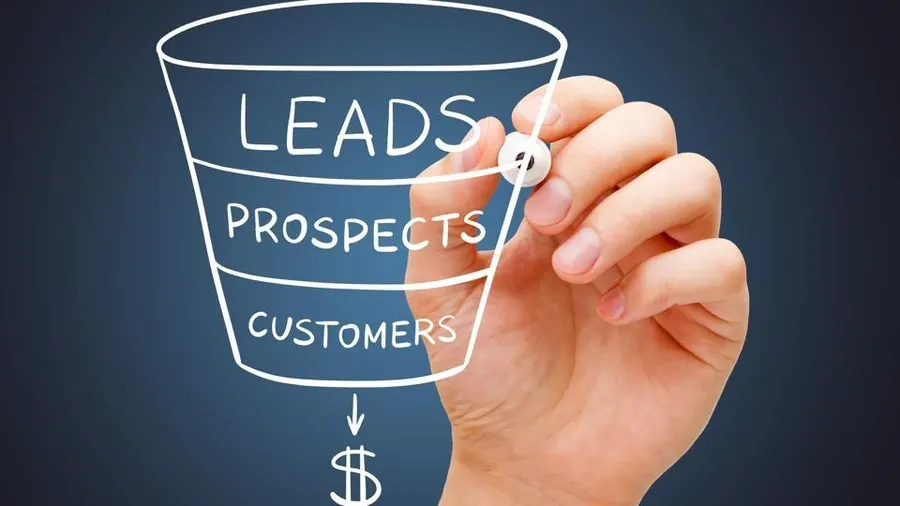
Digital brands often invest heavily in website traffic, social media content, paid advertising, and email campaigns without creating a clear path from first contact to final purchase. Visitors may discover the company, view several products, and leave because they are unsure what to do next. A sales funnel helps organize the customer journey so each stage supports a specific decision.
A useful sales funnel is not designed to pressure every visitor into buying immediately. It gives potential customers the right information at the right time. New visitors may need education, returning visitors may need proof, and interested buyers may need a simple reason to complete the purchase.
American digital brands can study growing companies through Indiana digital business resources while examining how different organizations communicate offers and build awareness among target audiences.
Define the Customer Before Building the Funnel
Every sales funnel should begin with a clear customer profile.
Identify who the company wants to reach, what problem the customer wants solved, and what may prevent a purchase. Consider age, location, budget, interests, business needs, and buying habits when they directly affect the offer.
Avoid creating a broad description such as “people interested in better products.” A focused customer profile provides stronger direction for marketing content.
For example, an online accounting platform serving independent contractors may focus on people who struggle with expense tracking and quarterly tax preparation. That information can guide advertising messages, educational content, product demonstrations, and follow-up emails.
Create Awareness With Useful Content
The first stage of a funnel introduces the brand to potential customers.
Content may include educational articles, short videos, social posts, guides, interviews, comparisons, or answers to common questions. The goal is to attract people who are experiencing a problem connected with the company’s products or services.
Avoid making every awareness message a direct sales advertisement. People who have never interacted with the brand may not be ready to purchase.
Useful content can create familiarity before customers begin comparing providers. It may also help a company become associated with a specific topic or solution.
Build Landing Pages Around One Goal
A landing page should guide visitors toward one clear action.
That action may involve requesting a demonstration, joining an email list, downloading a guide, starting a free trial, scheduling a consultation, or purchasing a product.
Remove unnecessary information that distracts visitors. A page promoting one service does not need to explain every company department.
Use a clear headline, practical benefits, supporting details, customer evidence, and a visible next step. Brands reviewing Illinois digital marketing activity may find useful examples of how companies present focused offers to different business audiences.
Offer Value Before Requesting a Major Commitment
Many customers are unwilling to make a large purchase during their first interaction.
A smaller step can help the company build trust. Free educational resources, product samples, short consultations, demonstrations, trials, or introductory services may reduce uncertainty.
The offer should connect directly with the final product. A digital marketing company may provide a website checklist rather than an unrelated giveaway.
Avoid creating free offers that attract people with no interest in becoming customers. Large subscriber numbers have limited value when the audience does not match the business.
Use Email to Continue the Conversation
Email allows digital brands to communicate after a visitor leaves the website.
Create a short sequence that introduces the company, explains the customer problem, provides useful advice, and presents the offer naturally.
Do not send several sales messages immediately after someone joins a list. Start by delivering the information that was promised.
Later emails may include customer examples, frequently asked questions, product explanations, and purchase opportunities.
Keep messages focused. One email with a clear purpose is easier to understand than a long message containing several unrelated promotions.
Explain Benefits Instead of Listing Features
Product features describe what something includes. Benefits explain why those features matter.
A scheduling platform may provide automated reminders. The customer benefit is fewer missed appointments and less time spent contacting clients manually.
Digital brands should connect every major feature with a practical result.
Avoid making unsupported promises. Clear and realistic benefits create stronger trust than exaggerated claims.
Companies following Ohio online business updates may observe how organizations introduce services, explain company developments, and communicate value to business audiences.
Use Customer Evidence Carefully
Potential buyers often want proof before making a decision.
Customer reviews, testimonials, case studies, product demonstrations, and measurable results may reduce uncertainty.
Evidence should be specific when possible. A statement explaining how a service improved response times may be more useful than a general comment saying the company is excellent.
Obtain permission before publishing customer names, photographs, business details, or private results.
Avoid creating fake testimonials or presenting unusual results as normal outcomes. Honest evidence supports long-term trust.
Reduce Friction During the Buying Stage
Customers who reach the final stage should not face unnecessary obstacles.
Review checkout pages, contact forms, account creation requirements, payment options, and purchasing instructions.
Long forms may discourage customers. Request only the information needed to complete the transaction or provide the service.
Show important costs before the final step. Unexpected fees can create abandoned purchases and reduce trust.
Explain delivery times, subscription terms, cancellation rules, and refund policies clearly.
Follow Up With Interested Customers
Some customers need additional time before making a purchase.
Follow-up messages can answer questions, explain value, or remind customers about an unfinished action.
Avoid sending constant messages or creating false urgency. Repeated pressure may encourage potential buyers to unsubscribe.
A customer who requested a consultation may appreciate a practical reminder. Someone who viewed a product may benefit from information about sizing, compatibility, delivery, or customer support.
Personalize communication when useful, but avoid using customer information in ways that feel intrusive.
Improve Retention After the Sale
A sales funnel should not end immediately after payment.
Existing customers may purchase again, renew subscriptions, recommend the brand, or provide useful feedback.
Create helpful onboarding information. Explain how to use the product, access support, complete setup, or receive the strongest value.
Send relevant updates without overwhelming customers. Educational content, product guidance, account reminders, and related recommendations can support long-term relationships.
Regional business platforms such as Missouri digital company reports may provide ideas about how organizations maintain visibility through continued communication.
Measure Every Funnel Stage
Traffic alone does not explain funnel performance.
Track how many visitors take the desired action at each stage. Measurements may include email subscriptions, guide downloads, trial registrations, consultation requests, completed purchases, renewals, and repeat orders.
Look for stages where large numbers of potential customers leave.
A low landing page response may indicate unclear messaging. Frequent checkout abandonment may point to unexpected costs or a complicated buying process.
Change one major element at a time when testing improvements. Multiple changes can make it difficult to understand what affected performance.
Keep the Funnel Simple
Complicated funnels are not automatically more effective.
A small digital brand may only need useful content, a focused landing page, a short email sequence, and a clear purchase process.
Extra software and complicated automation can create additional costs without improving customer experiences.
Begin with the customer journey and add tools only when they solve a real problem.
Each stage should answer a customer question or support a clear decision. Remove steps that exist only because competitors use them.
Conclusion
An effective sales funnel guides customers without making the buying experience feel forced. Digital brands should understand their audience, create useful awareness content, provide focused landing pages, and offer clear information throughout the decision process.
Strong funnels are built around customer needs rather than complicated marketing systems. Every page, message, and offer should help potential buyers understand the problem, evaluate the solution, and choose an appropriate next step.
Brands should continue measuring customer behavior after launching a funnel. Small improvements to messaging, forms, follow-up communication, and purchasing steps may create meaningful results over time.
The strongest sales funnel is not the longest one. It is the path that removes confusion, builds trust, and helps the right customers make confident decisions.