Lunch Box Ideas For American School Kids
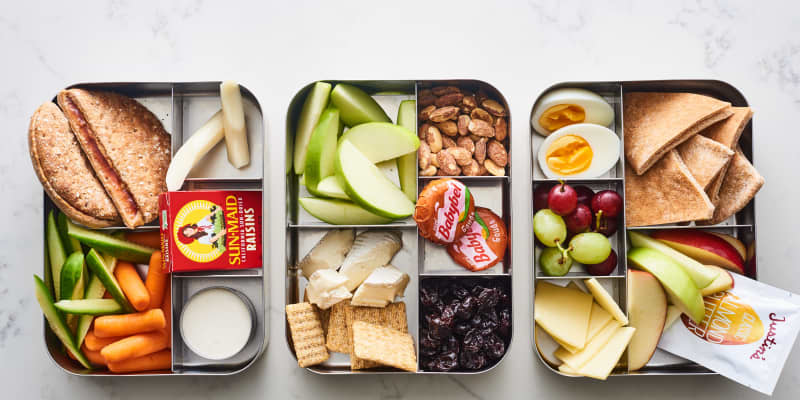
Packing school lunches every weekday can become repetitive for both parents and children. Many American families start the school year with organized meal plans, but after several weeks, lunch boxes may return to the same sandwich, packaged snack, and piece of fruit. Children can lose interest, while parents struggle to find options that are affordable, nutritious, and quick to prepare.
A useful lunch routine does not require complicated recipes or expensive specialty foods. Variety can come from changing shapes, flavors, combinations, and presentation. Families can build a dependable collection of lunch ideas by using familiar ingredients in different ways.
Build Lunches Around Simple Food Groups
A balanced school lunch can include several basic parts:
- A main food
- Fruit or vegetables
- A small snack
- A drink
- An optional treat
The main item may provide protein and carbohydrates, while fruit and vegetables add color and variety.
Parents can create a weekly lunch schedule instead of making decisions every morning. An AI writing tool for organizing family meal ideas may help create reusable menus, grocery reminders, and lunch preparation notes.
Keep the structure flexible. Children do not need identical portions because age, activity level, appetite, and school schedules differ.
Turkey and Cheese Pinwheels
Pinwheels create a different experience from ordinary sandwiches.
Place turkey, cheese, and lettuce inside a soft tortilla. Add a small amount of cream cheese or another spread.
Roll tightly and cut into several pieces.
Keep the lunch chilled with an ice pack.
Parents can change the ingredients by using chicken, vegetables, hummus, or different cheeses.
Small pieces are often easier for younger children to handle.
Homemade Mini Lunch Boxes
Create a homemade version of a snack-style lunch.
Use a divided container with:
- Whole-grain crackers
- Cheese cubes
- Sliced turkey
- Grapes
- Cucumber pieces
Children can build their own cracker combinations.
This type of meal may feel more interactive than a regular sandwich.
Change one or two ingredients each week to prevent repetition.
Pasta Salad Cups
Cold pasta can become a filling school lunch.
Mix cooked pasta with:
- Chopped vegetables
- Cheese cubes
- Chicken
- Olive oil
- Mild dressing
Keep ingredients simple when children prefer familiar flavors.
Use short pasta shapes that are easy to eat.
Prepare several portions during weekend meal preparation.
Chicken Quesadilla Slices
Quesadillas can be prepared the night before.
Add cheese and cooked chicken to a tortilla.
Cook until lightly browned.
Allow it to cool before packing.
Cut into small triangles.
Serve with salsa in a secure container when the school allows it.
Cold quesadillas can still taste good, making them useful for lunch boxes without reheating access.
Peanut-Free Sandwich Alternatives
Many schools limit peanut products because of allergies.
Families can use alternatives such as:
Sunflower seed butter
Cream cheese and fruit
Turkey and cheese
Hummus and vegetables
Chicken salad
Egg salad
Always review school food rules.
Avoid assuming that every classroom follows the same policy.
Breakfast for Lunch
Breakfast foods can create variety.
Possible lunch ideas include:
Mini pancakes
Waffles
Hard-boiled eggs
Fruit
Yogurt
Breakfast muffins
Pack syrup or yogurt dip in a small leak-resistant container.
Children may enjoy a breakfast-style meal because it feels different from regular lunch food.
Lifestyle publications featuring family food and everyday home ideas may also inspire new combinations for busy school weeks.
Homemade Pizza Bites
Use small flatbreads, English muffins, or mini bagels.
Add tomato sauce, cheese, and preferred toppings.
Bake until the cheese melts.
Allow the food to cool before packing.
Pizza bites may be eaten cold or at room temperature according to safe storage practices.
Add fruit and vegetables to complete the meal.
Chicken and Rice Cups
Cooked chicken and rice can become a simple lunch.
Add peas, corn, or mild seasoning.
Pack the mixture inside a temperature-controlled food container when serving warm.
Follow the container instructions carefully.
Preheat insulated food jars with hot water when recommended.
Fruit and Yogurt Lunch
Some children prefer lighter meals.
Pack:
Yogurt
Fresh fruit
Granola
A whole-grain muffin
Cheese
Keep yogurt chilled.
Store granola separately until eating time.
Use fruits that travel well, such as berries, grapes, apples, or melon.
Create a Weekly Lunch Rotation
A rotation reduces planning pressure.
For example:
Monday: turkey pinwheels
Tuesday: pasta salad
Wednesday: homemade snack box
Thursday: quesadilla slices
Friday: pizza bites
Change the menu the following week.
Families can keep several favorite meals in regular rotation.
Let Children Choose From Approved Options
Children may be more interested in meals they helped select.
Parents can provide choices rather than asking open-ended questions.
For example:
“Would you like turkey pinwheels or pasta tomorrow?”
“Would you like apples or grapes?”
This gives children control without making planning difficult.
Older children can help pack lunches.
Prepare Ingredients in Advance
Weekend preparation may include:
Washing fruit
Cutting vegetables
Baking muffins
Cooking pasta
Portioning crackers
Preparing hard-boiled eggs
Avoid preparing more food than the family can use safely.
Store ingredients correctly.
Label containers when necessary.
Use Leftovers Carefully
Some dinner leftovers can become school lunches.
Examples include:
Grilled chicken
Pasta
Rice
Vegetables
Pizza
Soup
Plan leftovers before serving dinner.
Set aside a lunch portion in a clean container rather than waiting until the meal ends.
This protects the portion and saves time.
Keep Food at Safe Temperatures
Lunch boxes may remain outside refrigeration for several hours.
Use insulated bags and cold packs for perishable foods.
Warm foods may require insulated containers.
Teach children to close containers securely.
Discard food that has remained unsafe for too long.
Food safety should be part of every lunch routine.
Choose Practical Containers
Good containers should be:
Easy to open
Leak-resistant
Durable
Simple to clean
Suitable for the child’s age
Test containers at home before sending them to school.
A lid that is difficult for an adult may be frustrating for a young child.
Avoid packing too many separate containers when lunch periods are short.
Organize a Lunch Preparation Area
Create one pantry basket for school lunch foods.
Possible items include:
Crackers
Snack bars
Dried fruit
Reusable bags
Napkins
Small containers
Create a refrigerator area for cheese, fruit, yogurt, and prepared items.
Families seeking better storage arrangements may explore home kitchen and organization ideas for practical inspiration.
Add Color Without Complicated Recipes
Colorful lunches often look more appealing.
Use:
Strawberries
Blueberries
Carrots
Cucumbers
Bell peppers
Grapes
Cheese
Different colors create variety even when ingredients remain simple.
Avoid forcing children to eat unfamiliar foods without gradual introduction.
Limit Excessive Packaging
Individually packaged foods save time but may cost more.
Families can buy larger packages and divide portions into reusable containers.
This may reduce waste and lower grocery costs.
Keep convenience products for especially busy days.
A balanced routine can include both homemade and packaged foods.
Consider School Lunch Time
Some schools provide limited time for eating.
Avoid meals that require complicated assembly.
Pack easy-to-open containers.
Cut food into manageable pieces.
Choose items that children can eat without extensive preparation.
Ask children whether they have enough time to finish.
Adjust portion sizes when needed.
Keep Lunch Boxes Clean
Empty lunch bags every day.
Wash containers.
Clean spills.
Allow lunch boxes to dry before closing.
Check reusable bottles regularly.
Food residue can create unpleasant odors.
A consistent cleaning routine protects food quality.
Teach Basic Lunch Safety
Children should understand simple rules.
They should avoid sharing food when allergy policies prohibit it.
They should keep food containers clean.
They should tell an adult when a container breaks or spills.
School environments can involve unexpected incidents, and families may find local accident and injury information useful when researching general support resources.
Keep the Routine Realistic
Parents do not need to create decorative lunches every day.
A simple turkey sandwich, fruit, yogurt, and crackers can be a useful meal.
Presentation may change occasionally, but daily perfection is unnecessary.
The strongest lunch system is one families can repeat.
Variety, safe storage, practical containers, and child participation can make school lunches more enjoyable.
American families can reduce morning stress by planning several dependable options, preparing ingredients in advance, and keeping lunch supplies organized.