Hybrid Car Benefits For American Daily Commuters
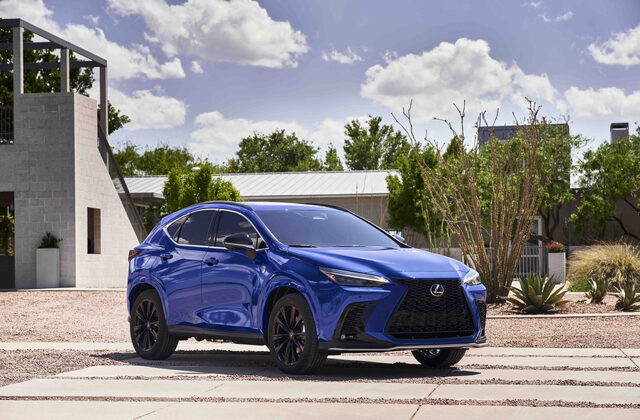
Hybrid vehicles have become a practical choice for American commuters who want better fuel efficiency without depending entirely on public charging. By combining a gasoline engine with electric assistance, hybrid cars can reduce fuel use during city traffic, frequent stops, and everyday travel.
Daily commuters often compare vehicle payments and gasoline costs, but transportation decisions also affect the wider household budget. Savings at the fuel pump may support other priorities, including maintenance, utilities, and home insurance planning.
Not every hybrid works the same way. Some models charge their batteries automatically while driving, while plug-in hybrids can also receive electricity from an external charger. Understanding these differences helps Drivers choose a vehicle that matches their routine.
Lower Fuel Use During Regular Commuting
Fuel efficiency is one of the main reasons drivers consider hybrid vehicles.
The electric motor can assist the gasoline engine during acceleration and low-speed driving.
In many models, the engine may turn off temporarily when the vehicle stops.
This can reduce unnecessary fuel use during traffic delays and repeated city stops.
Drivers with mixed highway and urban routes may notice different results.
Some hybrids perform especially well in city driving because frequent braking creates opportunities to recover energy.
Highway efficiency depends on vehicle design, speed, weather, and driving behavior.
Compare official estimates with realistic commuting conditions.
Regenerative Braking Supports Efficiency
Hybrid vehicles commonly use regenerative braking.
The system captures part of the energy created while slowing and stores it in the battery.
This energy can later support vehicle movement.
Drivers may notice a different braking feel compared with traditional gasoline vehicles.
Some models provide displays showing when energy is recovered.
Smooth, gradual braking may help the system operate effectively.
However, regenerative braking does not replace the regular brake system.
Brake pads, rotors, fluid, and related components still require inspection.
Drivers should follow the maintenance schedule for the specific vehicle.
Less Dependence on Public Charging
Traditional hybrids generally charge their batteries while driving.
Owners do not need to connect them to a public or home charger.
This can be convenient for apartment residents, renters, and drivers without dedicated parking.
People considering housing and transportation together may find useful planning ideas through first-home ownership resources.
A standard hybrid can provide improved fuel economy while keeping familiar refueling habits.
Drivers continue using gasoline stations as needed.
Plug-in hybrids work differently.
They can travel a limited distance using stored electricity before relying more heavily on the gasoline engine.
Buyers should understand which type they are considering.
Reduced Fuel Spending Over Time
Lower fuel use may reduce monthly transportation expenses.
The size of the savings depends on annual mileage, fuel prices, driving conditions, and the efficiency of the previous vehicle.
Drivers with long commutes may benefit more than people who travel only a few miles each week.
Calculate expected costs before purchasing.
Compare realistic fuel use rather than only advertised maximum efficiency.
Include the vehicle price, insurance, maintenance, taxes, and financing.
A hybrid with a higher purchase price may require several years of fuel savings before creating a financial advantage.
Every household should complete its own comparison.
Quiet Low-Speed Driving
Many hybrids operate quietly at low speeds when the electric motor provides movement.
This can create a smoother and calmer driving experience.
Drivers may notice less engine noise in parking areas and slow traffic.
Pedestrians may have difficulty hearing quiet vehicles.
Modern hybrids may use warning sounds at low speeds.
Drivers should still remain alert around crosswalks, schools, shopping areas, and residential streets.
Do not assume pedestrians or cyclists have noticed the vehicle.
Use careful observation before moving.
Fewer Visits to Gas Stations
Improved efficiency may increase the distance between fuel stops.
This can save time during busy workweeks.
Drivers with long commutes may appreciate visiting gas stations less frequently.
However, fuel economy changes with temperature, speed, traffic, and climate-control use.
Avoid expecting the same range during every season.
Keep enough fuel available for unexpected delays.
Do not repeatedly drive until the tank becomes nearly empty.
Regular refueling supports more flexible travel.
Familiar Driving Experience
Most hybrids operate similarly to traditional automatic vehicles.
Drivers generally do not need special training.
Starting, steering, parking, and highway travel remain familiar.
The vehicle manages much of the transition between gasoline and electric power automatically.
Some displays provide efficiency feedback.
Drivers can learn how acceleration, braking, and speed affect energy use.
Avoid focusing on dashboard graphics while moving.
Safety and road awareness remain more important than maximizing every efficiency score.
Potentially Lower Brake Wear
Regenerative braking may reduce how often traditional brakes handle normal slowing.
This can extend brake component life in some driving conditions.
Actual wear depends on vehicle design, driving style, climate, and route.
Drivers in areas with road salt or limited brake use should still schedule inspections.
Components can develop corrosion even when friction material remains thick.
Do not assume hybrid brakes require no maintenance.
Follow official service recommendations.
Useful Technology Features
Many hybrid vehicles include energy displays, driver-assistance systems, smartphone connectivity, and efficiency tools.
Some models provide information about electric operation, fuel use, and battery charging.
Use these features to understand patterns.
Avoid making abrupt driving decisions only to increase an efficiency score.
Technology should support safe habits rather than create distraction.
Compare standard and optional equipment before buying.
Higher trim levels may increase cost without adding features that every commuter needs.
Consider Battery Warranty Coverage
Hybrid batteries are designed for long service, but buyers should review warranty details.
Coverage can differ by manufacturer, model, year, and location.
Understand time and mileage limits.
Ask whether coverage transfers to a future owner.
Used hybrid buyers should review battery condition and maintenance history.
A battery warning light or reduced performance requires proper diagnosis.
Do not rely only on the vehicle’s age.
Driving conditions and system design also matter.
Owners planning garage storage and regular maintenance may find practical ideas through home organization and ownership guidance.
Compare Insurance Costs
Insurance pricing can vary between vehicles.
Obtain quotes before completing a purchase.
Safety features, repair costs, vehicle value, location, and driver history may affect premiums.
A hybrid is not automatically cheaper or more expensive to insure.
Compare similar coverage limits and deductibles.
Include insurance in the complete ownership budget.
Do not focus only on fuel savings.
A strong financial decision considers every major expense.
Understand Maintenance Requirements
Hybrids still require regular maintenance.
Engine oil, tires, filters, fluids, suspension components, cooling systems, and other parts need attention.
Service intervals may differ from traditional vehicles.
High-voltage systems require proper training and equipment.
Complex electrical repairs should be completed by qualified technicians.
Ask whether nearby repair facilities have experience with the model.
Keep maintenance records.
Follow manufacturer guidance instead of assuming every hybrid has identical needs.
Consider Environmental Benefits
Using less gasoline may reduce fuel consumption and certain vehicle emissions.
The exact environmental effect depends on driving distance, vehicle efficiency, electricity sources for plug-in models, manufacturing, and long-term use.
Drivers should avoid treating every hybrid as equally efficient.
Vehicle size matters.
A smaller hybrid may use less fuel than a large hybrid SUV.
Choose a vehicle that fits actual transportation needs.
Reducing unnecessary weight and avoiding aggressive driving can also improve efficiency.
Evaluate Cargo and Passenger Space
Hybrid components may affect interior or cargo design.
Modern models often integrate batteries efficiently, but space can differ.
Inspect the rear seating area.
Check trunk depth and cargo-floor height.
Bring frequently carried items when possible.
Families should test child-seat installation.
Commuters carrying work equipment should confirm practical storage.
Do not assume two vehicles with similar exterior dimensions provide equal interior space.
A comfortable vehicle supports daily use more effectively.
Review Resale Considerations
Fuel prices and consumer interest may influence future hybrid demand.
A strong maintenance history can support resale value.
Keep service documents.
Protect the interior and exterior.
Address warning lights promptly.
Battery warranty information may also matter to future buyers.
Resale value cannot be guaranteed.
Choose a vehicle that fits current needs rather than depending entirely on future market predictions.
Drivers can follow home and transportation lifestyle updates while considering how changing household priorities affect vehicle choices.
Choose the Right Hybrid Type
Standard hybrids may suit drivers who want improved efficiency without charging.
Plug-in hybrids may work well for commuters who can charge regularly and complete many shorter trips.
Mild hybrids provide limited electrical assistance and may offer smaller efficiency improvements.
Compare how each system works.
Review electric range, fuel economy, charging requirements, price, maintenance, and available incentives.
Avoid choosing a vehicle based only on the hybrid label.
American daily commuters can benefit from lower fuel use, familiar driving, and reduced reliance on gasoline. The strongest results come from selecting a hybrid that matches the route, budget, passenger needs, and long-term ownership plans.