What Contractors Should Look for When Selecting a Construction Equipment Supplier?
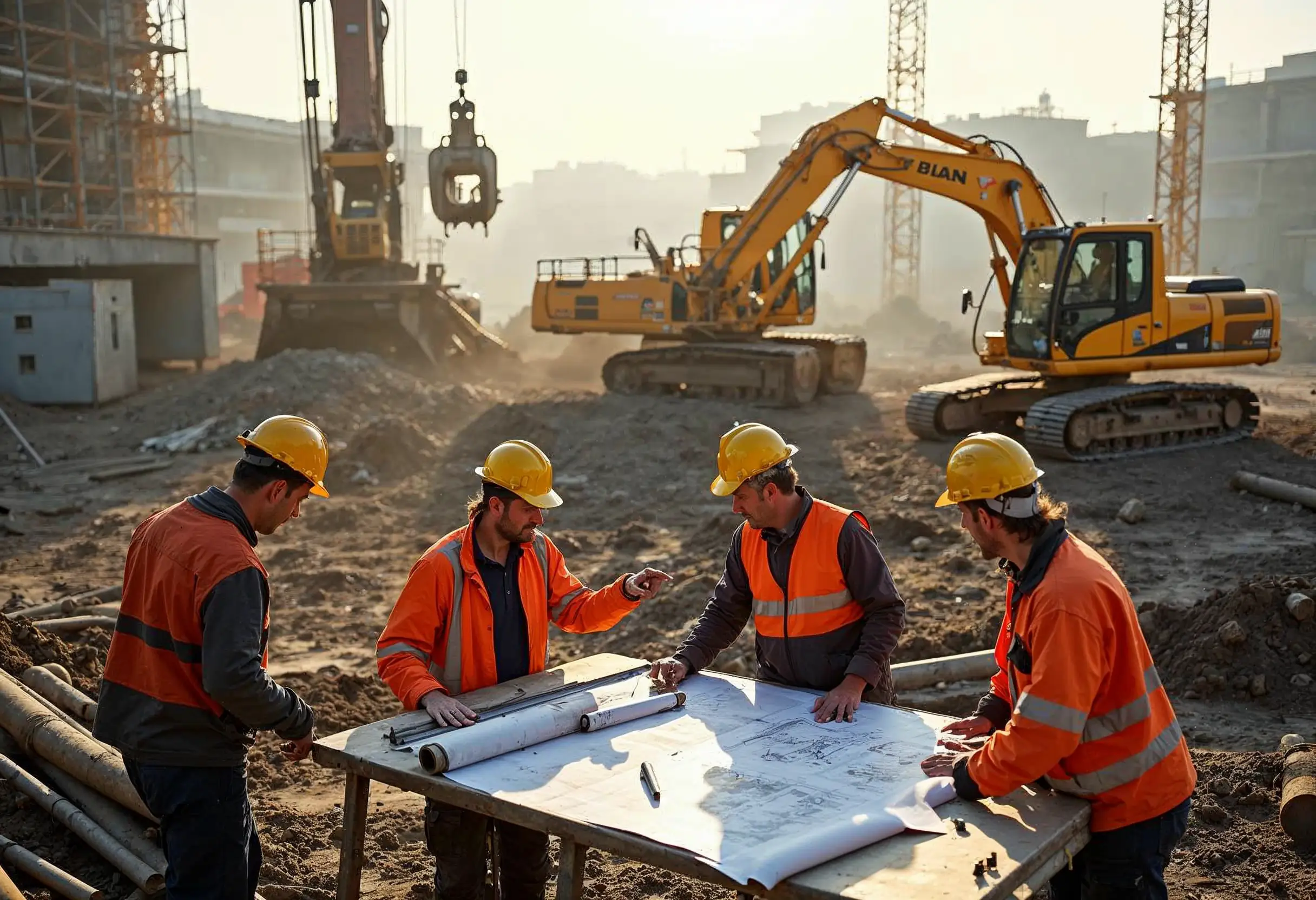
Construction projects depend on reliable machinery, skilled operators, and careful planning. Whether contractors are preparing land, excavating foundations, or managing large commercial developments, Having access to suitable equipment can significantly influence project efficiency. However, finding the right machinery involves more than comparing prices and technical specifications. The supplier behind the equipment plays an equally important role in ensuring smooth operations, timely maintenance, and long-term productivity.
Choosing a dependable construction equipment supplier requires contractors to evaluate several factors, including equipment quality, product availability, technical support, and overall service reliability. Understanding these considerations can help construction businesses make informed purchasing decisions and avoid unnecessary operational challenges.
Wide Selection of Construction Equipment
Different kinds of equipment are needed for different building tasks. Excavators are commonly used for digging and earthmoving, while wheel loaders help transport materials around construction sites. Backhoes, compact track loaders, and skid steer loaders all carry out crucial duties in a variety of construction settings.
A reliable supplier should offer a diverse equipment selection that accommodates different project requirements. Contractors benefit from working with suppliers that provide machinery suitable for both small construction operations and demanding commercial applications.
Having multiple equipment options available also allows contractors to compare machine sizes, operating capacities, and attachments before making purchasing decisions.
Equipment Quality and Manufacturer Reputation
Construction machinery operates under demanding conditions, making durability an essential purchasing consideration. Equipment that experiences frequent mechanical failures can interrupt operations, increase repair expenses, and create unexpected project delays.
Contractors should evaluate the manufacturers represented by a supplier and examine the reliability of their equipment. Established manufacturers often provide detailed specifications, maintenance recommendations, and replacement parts support.
It is equally important to consider machine performance under actual working conditions. Engine efficiency, hydraulic capabilities, structural strength, and operator comfort can influence productivity throughout the equipment’s working life.
Availability of New and Used Equipment
Construction businesses have different financial requirements depending on their size, workload, and project schedules. Some contractors prefer purchasing new machinery with updated technology, while others consider used equipment to manage initial investment costs.
A dependable construction equipment supplier should ideally provide options that accommodate different budgets and operational needs.
When purchasing used machinery, contractors should examine maintenance records, operating hours, mechanical condition, and previous applications. Equipment inspections can reveal potential concerns that may affect future performance.
New equipment, meanwhile, may offer improved fuel efficiency, updated safety features, and manufacturer warranty coverage.
Reliable Maintenance and Repair Services
Purchasing construction equipment represents a significant investment, but maintaining that equipment is equally important. Regular servicing helps prevent mechanical failures and supports consistent performance during demanding operations.
Contractors should investigate whether a supplier provides qualified technicians, scheduled maintenance, diagnostic services, and equipment repairs.
Access to dependable maintenance support can reduce downtime when machinery develops problems. Suppliers that understand construction equipment requirements may also recommend preventive maintenance schedules based on machine usage and operating conditions.
Replacement Parts and Attachment Availability
Even well-maintained construction equipment eventually requires replacement components. Hydraulic hoses, filters, belts, undercarriage parts, and other components experience wear through regular operation.
Contractors should determine whether a supplier maintains an accessible inventory of commonly required replacement parts. Delays in obtaining essential components can leave valuable machinery unavailable during critical construction activities.
Attachment availability is another important consideration. Buckets, hydraulic breakers, grapples, and specialized tools can expand machine capabilities without requiring additional equipment purchases.
A supplier offering compatible attachments helps contractors adapt machinery to changing project demands.
Transparent Pricing and Financing Options
Equipment purchasing decisions should consider more than the initial selling price. Contractors must account for transportation, maintenance, fuel consumption, insurance, financing, and potential repair expenses.
A trustworthy supplier should provide clear pricing information and explain additional costs associated with equipment ownership.
Financing options may also help contractors acquire necessary machinery while preserving working capital. Comparing payment terms, interest rates, warranty coverage, and service agreements allows businesses to evaluate the complete financial commitment.
Customer Support and Industry Experience
Construction equipment suppliers should understand the practical challenges contractors encounter on active job sites. Experienced representatives can help businesses identify appropriate machinery based on project requirements, operating environments, and anticipated workloads.
Responsive customer support becomes particularly valuable when contractors need technical guidance, replacement components, or urgent equipment assistance.
Contractors should also evaluate supplier communication, service responsiveness, and customer feedback before establishing a business relationship.
Conclusion
Selecting the right construction equipment supplier involves balancing machinery quality, equipment availability, maintenance support, and overall purchasing costs. Contractors who carefully evaluate these factors can make better equipment investments and reduce operational disruptions.
A dependable supplier offers more than construction machinery. It provides technical knowledge, ongoing service, and practical solutions that support changing project requirements. Building a strong supplier relationship can ultimately help contractors improve productivity, manage equipment expenses, and maintain reliable performance across construction projects.