Author: Susan

How To Track, Restock, And Manage Your Diabetic Supplies Efficiently?

Living with diabetes involves a continuous cycle of testing, medication, and care — all of which depend on having the right supplies available at the right time. Running out of essentials like test strips or insulin can cause unnecessary stress and even health risks. Effective supply management, replenishment, and tracking are essential to preventing such circumstances. By creating a consistent system that fits your lifestyle, you can save time, reduce waste, and ensure smoother diabetes management every day. More Cash For Test Strips gives people an organized way to manage excess inventory from their diabetic supplies while maintaining a streamlined and efficient restocking routine.

Keep A Detailed Inventory

Start by creating a complete list of your diabetic supplies. This should include test strips, lancets, insulin or oral medications, alcohol wipes, pen needles, glucose tablets, and any backup devices. Write down how many of each item you currently have and note their expiration dates.

A simple spreadsheet, mobile app, or even a labeled notebook can help you track usage. Record when you open a new box or bottle and estimate how long it typically lasts. This data gives you a clear picture of when you’ll need to reorder, preventing last-minute shortages.

Use A Labeling System

To make tracking easier, label each item or container with the date you opened it and its expiration date. Color-coded labels work particularly well: green for newly opened items, yellow for those nearing expiration, and red for supplies that should be replaced soon.

Organizing in this way helps you identify which products to use first and ensures that nothing goes past its usable date. It also minimizes clutter and confusion, especially if multiple people help manage your care.

Establish A Restocking Routine

Consistency is crucial when it comes to restocking. Set reminders on your phone or calendar to check supply levels weekly or biweekly. Many pharmacies and online medical suppliers offer auto-refill services that deliver supplies on a set schedule, saving you both time and effort.

If you prefer manual restocking, maintain a “minimum quantity” rule. For instance, if you’re down to two boxes of test strips or one vial of insulin, it’s time to reorder. Keeping a one-month backup supply is ideal for emergencies or unexpected delays in shipment.

Monitor Storage Conditions

Proper storage ensures that your supplies stay effective until their expiration date. Test strips, insulin, and sensors are all sensitive to temperature and humidity. Store them in a cool, dry place away from direct sunlight or heat. Avoid storing items in bathrooms or cars, where temperature fluctuations are common.

If you live in a region with extreme weather, invest in insulated storage cases or temperature-controlled containers. Protecting your supplies extends their shelf life and helps you get accurate readings every time.

Digitize Your Tracking System

Technology can make managing your diabetic supplies more efficient. Many diabetes apps now include inventory tracking features. These allow you to log supplies, set automatic reminders for restocking, and even integrate with your glucose meter data.

The note or reminder app on your phone may also be useful for people who would like to use a more straightforward approach. The goal is to create an easy system that keeps you informed without adding extra hassle.

Keep Emergency Backups Ready

Unexpected events — like travel delays, misplaced items, or shipping errors — can disrupt your supply chain. Always maintain a small emergency kit that includes test strips, insulin, a glucose meter, and snacks for low blood sugar. Keep it stored separately from your daily-use items, preferably in a labeled pouch or travel case.

Additionally, store backup batteries for your glucose meter and a copy of your prescriptions in your kit. This ensures you’re ready for any situation.

Regularly Dispose Of Expired Or Unused Items

Expired diabetic supplies can be unreliable or unsafe to use. Schedule a monthly review to remove outdated items. Use a sharps container for used lancets and needles, and check with your local pharmacy for proper disposal options.

During this process, you might also come across unused test strips that are still within their expiration date. These can often be redirected responsibly rather than left to expire.

Final Thoughts

Efficient management of diabetic supplies combines organization, awareness, and a bit of routine. By keeping a clear inventory, labeling properly, restocking regularly, and protecting your products from damage, you’ll always be prepared for daily care and emergencies alike. The peace of mind that comes from being organized not only makes diabetes management easier but also ensures your health remains your top priority every day.

Categories: Health

Why Your Upholstery Needs Extra Care In Sunny, Active Living Environments?

Homes filled with natural light and daily activity feel lively, warm, and welcoming. Sunlit rooms create a bright atmosphere, while active spaces encourage comfort and togetherness. However, these same environments can place extra stress on upholstered furniture. Sofas, chairs, cushions, and decorative fabrics are continually exposed to sunlight, movement, spills, and frequent use. Without proper care, this daily wear can gradually fade colors, weaken fibers, and reduce the overall beauty and comfort of your furnishings. Furniture can survive continuous sunlight and everyday family activities without losing its attractiveness when Ultra-Guard Fabric Protection is added to your upholstery care regimen. Understanding how to care for upholstery in an active, sunny home is essential for keeping it looking inviting for years. 

The Impact Of Sunlight On Upholstery

One of the most important elements influencing upholstery in light-filled living areas is sunlight. While natural light enhances the ambiance of a room, it also contains ultraviolet rays that can fade fabric dyes and weaken material strength. Over time, the original richness of fabric can diminish, leaving the sofa or chair looking tired or uneven in color.

This fading does not happen overnight. It occurs slowly, making it easy to overlook until the change becomes obvious. Protecting upholstery from constant direct sunlight can help preserve its appearance. Simple adjustments such as repositioning furniture, using sheer curtains, or selecting sun-resistant fabrics can significantly reduce fading.

Daily Activity Brings More Wear And Tear

Active homes are full of motion. Kids climbing, pets lounging, guests sitting or resting their feet, and everyday use all contribute to fabric friction. This continuous contact gradually compresses cushion fillings, smooths fabric texture, and loosens the weave of upholstery fibers. High-use spots, such as the center of a sofa or an armrest, often show signs of wear sooner than less-frequently used areas.

Gentle, consistent care helps manage these effects. Rotating cushions, flipping them when possible, and encouraging even use across seating areas can keep furniture looking balanced and reduce premature wear.

Spills And Stains Are More Frequent In Busy Spaces

Homes where people relax, eat, gather, and play are more likely to experience spills. Beverages, snacks, pet accidents, and daily messes can quickly penetrate upholstery fibers if left unaddressed. Once absorbed, stains can be tough to remove completely, especially on lighter fabrics.

Preventing stains starts with quick action. Blot spills gently with a soft cloth to absorb liquid before it settles. Avoid rubbing, as this pushes the substance deeper into the fabric. Using protective treatments on upholstery can also help liquids remain on the surface for longer, lowering the possibility of lasting stains and simplifying cleanup. 

Pets Add Extra Considerations

Pets bring joy, but they also bring fur, oils, dirt, and occasional scratches. Upholstery in pet-friendly homes needs additional care to stay fresh and clean. Regular vacuuming helps remove loose fur, while grooming pets reduces shedding and skin oils transferring to furniture. Using washable throws in pet-favorite spots can protect fabric from daily wear.

For households with cats or dogs, selecting tightly woven fabrics and smooth textures can make upkeep simpler and prolong furniture life.

Maintaining Freshness In Warm And Sunny Climates

Warm environments often come with higher humidity. Moisture in the air can settle into upholstered furniture, leading to musty odors or gradual fabric weakening. Keeping indoor spaces well ventilated and using fans or air conditioning can help prevent this.

Additionally, vacuuming upholstery regularly helps remove dust and airborne particles that may otherwise accumulate and contribute to a stale smell or fabric breakdown.

Building An Upholstery Care Routine

A consistent care routine supports long-lasting beauty and comfort.

  • Vacuum upholstery weekly to remove dust and grit.
  • Blot spills immediately instead of letting them soak.
  • Rotate cushions to promote even wear.
  • Limit direct sunlight exposure where possible.
  • Use washable throws in high-activity or pet areas.

Establishing these small habits can protect your furniture and maintain a clean, welcoming living environment.

Final Thoughts

Sunny, active living spaces are joyful and full of life, but they require thoughtful care to keep upholstery looking its best. Sunlight, daily movement, spills, and humidity can all take a toll on fabrics over time. By understanding these challenges and adopting simple maintenance strategies, homeowners can preserve the beauty, comfort, and quality of their furniture for many years. A little extra attention goes a long way in maintaining a space that feels inviting, warm, and always ready to enjoy. 

Categories: Home Improvement

Understanding Blockchain Beyond Cryptocurrency

When most people hear the word blockchain, they immediately think of cryptocurrency. While blockchain technology gained widespread attention because of digital currencies like Bitcoin and Ethereum, its potential goes far beyond financial transactions. Blockchain is essentially a system of recording information in a way that is secure, transparent, and nearly impossible to alter. This makes it a powerful tool with growing applications in various industries.

What Is Blockchain, Really?

A blockchain is a digital ledger made up of blocks of information. These blocks are linked together in a chain, and each block contains data, a timestamp, and a unique identifier. Once data is added to the blockchain, it cannot be changed without altering every block that comes after it. This structure makes blockchain decentralized and tamper-resistant. Instead of relying on one central authority to manage and verify information, multiple computers (or nodes) work together to confirm each entry. This increases trust and reduces the risk of fraud.

Blockchain in Supply Chain Management

One area where blockchain is making a significant impact is supply chain management. Companies often struggle to track products from their origin to their final destination. Information can be lost, altered, or delayed as goods pass through different suppliers, distributors, and retailers. Blockchain creates a clear and secure record of every step along the supply chain. This allows companies to verify the source of materials, ensure product authenticity, and reduce the risk of counterfeiting. Consumers also benefit by gaining transparency about where their products come from.

Improving Healthcare Systems

Healthcare is another industry that can benefit from blockchain. Medical records are often stored in separate systems that are difficult to access and share securely. Blockchain can help create a unified system where patient information is stored in a secure and accessible way. Only authorized individuals can access data, and every access attempt is recorded. This ensures privacy, accuracy, and transparency. It also improves coordination between doctors, hospitals, and laboratories. In addition, blockchain can help track medicine distribution and prevent fake medical supplies from entering the market.

Enhancing Digital Identity Security

Identity theft and data breaches are growing concerns in the digital age. Blockchain offers a way to store personal information more securely. Instead of relying on centralized databases that can be hacked, individuals can control their own digital identities. Blockchain-based identity systems give people the ability to share only the information needed for a specific purpose. For example, instead of showing your full birthdate to prove your age, a blockchain system could simply confirm that you meet the required age. This reduces the risk of exposing unnecessary personal data.

Reforming Voting Systems

Blockchain technology has the potential to make voting more secure and transparent. Traditional voting methods can be vulnerable to fraud, errors, and manipulation. A blockchain-based voting system would record each vote in a secure and verifiable way. Every vote would be traceable, and results could be counted accurately without manual intervention. This could increase public trust in elections and encourage more people to participate, especially in remote or underserved areas.

Challenges and Considerations

While blockchain has many promising uses, it is not a perfect solution. Some blockchain systems require large amounts of energy to operate. In addition, different industries must work together to develop shared standards for blockchain use. Training and adaptation are also necessary to ensure smooth implementation. As technology evolves, these challenges are likely to be addressed through improved designs and regulations.

Conclusion

Blockchain is far more than the foundation of cryptocurrency. It is a versatile technology with the potential to transform how data is stored, shared, and verified. From supply chains and healthcare to voting and identity protection, blockchain opens new possibilities for security, transparency, and efficiency. As industries continue to explore its capabilities, blockchain may become a core part of how our digital world functions in the future.

Take a look at these resources:  

https://www.autoviews.com.au/
https://www.cartalks.com.au/
https://www.truepress.com.au/
https://www.primepost.com.au/
https://www.financewire.com.au/
https://www.investorsdesk.com.au/
https://financejournal.com.au
https://digitalechnology.ca/
https://technologyresearch.ca/
https://healthindustry.ca/
https://businessledger.ca/
https://bankingandfinance.ca/
https://businessinvesting.ca/
https://travelandtour.ca/
https://worldtraveltour.us/ 
https://topeducations.us/
https://betterthisworld.co.uk/
https://avstarnews.co.uk/
https://digitalbeanstalk.com.au/
https://designoutdoorblinds.com.au/
https://piechartscanbepizzas.com.au/
https://heatherhawk.com.au/
https://trellisdesignlab.com.au/
https://pakoasianstore.com.au/
https://solucorplegal.com/
https://christiangayschat.com/
https://masnews.org/
https://Forlicoupon.it/
https://teenladysex.com/
https://limzpoker.com/
https://hfhmjhome.com/
https://donacopoker.org/
https://goodgood.me/
https://invsys.co.uk/
https://nsteam.org/
https://fashiontrendlook.com/
https://bundallecc.com.au/
https://ywitg.com.au/
https://lhospital.org/
https://cupihd.org/
https://ungroundedthinking.com/
https://pokerdiamond.net/
https://arwanapoker.org/
https://fossiloftheday.com/
https://lamentable.org/
https://plateaustategov.org/
https://verlindenswa.com.au/ 

Categories: General

Tags:

The Benefits Of Visiting A Dermatologist In NYC For Preventive Care

When it comes to maintaining good health, most people think of regular check-ups with their primary care physician or dentist. Yet, skin health often gets overlooked, despite the fact that it is the body’s largest organ and a vital protective barrier. In a city as dynamic and fast-paced as New York, where environmental stressors like pollution, weather changes, and urban lifestyle habits play a big role, preventive dermatology care is more important than ever. Visiting a dermatologist in NYC isn’t just about treating issues after they appear—it’s about safeguarding your skin before problems become serious.

Early Detection Of Skin Cancer

One of the most important reasons to prioritize preventive care with a dermatologist is skin cancer screening. Living in NYC means frequent exposure to the sun, whether walking through Central Park or commuting across the city. While sunscreen helps, it doesn’t completely eliminate the risks. A dermatologist can identify problematic moles or skin abnormalities early on with routine skin examinations. Early detection is critical, as skin cancers like melanoma can spread quickly if ignored. Preventive visits ensure that even minor changes in skin texture or pigmentation are monitored before they escalate.

Managing Common Skin Conditions Before They Worsen

Preventive dermatology is not only about cancer screenings; it’s also about managing chronic skin conditions before they interfere with quality of life. In New York, where stress levels are high and environmental triggers abound, conditions like eczema, psoriasis, and rosacea can flare more often. Seeing a dermatologist regularly allows for proactive adjustments in skincare routines, medications, or lifestyle habits that help manage these conditions more effectively. By catching issues early, you reduce the likelihood of severe flare-ups that require intensive treatment. For trusted preventive skin care in the city, many patients turn to experts like https://www.dermatologist-nyc.com/dr-jaliman/ for personalized treatment and long-term guidance.

Customized Skincare For Urban Living

New York City presents unique challenges for skin health. Air pollution, harsh winters, humid summers, and even the constant stress of city living can accelerate aging and irritate the skin. Preventive visits to a dermatologist in NYC often include tailored advice on skincare routines, product recommendations, and treatments designed specifically for your skin type and lifestyle. Instead of experimenting with over-the-counter products that may not deliver results, dermatologists provide evidence-based solutions that help prevent premature aging, breakouts, and sensitivity.

The Role Of Preventive Cosmetic Dermatology

Preventive care also extends into the cosmetic realm. Many New Yorkers seek a dermatologist’s expertise to maintain a youthful appearance through treatments like chemical peels, laser therapy, or injectables. While these procedures are often thought of as cosmetic enhancements, they also play a preventive role. For example, treating sunspots early with laser therapy prevents them from darkening over time. Similarly, small doses of injectables used preventively can reduce the formation of deep wrinkles later in life. Dermatologists in NYC stay at the forefront of advanced technologies, offering treatments that preserve healthy skin rather than just repairing damage.

Addressing Lifestyle-Related Skin Concerns

City living can have an undeniable impact on skin. The daily hustle often leads to inconsistent sleep, increased stress, and dietary habits that affect the skin’s balance. Dermatologists in NYC take these lifestyle factors into account when providing preventive care. Whether it’s stress-related acne, dark under-eye circles from lack of sleep, or dehydration from long commutes and busy schedules, dermatologists provide guidance to minimize these issues before they become chronic. Preventive appointments ensure that the skin reflects overall health, helping you look and feel your best even in a demanding city environment.

Long-Term Investment In Skin Health

Finally, visiting a dermatologist for preventive care is an investment in your future. Just as you maintain your heart health with exercise or dental health with routine cleanings, consistent dermatology visits preserve skin vitality and function. Healthy skin not only protects you from external threats but also supports self-esteem and confidence. In a competitive city like New York, where first impressions matter, investing in preventive skin health can make a lasting difference.

Conclusion

Preventive dermatology goes far beyond vanity—it’s a comprehensive approach to protecting the skin from disease, damage, and premature aging. In New York City, where lifestyle and environmental factors often work against skin health, regular visits to a dermatologist provide both peace of mind and practical solutions. From early detection of skin cancer to managing chronic conditions, customizing skincare, and addressing the impacts of city living, preventive care is essential. By making dermatology visits a routine part of your healthcare, you ensure that your skin remains healthy, resilient, and radiant for years to come.

Categories: General

How Physical Therapists Can Use Branded Items To Build Lasting Connections?

Physical therapy is fundamentally concerned with the establishment of trust and long-term relationships. While effective treatment and compassionate care are the foundations of success, there are additional ways for clinics to connect with patients beyond the therapy room. One of the most effective strategies is using branded items—promotional products that carry the clinic’s name, logo, or message. These items are more than just giveaways; when chosen carefully, they become tools that remind patients of their journey, reinforce the clinic’s values, and create lasting impressions.

Strengthening Patient Relationships

For physical therapists, the connection with patients often extends beyond appointments. Recovery takes time, and patients frequently engage with their therapists over weeks or months. Branded items such as water bottles, exercise bands, or tote bags can serve as tangible reminders of this professional relationship. Each time a patient uses the item, it reinforces their trust in the therapist who supported their recovery.

Unlike a flyer or a business card that may get tossed aside, practical items find a place in a patient’s daily routine. When patients carry a clinic-branded water bottle to the gym or use a resistance band during home exercises, the brand becomes part of their lifestyle. Over time, these subtle reminders help create an emotional connection, making patients more likely to return or recommend the clinic to others. Offering thoughtful giveaways during National Physical Therapy Month is a meaningful way for clinics to celebrate their patients while strengthening long-term connections.

Extending Care Beyond The Clinic

One of the unique strengths of branded items is their ability to extend care outside the treatment space. Physical therapy often involves at-home exercises and self-care routines. Providing patients with items like branded stretch bands, therapy balls, or instructional calendars allows them to feel supported even when they’re not at the clinic. It shows that the therapist’s commitment to their recovery goes beyond scheduled sessions.

These thoughtful touches demonstrate that the clinic is invested in the patient’s overall wellness journey. In turn, this fosters loyalty, as patients see the brand not only as a service provider but also as a partner in their health.

Creating Positive Associations

People naturally develop associations with the items they use regularly. When patients receive high-quality branded products, they begin to link those items with positive feelings—progress, healing, and support. For example, if a patient drinks from a branded insulated tumbler while celebrating a milestone in their recovery, that item becomes connected to a moment of achievement.

This emotional association is powerful because it strengthens brand recall. Instead of being just another name in the directory, the clinic becomes memorable and meaningful. Even years after completing therapy, patients who still use those items may remember their experience fondly and return if they need future care.

Building Community Presence

Branded items also serve as walking advertisements. When patients carry a tote bag with the clinic’s logo or wear a branded performance t-shirt, the brand gains visibility in the community. This organic exposure introduces the clinic to new audiences in a subtle, trusted way. Unlike traditional ads, which can feel impersonal, promotional items are shared by real people who already value the service.

This grassroots visibility can be especially important for local clinics that rely on word-of-mouth referrals. Every branded product that finds its way into gyms, parks, or community events reinforces the clinic’s presence in the area. It’s a cost-effective way of marketing that builds awareness while nurturing existing patient relationships.

Showing Appreciation And Care

Patients frequently recall the manner in which they were treated as much as the treatment itself. Small acts of gratitude can have a substantial effect. Offering a branded notebook at the start of a therapy plan, or gifting a tote bag once a patient completes their sessions, creates a sense of recognition. These items act as thank-you tokens, reminding patients that their effort and trust are valued.

When patients feel appreciated, they are more likely to recommend the clinic to family, friends, or colleagues. In this way, branded items not only build lasting connections with existing patients but also create opportunities for new relationships.

Supporting Professional Identity

For physical therapists, branded merchandise isn’t just about patients—it can also reinforce team spirit within the clinic. A sense of unity and professionalism is established when staff members don matching branded apparel or utilize branded equipment. Patients notice these details, and it can add to their perception of the clinic as a cohesive, trustworthy organization.

A strong professional identity built through branded items communicates that the clinic is proud of its work and invested in its mission. This enhances credibility and reassures patients that they are receiving care from a committed, reliable team.

Final Thoughts

Branded items are more than promotional giveaways—they are tools that foster meaningful and lasting connections between physical therapists and their patients. By strengthening relationships, extending care beyond the clinic, and creating positive associations, these items reinforce the values of trust, wellness, and partnership. Additionally, they function as potent marketing instruments that emphasize professional identity and establish a presence in the community.

Categories: Health

Treatment Of Elbow Injuries With Dynamic Stem Cell Therapies

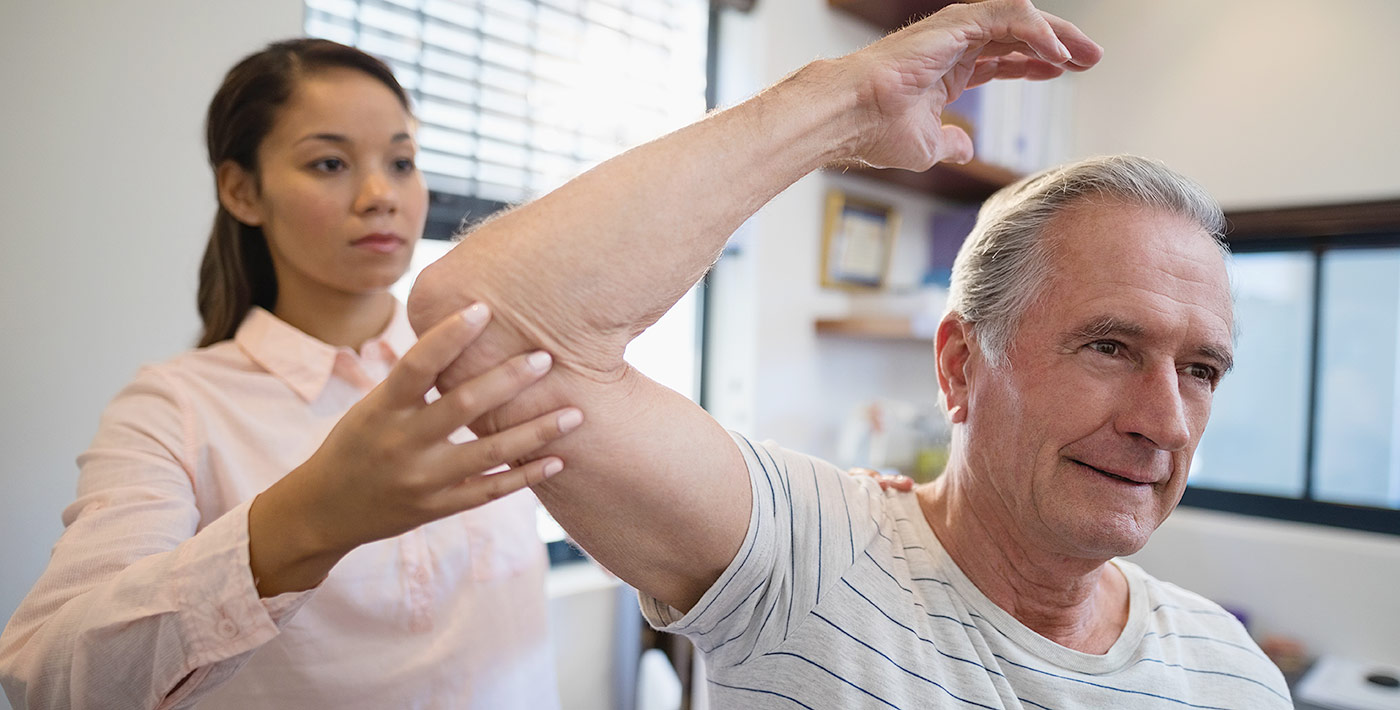
Elbow injuries can cause pain and hinder daily activities. They can also affect sports performance and everyday tasks like typing, lifting weights, or holding a drink. Traditional treatments like rest, physical therapy, and anti-inflammatory medications can help manage the symptoms, but don’t address the underlying problem. Dynamic Stem Cell Therapy, a regenerative therapy that promotes healing at its source, is an option for individuals who are looking to recover more quickly and effectively.

You can learn more about the treatment process and benefits here: https://stemcellpowernow.com/stem-cell-therapy-for-elbow-injuries/.

Comprehending Elbow Injuries, Their Challenges, And Treatment

The elbow is composed of many different bones, ligaments, tendons, and muscles. They all work in harmony to give the joint its flexibility and mobility. Repetitive motion, sports activity, or strain in the workplace can cause elbow injuries. Common elbow problems include:

  • Lateral Epicondylitis (Tennis Elbow): Overuse injury leading to tendon swelling on the outer part of the elbow.
  • Medial Epicondylitis: Tendonitis in the area of the inner elbow.
  • Ligament Sprains or Tears: Often caused by high-impact movements or sudden twisting motions.
  • Cartilage Degeneration: Injury or degeneration to the surface of the joints, causing stiffness and pain.

Chronic pain and mobility issues brought on by this illness may make it challenging for the patient to lead an active lifestyle or work.

How Dynamic Stem Cell Therapy Works

Dynamic Stem Cell Therapies uses the body’s regenerative cells for repair and regeneration in the elbow. The process involves extracting stem cell from the patient’s bone marrow and adipose tissues, processing them in order to concentrate healing components, before injecting precisely into the damaged area.

Once delivered, stem cells can:

  • Sort the cells into cartilage, tendon, or other cell types.
  • Release growth factors that stimulate tissue healing.
  • Reduce inflammation and joint pain.

The natural healing process is achieved without the need for prolonged recovery or risky surgery.

Benefits Of A Faster Recovery

Patients who seek Las Vegas Stem Cell therapy usually choose Las Vegas Dynamic Stem Cell Therapy for its benefits:

  • Quicker Healing: Many patients feel better within a week.
  • Minimally Inclusive Procedure: No large incisions and hospital stays required.
  • Long-Term Results: The benefits of repairing tissue can last much longer than those from conventional treatments.
  • Reduced Dependence On Medications: Less dependence on painkillers, anti-inflammatory drugs, and other medications over time.

Elbow Stem Cell Therapy – Ideal Candidates

Stem cell therapy can be used for:

  • Athletes rehabilitating from repetitive stress injuries.
  • Workers are suffering from chronic elbow discomfort due to physical work.
  • Individuals with degenerative arthritis who wish to avoid surgery.
  • Patients who haven’t responded well to other treatments like physical therapy or cortisone injections.

Every case is different, so consulting a regenerative specialist to determine the correct treatment plan is crucial.

Dynamic Stem Cell Therapy Approach

Dynamic Stem Cell Therapy stands out for its dedication to personalized healthcare. Every patient receives an in-depth evaluation, which includes imaging and a review of their medical history to ensure that stem cell treatments are tailored specifically to their injury and health profiles. This precision allows for maximum results and satisfaction from patients.

The clinic maintains the highest level of quality stem cell preparation and injection techniques. This guarantees that patients will receive the most potent, effective treatment.

Future Of Elbow Injury Treatment

Regenerative medicine continues to evolve rapidly. Stem cell therapies are at the forefront. For elbow injuries it is a promising and less invasive alternative to long-term use of medication or surgical repair. As research progresses, applications and rates of success are expected grow. This therapy offers hope to patients with joint pain, mobility issues, and other ailments.

Conclusion

An elbow injury does not have to result in months of discomfort and limited movement. Dynamic Stem Cell Therapy gives patients access to an innovative solution that harnesses the body’s own healing ability to restore functionality and reduce pain. Sports or everyday wear injuries may be treated using stem cell therapy.


Categories: Health

Tiny Rituals That Can Make Your Day 10x Better

In a fast-paced world, we often look for big changes to improve our lives—quitting a job, moving cities, or starting a major fitness plan. But often, it’s the small, repeated actions—the tiny rituals—that create the biggest impact over time. These little moments of intention can ground you, energize you, and help you feel more connected to yourself and the world around you. The beauty of rituals lies in their simplicity. They don’t require much time or effort, but their rewards can be powerful.

Here are a few tiny rituals that can make your day 10 times better, starting right now.

1. Start Your Day With Stillness

Before you reach for your phone in the morning, take a few minutes to just be. Sit up in bed or by the window, breathe deeply, and let your thoughts settle. You might want to repeat a calming phrase, stretch your body gently, or simply observe the light coming into the room.

This short moment of stillness sets the tone for a more mindful day and helps you respond rather than react to whatever comes next.

2. Drink Water With Intention

Instead of chugging water in a rush, turn your first glass of the day into a ritual. Feel the coolness, the refreshment, the fact that you’re nourishing your body. You can even pair this moment with a quiet affirmation like, “I take care of myself.”

It’s a simple but grounding way to reconnect with your body and begin your day from a place of self-respect.

3. Write a One-Line Journal Entry

You don’t need to keep a full diary to benefit from journaling. Just one line a day—something you’re grateful for, a highlight, or a thought you don’t want to forget—can build reflection into your routine.

Over time, these small entries become a mosaic of your life, helping you spot patterns, celebrate small wins, and remember what truly matters.

4. Take a 5-Minute Reset Break

Once or twice a day, pause and give yourself a five-minute reset. Step away from your screen, stretch, take a walk, or do nothing at all. This micro-break helps clear mental clutter and reduce stress, making you more focused and productive when you return.

It may seem like a small act, but these short pauses add up to a more sustainable and balanced day.

5. Create a Transition Ritual After Work

Switching off from work mode can be hard, especially if you work from home. Create a daily ritual that signals the end of your workday—light a candle, play a specific song, change clothes, or tidy your desk. This tells your brain, “Work is done. It’s time to relax.”

Such rituals help protect your personal time and prevent burnout.

6. Connect With One Person Genuinely

Make it a point to have one meaningful conversation a day. It could be a call to a friend, a kind message to a colleague, or a deeper check-in with a family member. These daily human moments foster connection and emotional wellbeing—even if they last only a few minutes.

7. Evening Wind-Down Ritual

Before bed, create a calming routine that helps you transition into sleep. Dim the lights, avoid screens, and do something gentle—reading, stretching, journaling, or listening to soft music. This signals your body and mind that it’s time to rest.

The quality of your day begins with how well you sleep, and a bedtime ritual ensures you close the day with care.

Conclusion: Small Acts, Big Shifts

You don’t need to overhaul your entire life to feel better. These tiny rituals might seem insignificant in isolation, but when practiced consistently, they create structure, meaning, and peace throughout your day. They are gentle anchors in a chaotic world—reminders to pause, breathe, and live with more intention.

Start with just one ritual and build from there. You might be surprised how these small daily acts can transform the way you experience life.

Explore these resources:

https://familyhousepai.com/
https://familleeducation.org/
https://gotomariko.com/
https://jetaport.com/
https://theloverspoint.com/
https://godblogcon.com/
https://leadershipeditors.com/
https://wahcbd.com/
https://exclusivenewstoday.com/
https://premiobrasilambiental.com/
https://youarebeingwatched.us/
https://kidsearnmoney.co/
https://newportbluesfestival.co.uk/
https://maitreyarelictour.com/
https://sandranews.com/
https://cryptexplorer.com/
https://offiice-officecom.com/
https://revisedtruth.com/
https://balarindangnews.com/
https://creativehomestaging.net/
https://pokercewek.org/
https://israup.net/
https://mx-df.net/
https://inewsiran.com/
https://madeinitalytravel.com/
https://i-mpressmta.com/
https://amarillaautomotores.com/
https://newstotop.com/


Categories: General

Side Hustles That Can Actually Make You Money

In a world of rising expenses and unpredictable job markets, side hustles have become more than just a way to earn a little extra cash—they’re often essential for financial freedom. But not all side hustles are created equal. Some can drain your time with little return, while others can genuinely build your wealth, supplement your income, or even turn into full-time ventures. If you’re looking for practical side hustles that actually make money, here are some worth considering.

  1. Freelance Services

If you have a marketable skill—like writing, graphic design, video editing, web development, or social media management—freelancing can be a lucrative side hustle. Websites like Upwork, Fiverr, and Freelancer allow you to connect with clients worldwide. The best part? You set your own rates, hours, and workload.

To maximize income:

  • Build a solid portfolio
  • Specialize in a niche
  • Communicate clearly and professionally with clients

Many freelancers eventually transition into full-time business owners because the demand is strong and the growth potential is real.

  1. Online Tutoring or Coaching

If you’re an expert in a subject—math, science, languages, music, fitness, or even life coaching—you can make real money by teaching others. Platforms like VIPKid, Preply, and Wyzant connect tutors with students. If you’re more independent, you can run your sessions via Zoom and charge premium rates.

Tutors with strong qualifications can charge anywhere from $20 to $100 per hour, depending on the subject and location of the client.

  1. Selling Digital Products

Selling digital products like eBooks, courses, printable planners, or templates is a scalable side hustle that can generate passive income. You only create the product once and sell it repeatedly.

Popular platforms include:

  • Gumroad (for downloads)
  • Teachable (for courses)
  • Etsy (for printables)
  • Canva (to design your products)

If you can solve a specific problem or serve a niche community, digital products can offer impressive returns without ongoing inventory costs.

  1. Reselling and Flipping Items

Flipping items from thrift stores, garage sales, or clearance sections can turn a small investment into a solid profit. Whether it’s vintage clothing, electronics, or collectibles, reselling has proven to be one of the most accessible money-making side hustles.

Where to sell:

  • eBay
  • Facebook Marketplace
  • Poshmark
  • Mercari

Consistency and a good eye for value are key. Many flippers make hundreds or thousands per month by sourcing and reselling in their free time.

  1. Rideshare and Delivery Services

Driving for companies like Uber, Lyft, DoorDash, or Instacart can offer quick and steady income, especially in urban areas. It’s ideal for those who want flexibility and are comfortable using their own vehicle.

To increase your earnings:

  • Work during peak hours (lunch/dinner, weekends)
  • Track expenses for tax deductions
  • Look for tips and bonuses through the app

While it involves vehicle wear and tear, for many people this is a fast way to generate extra money.

  1. Remote Customer Service or Virtual Assistance

With more businesses operating online, the need for virtual assistants and remote customer service reps is growing. Tasks range from managing emails and scheduling to handling support inquiries.

You can find part-time roles on:

  • Remote job boards like We Work Remotely
  • Job platforms like Indeed and FlexJobs
  • Freelancer networks

These gigs are ideal for people with organizational skills and a desire for consistent, hourly income.

  1. Content Creation and Affiliate Marketing

If you enjoy writing, filming, or sharing your knowledge online, content creation on platforms like YouTube, TikTok, or blogging can evolve into a serious income stream. Pair it with affiliate marketing—where you earn a commission for recommending products—and you’ve got a high-potential business model.

While it takes time to grow an audience, the long-term rewards can be substantial with sponsorships, product sales, and ad revenue.

Final Thoughts

Side hustles aren’t just about trading time for money—they’re about creating opportunities. Whether you’re saving for a goal, paying down debt, or building toward financial independence, the right hustle can move you forward. The key is to choose something aligned with your skills, lifestyle, and income goals—and commit to learning and improving as you go.

Start small, stay consistent, and focus on growth. The extra income you earn today could change your financial future tomorrow.

Check these out for related content :

 https://aismsocialride.it/
https://familynursehomecare.com/
https://usydfoodcoop.org/
https://alpacadreamsnc.com/
https://scottishrepublicansocialistmovement.org/
https://livecliq.net/
https://qe2hotels.com/
https://blithespirittheplay.com/
https://vieille-charite-marseille.org/
https://houseofkava.com/
https://rambuseducation.com/
https://sacbiznews.com/
https://cannabisprofitscourse.com/
https://atoustages.fr/
https://childrensismoving.com/
https://usakitchenandhome.com/
https://hellowatch.co.uk/
https://landformblog.co.uk/
https://lawscl.org/
https://macgregorsladiesfashion.com/
https://easternfashiononline.com/
https://seikopoker.com/
https://motornewsfirst.com/
https://collezionivaticano.it/
https://csusmhistory.org/
https://petmall.org/
https://kardashianfragrance.com/
https://jennymacklin.net.au/
https://somdmda.org/
https://fashionbetgiris.net/

Categories: General

Work Smarter, Not Harder: Efficiency Hacks For Busy Lives


In a world that constantly demands more, the phrase “work smarter, not harder” has become more than just a cliché—it’s a survival strategy. The pressure to excel in careers, maintain social lives, and keep up with personal goals can leave anyone feeling overworked and underproductive. But the truth is, productivity isn’t always about putting in more hours—it’s about making the most of the time you already have.

Efficiency is about results, not effort. People who seem to accomplish more aren’t necessarily working longer hours; they’re making intentional choices that maximize output and minimize waste. Here’s how you can adopt that mindset and bring smarter work strategies into your own busy life.

Focus On Outcomes, Not To-Do Lists

One of the biggest mistakes busy people make is equating activity with achievement. It’s easy to get caught up in crossing things off a list, even if those things don’t actually move you closer to your goals. Instead of starting your day with a packed to-do list, begin by identifying the one or two tasks that will have the most impact.

Ask yourself: What will make the biggest difference if I accomplish it today? This approach, often referred to as the “80/20 rule,” is based on the principle that 80% of your results come from 20% of your efforts. Prioritize those few high-impact tasks and let go of busywork that doesn’t serve a real purpose.

Batch Tasks To Minimize Mental Switching

Task switching is one of the biggest time thieves in a busy day. When your brain hops from writing a report to answering emails to checking your phone, you’re not multitasking—you’re splitting your focus. Each switch costs you energy and momentum.

A smarter approach is batching similar tasks together. Set a specific time to handle all your emails. Block off an hour to return phone calls. Reserve another block for deep, uninterrupted work. By grouping tasks by type and purpose, you’ll stay in flow longer and get more done with less fatigue.

Learn To Say No Without Guilt

The smartest workers know that saying no is a form of self-respect. When your calendar is overloaded with commitments, favors, and meetings that aren’t aligned with your priorities, your productivity suffers. Every “yes” to something low-value is a “no” to something meaningful.

This doesn’t mean becoming inflexible or unhelpful. It means being intentional with your time. Consider each new opportunity or request carefully. Will it support your goals? Is it the best use of your energy? If the answer is no, decline with clarity and kindness. Boundaries don’t limit you—they protect your capacity for what matters most.

Embrace Systems And Tools That Work For You

Technology can be a huge time-saver—or a massive distraction. The key is to choose tools that simplify your workflow instead of complicating it. Whether it’s a task manager like Todoist, a time tracker like Toggl, or a note-taking app like Notion, find systems that support how you think and work.

The same goes for creating routines. Morning rituals, weekly planning sessions, or an end-of-day wind-down can keep you centered and prevent small issues from snowballing into major stressors. Once a process works, automate or repeat it. Efficiency thrives in consistency.

Let Go Of Perfectionism

Perfection is often the enemy of progress. Smart workers recognize when a task is “good enough” to move on. That doesn’t mean sacrificing quality—it means resisting the urge to endlessly tweak, polish, or second-guess every detail.

Perfectionism drains time and creates bottlenecks, especially when decisions pile up waiting for flawless execution. Shift your mindset from perfection to excellence. Aim to deliver value, meet deadlines, and iterate when necessary. Done is often better than perfect, especially in fast-paced environments.

Recharge Like It’s Part Of The Job

One of the most underrated hacks for working smarter is rest. Your brain isn’t wired to function at full throttle all day long. Pushing through fatigue doesn’t make you more productive—it leads to errors, burnout, and diminishing returns.

Instead, schedule breaks into your day. Even five to ten minutes of walking, stretching, or stepping away from your screen can restore focus. Take days off without guilt. Make sleep a non-negotiable. Just as you fuel your body for physical tasks, you must recharge your mind for mental clarity and creative problem-solving.

Final Thoughts

Working smarter isn’t about finding shortcuts to avoid effort—it’s about using your time, energy, and focus more wisely. In a culture that often glorifies hustle, choosing efficiency may feel like going against the grain. But the long-term results speak for themselves: less stress, more clarity, and a better balance between achievement and well-being. You don’t need to do more. You need to do what matters—and do it well.


Check these out for related content:

https://uggaustraliasalenet.com/
https://francemedianews.com/
https://autofans.us/
https://travellingtrailer.com/
https://kumpulanbandarpoker.org/
https://bartonunited.co.uk/
https://farianews.com/
https://evemed.co.uk/
https://thecbdstoreonline.com/
https://nixsmate.com/
https://newsoaxaca.com/
https://mrfinancechallenge.com/
https://destinationovertornea.org/
https://fallenandflawed.com/
https://micanet.net/
https://roverpolo.org/
https://tamava.org/
https://isleuthhound.com/
https://nodalpoint.net/
https://keralanewsnow.com/
https://nr-7releases.com/
https://nkhomegroup.com/
https://truenewsd.com/
https://humaswonogirinews.org/
https://swisscartier.co.uk/
https://luellemag.com/
https://sammatson.net/
https://wesserblog.co.uk/
https://legalkushfly.com/
https://bzahomestylecrafts.com/

Categories: General

Slowing Down With Intention: The Case For A Simpler Life

In today’s fast-paced world, busyness is often worn like a badge of honor. We’re encouraged to hustle harder, say yes more, and chase after bigger, faster, louder. But many people are beginning to feel the weight of constant motion. Burnout is rising, attention spans are shrinking, and peace of mind feels increasingly elusive. In response, a quiet revolution is taking place—one that centers around slowing down with intention and embracing a simpler life.

This isn’t about abandoning ambition or escaping responsibility. It’s about choosing what matters most, and living in alignment with it. Let’s explore the power of slowing down, and how simplifying life can lead to more fulfillment, clarity, and joy.

Why We’re Addicted To Speed?

We live in a culture that equates speed with success. Faster results, instant gratification, and packed schedules are praised as signs of productivity and purpose. But in reality, constant motion often leads to mental exhaustion and emotional disconnection.

We fill every gap in our day—scrolling through social media while waiting in line, replying to emails during dinner, or multitasking through meetings and workouts. Rarely do we stop to ask: Is all this really serving me?

Slowing down doesn’t mean doing less for the sake of it. It means doing what’s essential, with full attention.

The Case For A Simpler Life

A simpler life isn’t about minimalism alone, or decluttering your home (though those can help). It’s about being mindful of your time, energy, and values. Here’s why it matters:

  1. More Mental Clarity

When you slow down, your mind has space to process, reflect, and connect dots. You’re not reacting to life—you’re thoughtfully responding. This shift reduces anxiety, improves decision-making, and enhances creativity.

  1. Deeper Relationships

Being fully present strengthens your connections with others. Whether you’re talking with a friend, partner, or child, slowing down allows for real listening, empathy, and intimacy—things that fast living often leaves behind.

  1. Increased Well-Being

A simpler lifestyle naturally reduces stress. With fewer commitments, less digital noise, and intentional boundaries, your body and mind can relax. You begin to feel grounded rather than rushed, nourished instead of depleted.

How To Begin Slowing Down With Intention?

The idea of simplifying can feel overwhelming at first—ironically, because we’re so used to doing everything quickly. Here are a few small ways to get started:

  1. Create White Space In Your Schedule

Don’t fill every hour. Leave time between commitments to pause, breathe, and reflect. This buffer creates mental calm and flexibility.

  1. Prioritize One Task At A Time

Multitasking might feel productive, but it often leads to fragmented thinking. Focus fully on one task. Whether it’s making coffee or writing an email, give it your full attention.

  1. Disconnect To Reconnect

Take breaks from screens and notifications. Try a short daily digital detox—no phone for the first hour after waking, or while eating meals. Reconnect with the world around you, distraction-free.

  1. Say “No” More Often

Not every invitation, request, or opportunity is worth your energy. Saying “no” with grace is a way of saying “yes” to what really matters.

  1. Reflect Daily

End your day with reflection. What felt meaningful? What drained you? What small moment brought you joy? This helps you tune into your values and adjust your pace intentionally.

Final Thoughts

Slowing down isn’t a luxury—it’s a necessity for a healthier, more conscious life. In choosing simplicity, we create space for presence, purpose, and peace. It allows us to trade hustle for harmony, and pressure for clarity.

The world may still move fast, but you don’t have to. Live slower. Live deeper. Live better.

Here are some helpful resources to explore:

https://fat-aus.com/
https://neuroinfancia.org/
https://reworkinglunch.org/
https://samplesalesites.com/
https://bionatrolcbdoil.net/
https://nagercoilhomechurch.com/
https://homesture.com/
https://mehryanatravel.net/
https://nacfnews.com/
https://malnadnews.com/
https://mexicobreakingnews.com/
https://fivestarhomeventures.com/
https://thetellynews.com/
https://northeasthome.info/
https://homeguidehq.com/
https://sekilaspoker.net/
https://thesafepad.co.uk/
https://mapsmentoring.co.uk/
https://hydroponichomemade.com/
https://famagusta-news.com/
https://mattramsey.org/
https://thcmarketingsettlementclaim.com/
https://cbdnaturallifestyles.com/
https://benedictquinn.co.uk/
https://veriqual.co.uk/
https://kelapasawitnews.com/
https://futurefringe.co.uk/
https://successlookslikeyou.co.uk/
https://swisshospitalityeducation.com/
https://csfcycleforlife.org/ 

Categories: General