How Modern Thinking Is Changing Traditional Lifestyle Choices

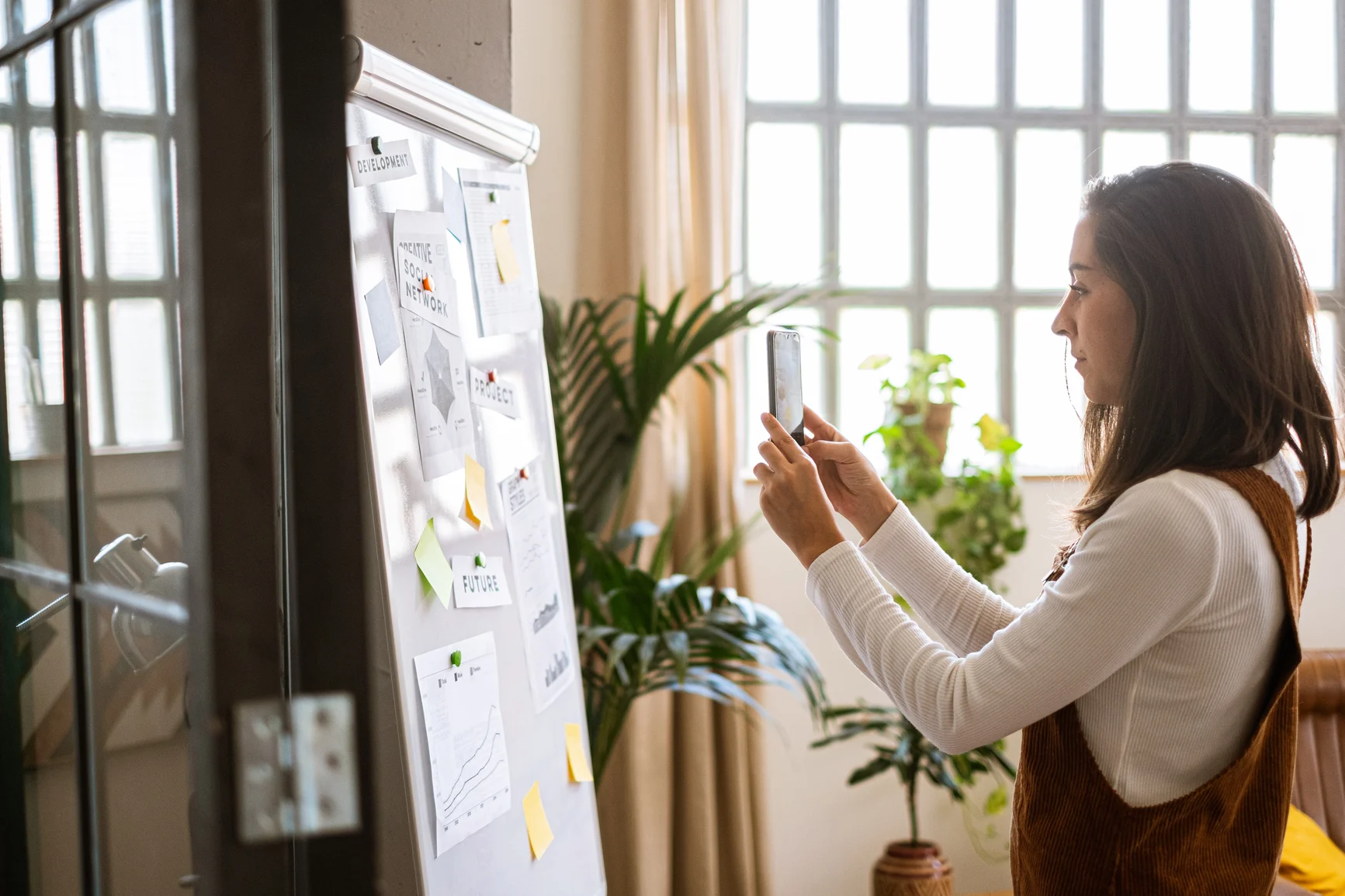
The modern world is evolving at an extraordinary pace, and with it, people’s lifestyles are transforming in ways that would have seemed impossible just a few decades ago. Traditional routines that once shaped daily life are now being reconsidered through the lens of convenience, flexibility, technology, and personal well being. From the way people work and communicate to how they shop, travel, and maintain relationships, modern thinking continues to reshape established customs and social habits.

One of the major reasons behind this shift is the growing influence of technology. Access to information has become instant, allowing individuals to make informed decisions about health, careers, finances, and lifestyle preferences. People are no longer limited by local trends or family traditions alone. Instead, they are exposed to global ideas that encourage independent thinking and personalized choices.

The Rise of Flexible Living

Traditional lifestyles often followed a fixed structure where people worked standard office hours, lived close to workplaces, and followed predictable daily routines. Modern thinking has introduced a more flexible approach to life. Remote work, freelancing, and digital entrepreneurship have created opportunities for people to design schedules that better suit their personal goals and family needs.

Many younger generations now prioritize work life balance over rigid professional structures. Rather than spending decades in a single job role, individuals seek careers that provide purpose, creativity, and flexibility. This shift has also influenced living arrangements, with many people choosing smaller homes, co living spaces, or travel oriented lifestyles instead of traditional long term housing patterns.

The rapid growth of digital innovation Australia has also contributed to these lifestyle adjustments by supporting remote communication, online businesses, and digital services that simplify everyday activities.

Health and Wellness Are Taking Priority

In the past, lifestyle decisions were often shaped by convenience and social expectations. Today, modern thinking encourages individuals to focus more on physical and mental wellness. People are becoming increasingly aware of the importance of nutrition, exercise, stress management, and emotional health.

This growing awareness has changed eating habits, fitness routines, and even social interactions. Organic foods, mindfulness practices, fitness apps, and wellness retreats have become more common because individuals now value long term health benefits over temporary comfort.

Traditional ideas about success are also evolving. Instead of measuring achievement solely through financial status, many people now define success through happiness, balance, and overall quality of life. This change reflects a deeper understanding of how emotional wellness influences long term fulfillment.

Technology Is Influencing Consumer Behavior

Modern consumers think differently compared to previous generations. Shopping habits, entertainment choices, and communication styles have all shifted due to technological advancement. Online reviews, social media recommendations, and digital marketplaces allow people to compare products and services instantly before making decisions.

Businesses are adapting quickly to these changes. Many companies now focus heavily on personalization and customer experience rather than relying only on traditional advertising methods. Experts studying Australian business trends 2026 predict that businesses will continue investing in digital experiences, sustainable practices, and customer centered innovation to meet changing expectations.

Consumers also expect greater transparency and convenience. Fast delivery systems, contactless services, and online support have become part of everyday life, demonstrating how modern expectations continue to reshape traditional business models.

The Influence of Digital Communities

Traditional communities were often built around neighborhoods, workplaces, or local gatherings. While these connections still matter, digital platforms now play a major role in shaping social interaction. People can build friendships, professional networks, and support groups online regardless of geographic location.

This has also changed how information spreads. Many websites and online platforms encourage collaboration by inviting contributors through opportunities like write for us news sections where individuals can share ideas, opinions, and expertise with wider audiences.

The ability to communicate instantly with people around the world has encouraged cultural exchange and broader perspectives. Individuals are becoming more open to alternative lifestyles, different traditions, and innovative ways of thinking.

Business and Marketing Strategies Are Evolving

Modern thinking is not only changing personal lifestyles but also transforming the way businesses operate. Traditional marketing methods such as newspaper advertisements and television commercials are now supported by advanced digital strategies.

Companies are increasingly using data driven approaches to understand customer behavior and deliver more relevant content. Techniques such as geo targeting marketing help businesses provide location specific promotions and personalized recommendations that improve customer engagement.

Similarly, online publishing opportunities such as write for us australia business platforms allow professionals and entrepreneurs to share insights, industry knowledge, and success stories with broader audiences. This approach reflects the growing importance of digital collaboration in modern business culture.

Redefining Tradition for the Future

Although modern thinking is changing many traditional lifestyle choices, it does not necessarily mean that traditions are disappearing completely. Instead, many traditions are being adapted to fit contemporary values and modern realities. Families still value togetherness, communities still seek connection, and individuals still pursue stability and purpose. The difference lies in how these goals are achieved.

People today are more willing to question outdated systems and explore alternatives that better align with personal values and changing social conditions. This willingness to adapt has created a society that values flexibility, innovation, and individuality while still respecting meaningful traditions.

As technology continues to advance and global perspectives become more connected, modern thinking will likely keep influencing the way people live, work, and interact. The future of lifestyle choices will probably involve a blend of traditional values and innovative practices that support both personal growth and collective progress.

 

Categories: General

Why Reflection Has Become More Valuable Than Constant Productivity?


Modern society often celebrates speed, efficiency, and nonstop achievement. People are encouraged to stay busy, multitask constantly, and measure success by how much they accomplish in a single day. While productivity can certainly create progress, an endless cycle of activity without reflection can lead to burnout, confusion, and emotional exhaustion. Today, many individuals are beginning to recognize that reflection offers something productivity alone cannot provide: clarity.

Reflection allows people to pause, evaluate their choices, and understand whether their efforts are truly aligned with their goals. Instead of simply doing more, reflection encourages doing what matters most. This shift in thinking is becoming increasingly important in a fast paced world where constant motion can easily distract people from purpose and meaning.

The Pressure of Always Staying Busy

Technology has made it easier than ever to remain connected to work and responsibilities. Emails, notifications, meetings, and digital platforms create an environment where people often feel guilty for resting. Productivity has become closely tied to personal worth, leading many individuals to believe that slowing down means falling behind.

However, constant productivity does not always produce better outcomes. In many cases, nonstop work reduces creativity and weakens decision making. Without moments of reflection, people may continue pursuing goals that no longer serve them simply because they never stop long enough to reconsider their direction.

This growing awareness has changed how professionals and organizations think about performance. Discussions around work life balance and mental well being now appear more frequently across industries, including platforms connected to business write for us australia communities that focus on modern workplace culture and sustainable success.

Reflection Improves Decision Making

One of the greatest benefits of reflection is improved judgment. When individuals pause to analyze past experiences, they gain insights that help them make smarter future choices. Reflection transforms experiences into lessons.

People who regularly reflect are often more aware of their strengths, weaknesses, habits, and emotional triggers. This awareness can prevent repeated mistakes and encourage more thoughtful actions. Reflection also creates space for strategic thinking rather than reactive behavior.

In professional environments, leaders who reflect carefully before making decisions are often better at managing challenges and guiding teams effectively. Companies connected to corporate services australia industries are increasingly recognizing that thoughtful leadership can improve both employee satisfaction and long term organizational stability.

Creativity Requires Mental Space

Creativity rarely thrives in environments filled with constant pressure and endless tasks. The mind needs quiet moments to process information, connect ideas, and generate original thinking. Reflection creates the mental space necessary for innovation.

Some of the most valuable ideas emerge during moments of rest, walking, journaling, or quiet observation rather than during periods of intense activity. Reflection allows the brain to organize thoughts naturally without external pressure.

Modern professionals are beginning to understand that productivity should not only be measured by output but also by the quality of ideas produced. Articles and reports discussing marketing insights australia frequently highlight how creativity and strategic thinking often come from reflection rather than overworking.

The Difference Between Activity and Progress

Being active is not always the same as making progress. Many people spend years staying busy without questioning whether their actions are leading them toward meaningful goals. Reflection helps separate useful effort from unnecessary activity.

When people take time to evaluate their priorities, they often realize that some tasks consume energy without offering long term value. Reflection allows individuals to focus on meaningful goals instead of simply reacting to daily demands.

Businesses are also applying this mindset through strategic evaluations and performance reviews. The increasing use of business data analytics Australia demonstrates how organizations are looking beyond surface level activity to understand what truly drives success and efficiency.

Reflection Builds Stronger Relationships

Listening, empathy, and understanding require patience and awareness. Constant productivity often leaves little time for meaningful conversations or emotional connection. Reflection helps people become more present in their relationships.

By reflecting on interactions and communication habits, individuals can improve how they connect with others. They become more aware of how their words and actions affect family members, coworkers, and friends.

Strong relationships are built through attention and understanding rather than speed. Reflection creates the emotional intelligence needed to maintain healthy personal and professional connections in a world that often prioritizes efficiency over human interaction.

A Cultural Shift Toward Meaningful Living

Many people are beginning to redefine success. Instead of focusing only on achievements, they are prioritizing purpose, balance, and emotional fulfillment. Reflection plays a central role in this cultural shift because it encourages people to think deeply about what truly matters.

Online discussions, personal development platforms, and communities connected to write for us australian blog opportunities increasingly explore themes such as mindfulness, intentional living, and sustainable personal growth. This growing interest reflects a broader recognition that a meaningful life cannot be built through constant productivity alone.

Conclusion

Productivity remains important, but reflection has become equally valuable in modern life. Reflection allows individuals to think clearly, make wiser decisions, strengthen emotional well being, and focus on goals that genuinely matter. In a society that constantly encourages people to do more, reflection reminds them to understand why they are doing it in the first place. The ability to pause, evaluate, and realign may ultimately become one of the most important skills for long term happiness and success. Constant motion can create exhaustion, but reflection creates direction.


Categories: General

Lessons Hidden Inside The Most Overlooked Daily Experiences

People often search for life changing moments in major achievements, dramatic events, or carefully planned milestones. Yet some of the most meaningful lessons are hidden inside the ordinary experiences that pass by almost unnoticed. The routines of daily life quietly shape how people think, respond, and grow over time. A simple conversation, a missed opportunity, or even a quiet morning can hold valuable insights that influence future decisions in unexpected ways.

Modern society moves quickly, encouraging people to focus only on major accomplishments while overlooking the wisdom found in small moments. However, paying attention to everyday experiences can create a deeper understanding of personal growth, relationships, and the world itself.

Everyday Routines Teach Discipline

Many people underestimate the power of consistency because daily routines often seem repetitive. Waking up on time, completing responsibilities, and maintaining healthy habits may not appear exciting, but these actions build discipline gradually. Discipline rarely develops from one dramatic event. Instead, it grows through repeated actions that become part of daily behavior.

The people who achieve long term success are often those who learn to value ordinary routines. Even activities like preparing meals, commuting, or organizing tasks can teach patience and responsibility. Across discussions featured in lifestyle news Australia, there is increasing attention on how structured routines improve emotional balance and productivity in modern life.

Conversations Reveal Unexpected Wisdom

Casual conversations are another overlooked source of learning. People frequently focus only on formal education or professional training while ignoring the lessons gained from listening to others. A short exchange with a coworker, neighbor, or stranger may offer a completely different perspective on life.

These interactions also strengthen empathy. Listening carefully to another person’s experiences helps individuals understand viewpoints beyond their own. In many communities, meaningful human connection continues to shape personal growth more effectively than digital communication alone.

Stories shared through sydney community stories often highlight how ordinary conversations within neighborhoods inspire positive change and stronger social bonds. Such examples remind people that wisdom is not always found in textbooks or seminars. Sometimes it appears in the simplest moments of human interaction.

Small Challenges Build Resilience

Minor inconveniences can also become powerful teachers. Delayed plans, unexpected mistakes, or stressful situations may feel frustrating at first, but they often build resilience over time. People who learn to adapt during smaller difficulties become better prepared for larger challenges in the future.

Daily life constantly presents opportunities to strengthen patience and emotional control. Waiting in traffic, handling misunderstandings, or recovering from small failures teaches individuals how to respond calmly under pressure. These moments may appear insignificant, yet they quietly shape character.

In fast paced urban environments connected to australia city life, resilience becomes especially important. The ability to manage stress while maintaining balance is now considered one of the most valuable personal skills in modern society.

Observation Encourages Creativity

Many creative ideas are inspired by ordinary experiences rather than extraordinary events. Observing people, environments, and routines can spark fresh thinking. Artists, writers, entrepreneurs, and innovators often draw inspiration from everyday surroundings that others barely notice.

Careful observation also strengthens awareness. People become more thoughtful when they pay attention to details that are usually ignored. A local café, a crowded train station, or a quiet park may reveal patterns about human behavior, emotions, and communication.

This awareness is particularly valuable for businesses and creators trying to understand changing audiences. Insights gathered through daily observation often influence marketing strategies, storytelling, and innovation trends connected with australian business listings and community based enterprises.

Digital Spaces Reflect Human Behavior

The modern digital world has also become part of everyday experience. Social media activity, online discussions, and digital habits reveal how people think, react, and connect with others. While many view online platforms only as entertainment sources, they also provide lessons about communication and public behavior.

Readers exploring updates through an australia news blog may notice how rapidly public opinions shift based on trends, emotions, and social influence. Observing these patterns encourages critical thinking and greater awareness about how information affects society.

Digital experiences also highlight the importance of balance. Spending too much time online can reduce meaningful real world interaction, while mindful use of technology can support education, creativity, and connection.

Gratitude Is Found in Ordinary Moments

Perhaps the greatest lesson hidden inside daily experiences is gratitude. People often wait for major successes before allowing themselves to feel happy or fulfilled. Yet genuine appreciation frequently grows from small moments such as sharing a meal, enjoying nature, or spending time with loved ones.

Ordinary experiences remind people that life is not built entirely from dramatic achievements. It is shaped by repeated moments that slowly define personal identity and emotional well being. Learning to appreciate these experiences creates a healthier and more grounded perspective on life.

Conclusion

The most overlooked daily experiences often contain the most meaningful lessons. Routine activities teach discipline, conversations build understanding, challenges strengthen resilience, and observation inspires creativity. Even digital interactions reveal important truths about modern society and human behavior.

When people slow down and pay attention to ordinary moments, they begin to recognize the hidden value within everyday life. Growth does not always arrive through major turning points. Sometimes it develops quietly through the simple experiences that people encounter every single day.

Categories: General

Lessons Learned From the Spaces Between Major Life Events

Life is often remembered through major milestones. Graduation ceremonies, career achievements, marriages, relocations, and personal breakthroughs usually become the defining moments people talk about for years. Yet the most meaningful growth often happens quietly in the periods between those major events. These spaces may appear ordinary at first, but they shape perspectives, habits, resilience, and emotional understanding in powerful ways.

The moments between life changing experiences create room for reflection. They allow individuals to process what has happened while preparing for what comes next. Without these quieter periods, personal growth would feel rushed and incomplete. The pauses between milestones become the foundation upon which future achievements are built.

Learning the Value of Patience

Modern culture frequently encourages people to chase constant progress. Social media feeds are filled with announcements, celebrations, and achievements that make everyday life seem less important. However, the quieter periods teach patience in ways major events cannot.

Waiting for opportunities often strengthens emotional maturity. People learn how to handle uncertainty, disappointment, and delayed gratification. During these slower chapters, individuals begin to appreciate small victories and consistent effort instead of relying solely on dramatic turning points for fulfillment.

Many professionals who follow trends in Australia business news often notice a similar pattern in successful companies. Sustainable growth rarely happens overnight. Long term achievements are usually the result of persistence during periods that seem uneventful from the outside.

Discovering Identity Beyond Achievement

Major life events can sometimes define people too strongly. Someone may become known only for their career success, academic accomplishments, or social role. The quieter periods between milestones create opportunities to reconnect with personal identity beyond titles and recognition.

These moments encourage deeper self awareness. People begin asking questions about purpose, values, and priorities. They learn what truly matters when external excitement fades away.

For some individuals, this process includes exploring creative interests, traveling, building relationships, or developing healthier routines. Others spend time reading, learning, or simply observing the world more carefully. Personal growth often becomes more authentic when it develops naturally rather than under public attention.

Many independent creators who contribute content through platforms such as uploadarticle. com often share stories that highlight the importance of reflection during transitional phases of life. These stories resonate because they reveal experiences that feel universal and deeply human.

Building Stronger Relationships

The periods between major life changes often strengthen personal relationships more than the events themselves. Weddings, promotions, or celebrations may bring temporary excitement, but everyday interactions build lasting trust and understanding.

Friends and family members become emotional support systems during uncertain transitions. Conversations held during ordinary evenings sometimes leave stronger impressions than highly planned celebrations. Shared experiences during calm periods often reveal character more clearly than moments of achievement.

Relationships also become more balanced when people are not constantly focused on reaching the next milestone. They become more present, attentive, and emotionally available. This deeper connection creates stronger foundations for future challenges and opportunities.

The Importance of Community and Connection

Human beings naturally seek connection during uncertain periods. While major events often place individuals in the spotlight, quieter seasons encourage collaboration and mutual support. Communities become especially valuable during these transitions.

Professional communities are a good example of this dynamic. Many entrepreneurs and professionals find that business networking Australia events provide more than career opportunities. These gatherings often create spaces for mentorship, encouragement, and shared experiences that help people navigate uncertain phases in both business and life.

The value of connection becomes clearer when individuals realize they are not alone in their struggles or transitions. Conversations with others who have experienced similar situations can provide reassurance and perspective that formal achievements cannot offer.

Finding Meaning in Ordinary Experiences

One of the greatest lessons from life’s quieter periods is the realization that ordinary experiences carry extraordinary value. A simple walk, a thoughtful conversation, or a peaceful evening can create moments of clarity that significantly influence personal direction.

People often become more observant during these slower chapters. They notice details they previously ignored because they were too focused on future goals. Everyday experiences begin to feel more meaningful when life is not dominated by major events or urgent deadlines.

This mindset shift also encourages gratitude. Instead of measuring life only through accomplishments, individuals begin appreciating stability, health, relationships, and personal peace. Happiness becomes connected to presence rather than constant achievement.

Even online conversations and communities discussing topics like guest psot opportunities often reveal how people seek meaningful ways to share experiences, ideas, and personal lessons during transitional periods. These interactions demonstrate the universal desire for connection and understanding.

Growth Through Exploration

The spaces between major milestones also create opportunities for exploration. Without the pressure of immediate expectations, people become more willing to experiment with new ideas, hobbies, or environments.

Travel frequently plays an important role in this process. Exploring unfamiliar places can inspire reflection and broaden perspective. Cities, cultures, and local experiences often teach lessons that formal education cannot provide.

For example, discovering a detailed Adelaide nightlife guide while traveling may initially seem like simple entertainment planning, but experiences like these can create lasting memories, encourage spontaneity, and introduce people to different lifestyles and perspectives. Unexpected moments often become meaningful parts of personal growth.

Conclusion

Major life events may define chapters, but the spaces between them shape character. These quieter periods teach patience, self awareness, resilience, gratitude, and connection in ways that milestones alone never could. Life is not built only through dramatic transformations or public achievements. It is also shaped by reflective mornings, difficult transitions, supportive conversations, and ordinary experiences that slowly influence perspective over time.

Categories: General

The Role Of A Model Train Shop In Preserving Railway History

Railways shaped economies, connected cities, and influenced how societies grew. While real locomotives retire and historic stations disappear, the story of rail transport does not have to fade. One of the most powerful yet often overlooked guardians of this legacy is the local and online model train shop. These specialized stores do far more than sell miniature trains. They act as cultural bridges that keep railway history alive for new generations.

Model Trains As Historical Storytelling Tools

A model train is more than a scaled-down vehicle. It represents a specific era, region, and technology. Steam locomotives recall the industrial age, early diesel engines reflect mid-twentieth-century engineering shifts, and modern electric trains show advances in speed and sustainability. A well-stocked model train shop gives hobbyists access to these different time periods in physical form.

Through carefully produced models, historical liveries, and accurate rolling stock, shops help enthusiasts recreate entire railway scenes from the past. Layouts can mirror real routes, famous trains, or long-gone rail companies. When people build and display these scenes, they are not just enjoying a hobby. They are retelling chapters of transportation history in a visual and interactive way.

Access To Historically Accurate Models

Preserving history requires accuracy. A serious model train shop works with manufacturers that focus on authentic detailing. From the number of wheels on a locomotive to the paint schemes used in specific decades, these details matter. They turn a toy into a historical replica.

Shops often provide guidance about scales, eras, and regional railroads, helping customers choose models that fit a particular historical theme. This support ensures that layouts reflect real-world railway practices instead of generic or incorrect combinations. Over time, thousands of home layouts collectively form a distributed museum of railway heritage, made possible by access to the right models and information.

Education Through Hobby Engagement

Many people first learn about railway history not in a classroom but through a hobby. A model train shop plays an educational role by introducing beginners to the background behind the products they buy. Staff knowledge, product descriptions, and in-store displays frequently include historical context about locomotives, routes, and rail companies.

Younger hobbyists, in particular, benefit from this hands-on learning. As they research the trains they model, they discover how railways influenced trade, migration, and urban development. The shop becomes a starting point for deeper exploration into engineering, geography, and social history, all sparked by a small train set.

Supporting Restoration And Preservation Culture

Interest in model railways often leads to interest in real rail preservation. Many railway museums and heritage railways are supported by volunteers who started as hobbyists. A model train shop helps nurture this culture by keeping enthusiasm alive. When people connect emotionally with the history represented in their layouts, they are more likely to support preservation projects, visit museums, and donate to restoration efforts.

In this way, the influence of a model train shop extends beyond miniatures. It indirectly supports the survival of full-size locomotives, carriages, and historic railway infrastructure by maintaining a passionate community that values the past.

Community And Knowledge Sharing

Model train shops also act as community hubs. Whether through in-person events or online forums, they bring together people who share an interest in railway history. Conversations about layouts often turn into discussions about real historical lines, famous trains, and technological changes over time.

This exchange of knowledge keeps historical information circulating. Experienced hobbyists pass insights to newcomers, while shops highlight new releases based on classic prototypes. The community aspect ensures that railway history remains a living topic rather than a forgotten one.

Preserving Details That Might Be Lost

Not every railway line or locomotive is preserved in full size. Some survive only in photographs, documents, and models. By stocking niche and limited-run items, a model train shop helps keep the memory of lesser-known railways alive. Even obscure regional trains can find a place on a hobbyist’s layout, preventing them from disappearing entirely from public awareness.

In this sense, model train shops help safeguard the smaller stories within the broader railway narrative. They ensure that history is not limited to the most famous trains but includes the everyday services that once connected communities.

A Living Link To The Railway Past

The role of a model train shop goes far beyond retail. It supports historical accuracy, encourages education, builds community, and fuels interest in real-world preservation. Through miniature replicas and shared passion, these shops help keep the spirit of the railway age moving forward. As long as people continue to build layouts and learn the stories behind them, railway history will remain active, detailed, and accessible rather than confined to dusty archives.

Categories: General

Meaningful Charm Ideas for Every Milestone and Memory

Jewellery becomes even more special when it tells a story. Charms, in particular, transform simple accessories into deeply personal keepsakes. Whether celebrating achievements, relationships, or life turning points, adding symbolic pieces to a bracelet allows memories to be worn every day. A thoughtfully curated charm collection can grow with you, marking the journey of life in a stylish and sentimental way. Many people choose pieces from Nomination Jewellery collections because of their versatility and personal storytelling appeal.

Celebrating Life’s Big Achievements

Milestones like graduations, promotions, or launching a new venture deserve lasting reminders. Academic-themed charms such as books, graduation caps, or stars symbolize knowledge and success. Career-related symbols like briefcases or tools of a trade can honour professional growth. Adding these to a Nomination Bracelet creates a wearable timeline of accomplishments, reminding the wearer of how far they have come.

Achievement charms are also meaningful for personal goals. A marathon shoe charm might represent completing a first race, while a heart with a heartbeat line could symbolize a health journey. These tiny details transform Jewellery into motivation you can carry with you daily.

Love, Friendship, and Relationships

Relationships shape some of our most cherished memories. Heart charms, infinity symbols, or lock-and-key designs represent love and commitment. Friendship-themed pieces such as puzzle shapes or matching charms shared between two people celebrate lasting bonds. Including these in Nomination Charms collections helps preserve emotional connections in a tangible way.

Family milestones also inspire beautiful additions. Baby feet charms mark the birth of a child, while family tree symbols honour roots and heritage. Anniversary-themed charms engraved with dates or Roman numerals create subtle yet meaningful tributes to shared years together.

Travel and Adventure Memories

Travel leaves a lasting mark on the heart, and charms can capture that sense of adventure. Airplanes, globes, or landmark-inspired symbols represent journeys taken and dreams yet to explore. Beach lovers might choose seashells or palm trees, while mountain icons symbolize outdoor adventures.

By adding travel-inspired pieces to Nomination Jewellery, each bracelet becomes a passport of memories. Over time, these charms build a narrative of exploration, cultural experiences, and personal growth shaped by new places.

Spiritual and Personal Growth Moments

Many people choose charms that reflect inner development or beliefs. Symbols like lotus flowers, crosses, angels, or protective eyes represent faith, resilience, and guidance. Zodiac signs and birthstones connect wearers to their identity and astrological influences.

Personal growth milestones, such as overcoming challenges or embracing new beginnings, can be marked with symbolic charms like butterflies or rising suns. Including these on a Nomination Bracelet turns Jewellery into a quiet reminder of strength and transformation.

Hobbies, Passions, and Everyday Joy

Charms are not only for major life events. They can celebrate hobbies that bring happiness. Music notes for musicians, paint palettes for artists, or paw prints for animal lovers highlight everyday passions. Food-themed charms, sports symbols, or creative icons reflect personality in playful ways.

Blending these lighter pieces with more sentimental ones keeps Nomination Charms collections balanced between meaningful depth and joyful expression. The result is Jewellery that feels authentic rather than formal.

Creating a Story That Evolves

The beauty of charm bracelets lies in their ability to grow over time. Each addition marks a chapter, creating a layered story unique to the wearer. Combining symbols of achievement, love, travel, spirituality, and hobbies results in a piece that captures both major milestones and small, happy moments.

With thoughtful selection, Nomination Jewellery pieces become more than accessories. They serve as wearable memory books, holding stories of where you have been, what you have overcome, and what you cherish most.

Categories: General

Unwritten Rules of Modern Life Nobody Talks About

Modern life comes with invisible guidelines that most people follow without ever being taught. These are not laws, not official policies, and not written in any rulebook. Still, they shape how we behave at work, online, in public, and even in our private routines. Understanding these unspoken expectations can help you move through daily life more smoothly and avoid awkward situations that others somehow seem to navigate with ease.

Being Busy Is a Social Signal

One of the strongest unwritten rules today is that being busy equals being important. People often answer “How are you?” with “Busy” as if it proves productivity or value. Even when someone is not overwhelmed, they may still present themselves as constantly occupied. This social habit has changed how we schedule, communicate, and even rest. Slowing down sometimes feels like breaking a rule, even though balance is necessary for long term well being.

Conversations around success, especially those connected to topics like world net worth, often reinforce this idea. Financial growth stories tend to highlight hustle, long hours, and nonstop effort, which quietly tells everyone that rest should be earned, not expected.

Digital Presence Equals Real Presence

Another unspoken expectation is that if you are not visible online, you almost do not exist. People assume you will reply quickly to messages, check updates regularly, and stay connected through multiple platforms. Delayed responses can be interpreted as disinterest, even when someone is simply offline.

This is especially noticeable when reading advice from platforms such as shopping businessnewstips, where digital activity is often tied to opportunity. The message is clear without being directly stated. Staying connected is no longer optional in many social and professional spaces.

Silence Often Means Disagreement

In modern communication, silence rarely feels neutral. When someone does not respond to a message, post, or idea, others may assume they disagree or are upset. This creates pressure to react to everything, even when you have nothing meaningful to add. The expectation to respond can lead to rushed replies and shallow interactions, but ignoring it can feel socially risky.

Learning when to respond and when to let silence be silence has become a subtle but valuable skill.

Personal Space Is Now Digital Too

Respecting boundaries used to mean physical distance. Now it also includes digital space. Repeatedly messaging someone, tagging them constantly, or expecting immediate attention can be seen as intrusive. Even friendly intentions can feel overwhelming when someone’s digital space is crowded.

Entertainment and social platforms such as pinaytlix show how much of life now happens online. Because of this, people guard their digital time the same way they protect their physical privacy. Understanding this helps maintain healthier relationships.

Opinions Travel Faster Than Facts

An important modern rule is that speed often wins over accuracy. Strong opinions spread quickly, while careful explanations move slowly. Many people form conclusions based on headlines or short clips rather than deep information. While this is rarely acknowledged openly, it affects discussions everywhere, from casual chats to major debates.

Navigating this environment means learning to pause before reacting. Not every fast moving topic deserves an instant opinion.

Subtle Status Signals Are Everywhere

Status is no longer shown only through obvious wealth or job titles. It appears in lifestyle choices, travel habits, devices, and even hobbies. People may not say they are comparing, but comparisons happen constantly. Social sharing amplifies this effect.

Discussions around world net worth trends often highlight dramatic financial differences, which influences how people view success. Even those who claim not to care about status are often influenced by these subtle comparisons.

Convenience Is Expected, Not Appreciated

Fast delivery, instant streaming, quick replies, and one click services have changed expectations. What once felt impressive now feels normal. When convenience fails, frustration appears quickly. The quiet rule is that everything should work smoothly all the time.

This shift affects patience levels and how people treat service providers. Recognizing this expectation can help us become more understanding when systems are not perfect.

Trends Define Belonging

From fashion to slang to technology, trends signal whether someone feels current. Following trends is not required, but ignoring them completely can make people feel out of touch. Even fun features like snap planet style social indicators show how modern platforms turn interaction into visible ranking systems, quietly influencing how people perceive closeness and popularity.

Being aware of trends without feeling controlled by them is part of navigating modern identity.

Productivity Is Often Valued Over Presence

Spending time without a clear goal can feel wasteful, even when it is meaningful. People multitask during conversations, check phones during meals, and turn hobbies into side income. The rule is not spoken, but productivity often ranks above simple presence.

Breaking this pattern by giving full attention to people and moments can feel unusual, yet it often leads to stronger connections.

Final Thoughts

Modern life runs on silent agreements that most of us follow automatically. From how quickly we respond to messages to how we present success, these unwritten rules shape daily behavior. Becoming aware of them does not mean you must follow all of them. It simply gives you the choice to move through life more consciously, keeping what helps and letting go of what does not.

Categories: General

Mindset Shifts That Can Change Your Life


The way we think shapes the way we live. Small changes in perspective can have enormous effects on personal growth, relationships, career success, and overall happiness. Mindset determines how we respond to challenges, setbacks, and opportunities. While external circumstances influence life, shifting how you think often has a more lasting impact than any single event or possession.

Embrace A Growth Mindset

One of the most powerful shifts is adopting a growth mindset. Instead of seeing abilities and intelligence as fixed traits, a growth mindset focuses on learning and improvement. Mistakes become opportunities, challenges become lessons, and effort is valued over innate talent.

Just as entrepreneurs monitor trends in shopping businessnewstips to adapt and grow, individuals with a growth mindset consistently evaluate themselves, refine strategies, and seek improvement. This mindset fosters resilience and encourages continuous learning, allowing you to tackle obstacles with confidence.

Focus On Long-Term Value

Many people get caught up in instant gratification or short-term outcomes. Shifting to a long-term perspective helps you prioritize actions that matter most over time. For instance, rather than seeking quick wins, focus on habits and decisions that compound into meaningful results.

Tracking overall life progress, similar to how people track world net worth, helps maintain perspective. While small setbacks may feel discouraging, seeing the bigger picture reinforces persistence and motivation. This approach applies to finances, careers, relationships, and personal goals alike.

Prioritize Self-Awareness

Self-awareness is a critical mindset shift. Understanding your emotions, reactions, and motivations allows you to make informed choices rather than reacting impulsively. Awareness helps identify patterns that may hinder growth, such as procrastination or negative self-talk.

Even online expression reflects this principle. Curating an instagram bio stylish that aligns with your personality and values requires reflection and authenticity. In life, the more aware you are of your internal state, the more effectively you can navigate challenges and opportunities.

Embrace Continuous Learning

Life is a series of learning experiences. A mindset that values continuous learning opens doors to new skills, knowledge, and perspectives. Whether you are pursuing professional growth, hobbies, or personal development, curiosity fuels progress.

Technical skills illustrate this concept well. Individuals exploring complex tools, such as ghidra software, benefit from patience and consistent learning. Mastery does not happen overnight, but a mindset committed to learning ensures steady growth. Similarly, creative exploration—using platforms like capcut mood apk to develop digital content—requires experimentation, mistakes, and adaptation to succeed.

View Challenges As Opportunities

Challenges often feel like obstacles, but reframing them as opportunities can dramatically shift your experience. Experimenting creatively with tools like capcut mood apk can help turn challenges into opportunities for growth and learning. Difficult situations provide lessons, build resilience, and expand your capabilities. This shift from victim mindset to opportunity mindset transforms stress into motivation.

For instance, encountering a setback in a business or creative project is not a failure—it is a chance to improve processes, refine skills, and strengthen problem-solving abilities. Each challenge faced with this mindset becomes a stepping stone rather than a roadblock.

Practice Gratitude And Positivity

Another effective mindset shift is prioritizing gratitude and positivity. Daily reflection on what you appreciate reinforces focus on opportunities rather than deficiencies. This perspective enhances relationships, improves mental health, and increases overall satisfaction.

Positive thinking does not ignore challenges but equips you to respond more constructively. When combined with growth-oriented, long-term, and self-aware approaches, positivity multiplies the impact of all other mindset shifts.

Making The Shifts Last

Changing your mindset is not a one-time event; it requires consistent practice. Begin with small, conscious adjustments in daily thought patterns, decisions, and habits. Over time, these shifts become ingrained, transforming how you approach life’s challenges and opportunities.

Mindset shifts have the power to change not just individual experiences but entire life trajectories. By embracing growth, long-term thinking, self-awareness, learning, and positivity, you create a foundation for lasting fulfillment and achievement. With these shifts, you are better prepared to navigate challenges, seize opportunities, and live a more empowered, meaningful life.


Categories: General

Building Confidence One Small Step At A Time

Confidence is not something we’re born with—it’s something we build. Every achievement, every small step forward, and every challenge overcome contributes to the development of self-belief. While some people may appear naturally confident, in truth, confidence is the result of consistent practice and intentional choices. Building it doesn’t happen overnight, but with patience and persistence, anyone can cultivate it.

The Importance Of Relationships In Confidence

Confidence often grows in the context of supportive relationships. Whether it’s a friend cheering you on, a partner offering encouragement, or simply someone who listens without judgment, positive connections help you believe in yourself.

This is reflected in the symbolism of a couple insta dp, where two individuals are captured in a moment of unity. Just as such an image reflects trust and mutual support, relationships in real life create an environment where confidence can thrive. Having even one person who believes in you can make the journey of self-growth less intimidating and far more rewarding.

Seeking Guidance When Needed

Sometimes, confidence falters when facing challenges that feel overwhelming or confusing. In these moments, reaching out for expert guidance is a sign of strength, not weakness. Whether it’s navigating career decisions, legal complexities, or personal struggles, having access to reliable support makes all the difference.

For example, people often rely on resources like the Australian lawyers directory when legal clarity is required. Just as these professionals provide guidance and reassurance in unfamiliar situations, seeking advice in any area of life helps individuals build confidence by reducing uncertainty. Confidence is not about knowing everything—it’s about knowing where to find answers when needed.

Expressing Attitude Boldly

True confidence often comes with the courage to express yourself openly. Whether in fashion, communication, or personal choices, having the attitude to stand firm in who you are is empowering.

This confidence is captured in forms of expression like attitude shayari shayari in hindi, where words reflect boldness, pride, and individuality. In life, expressing your true self without fear of judgment is a sign of growing confidence. It’s about embracing your personality fully and allowing the world to see the authentic you, one step at a time.

Leveraging Tools And Opportunities

Modern life offers countless resources to help people grow in skill and self-assurance. From networking platforms to skill-development hubs, these tools provide opportunities to practice, improve, and shine.

Just as businesses use platforms like the best digital agency directory to connect with skilled agencies, individuals can use available resources to connect with mentors, courses, or supportive communities. Each small opportunity to learn and engage builds confidence by reinforcing competence and showing that progress is possible.

Confidence In Everyday Tasks

Confidence doesn’t always come from big achievements—it often begins with small, everyday actions. Simple tasks like speaking up in a meeting, trying a new skill, or even asking questions can make a big difference over time. Each completed step, no matter how small, builds momentum.

Similarly, when homeowners use a home service professional directory to find trusted experts, they gain peace of mind knowing the job will be done correctly. In the same way, when you take small steps consistently, you develop trust in yourself. Over time, this trust transforms into lasting confidence.

Facing Fear With Courage

Fear is often the biggest obstacle to confidence. Whether it’s fear of failure, rejection, or judgment, these emotions can hold people back. The only way to overcome fear is to face it gradually, one step at a time. Start small—volunteer for a minor responsibility, share your opinion in a group, or attempt something new. With each step, the fear lessens, and your confidence grows stronger.

Overcoming fear doesn’t mean eliminating it completely—it means not allowing it to control your actions. Courage is built through action, and action leads to confidence.

The Role Of Consistency

Confidence is built through consistency. Sporadic bursts of effort rarely yield lasting results, but small, steady actions compound over time. Creating routines and habits around self-improvement ensures that progress is sustainable.

Whether it’s practicing a skill daily, journaling your achievements, or setting aside time for self-reflection, consistency ensures growth doesn’t stall. Over time, these habits become second nature, and with them comes the confidence of knowing you can rely on yourself.

Celebrating Small Wins

A critical part of building confidence is recognizing and celebrating achievements along the way. Too often, people focus only on long-term goals, forgetting that progress happens in small increments. Acknowledging even the tiniest steps forward reinforces self-belief and motivates continued growth.

Celebration doesn’t have to be grand—it can be as simple as taking a moment to appreciate your effort or sharing success with a supportive friend. These moments remind you that you are moving in the right direction.

Conclusion

Confidence is not built through one giant leap but through countless small steps. By fostering supportive relationships, seeking guidance, expressing yourself boldly, leveraging available resources, and facing fears one at a time, you can create a foundation of trust in yourself. Like a shared image, a trusted directory, or a bold poem, confidence is about authenticity and strength. With patience, consistency, and the courage to keep moving forward, confidence becomes not just something you admire in others, but a quality you embody yourself.

Categories: General

How Movement Improves Both Body And Mind?


In our increasingly sedentary world, movement has become more important than ever. It’s not just about going to the gym or running marathons—it’s about making intentional choices to keep the body active and the mind engaged. From walking in the park to stretching at your desk, movement impacts nearly every aspect of human health. It sharpens cognitive function, reduces stress, boosts energy, and strengthens the body. More than exercise, movement is a powerful tool for improving both physical and mental well-being.

Movement As An Expression Of Self

Movement is not only physical; it’s also a form of expression. Dancing, yoga, and even posture reflect how we feel and how we present ourselves to the world. Each step or stretch communicates mood and confidence.

This self-expression is much like an attitude girl hidden face with hair photograph—where subtle gestures convey depth, confidence, and individuality. Movement allows us to project our inner state outwardly, creating a connection between how we feel inside and how we are seen by others.

Accessibility And Everyday Opportunities

One of the greatest benefits of movement is its accessibility. You don’t need expensive equipment or hours of free time to incorporate it into daily life. A short walk, a stretch between meetings, or even household chores can provide meaningful benefits.

This accessibility is similar to platforms that make opportunities available to everyone, such as a site, where anyone can share or find resources without barriers. In the same way, movement is open to all—it’s about choosing to use the opportunities already within reach.

Building Communities Through Movement

Movement has the power to bring people together. Group fitness classes, community sports, and walking clubs foster connections that extend beyond physical activity. These shared experiences build relationships, accountability, and motivation.

Writers, educators, and wellness professionals often look for outlets to share ideas, and the phrase write for us highlights this collaborative spirit. Just as guest contributions create shared knowledge, group activities in movement create collective strength and belonging.

Physical Benefits: Strength, Energy, And Longevity

The physical benefits of regular movement are undeniable. It strengthens muscles, supports cardiovascular health, and helps maintain flexibility. Movement also regulates metabolism, aids digestion, and boosts immune function. Long-term, it reduces the risk of chronic diseases such as diabetes, heart disease, and arthritis.

For many, this is similar to managing an investment like a rental property listing Australia. The small, consistent efforts—whether through rent or exercise—add up over time to provide stability, value, and long-term rewards. Daily movement may seem small, but the cumulative effect is transformative.

Mental Health And Stress Relief

Movement also has a profound impact on mental health. Physical activity stimulates the release of endorphins, the brain’s “feel-good” chemicals, which reduce stress and improve mood. It also improves sleep quality and reduces symptoms of anxiety and depression.

This mental uplift can be compared to browsing the best restaurant directory in Australia, where you find exciting, nourishing options that bring comfort and joy. Movement nourishes the brain in the same way, offering experiences that bring balance and satisfaction to daily life.

Movement And Cognitive Performance

Studies consistently show that regular physical activity enhances memory, focus, and creativity. Movement increases blood flow to the brain, delivering oxygen and nutrients that improve cognitive function. Even short bursts of activity, like stretching or walking, can re-energize the brain for more effective work or study.

In fact, some of the greatest innovators and thinkers incorporated walking into their routines to generate fresh ideas. Movement unlocks creativity by shifting perspective and recharging mental energy.

Creating A Routine That Sticks

The key to reaping the benefits of movement lies in consistency. Instead of aiming for perfection, focus on building small, sustainable habits. Walking after meals, stretching before bed, or using stairs instead of elevators are simple changes that add up over time.

Variety also keeps routines engaging. Mixing activities like cycling, swimming, yoga, and strength training ensures all aspects of the body and mind are challenged. Finding what feels enjoyable is the best way to make movement a lifelong practice.

The Holistic Impact Of Movement

Movement connects every part of life—physical health, emotional well-being, and social connection. It creates resilience, improves energy, and fosters a greater sense of purpose. When you move regularly, you don’t just improve fitness—you enrich your life as a whole.

The secret lies in recognizing movement not as an obligation, but as an opportunity to invest in yourself. Just as people turn to directories, listings, and communities to enhance their personal and professional lives, movement enhances every aspect of human experience.

Conclusion

Movement is more than exercise—it’s a lifestyle choice that benefits both body and mind. From boosting strength and mental health to fostering creativity and social connection, the impact is powerful and far-reaching. Like a photograph that captures personality, a trusted listing that creates opportunity, or a directory that points the way, movement guides us toward better living. The more intentionally we embrace it, the more rewarding life becomes.

Categories: General