Delivery Driver Tips For American Side Income
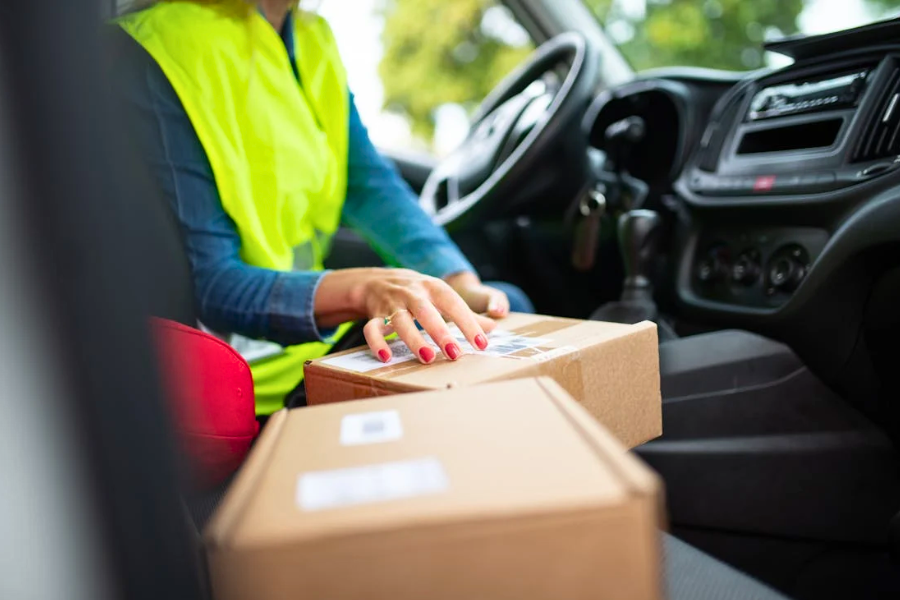
Delivery work can provide flexible income for people balancing jobs, classes, family responsibilities, or changing schedules. The freedom to choose working hours is attractive, but earnings depend on more than accepting as many orders as possible. These delivery driver tips can help American workers manage time, fuel, safety, expenses, and customer expectations more carefully.
A profitable shift begins before the first order arrives. Drivers should understand local demand, estimate operating costs, keep their vehicles ready, and avoid working in ways that create unnecessary stress. People interested in practical ideas for earning and managing money can treat delivery work like a small business instead of viewing every payment as immediate profit.
Delivery Driver Tips for Planning Better Shifts
Working during the right hours may improve earnings more than driving for longer periods without a plan.
Learn Local Demand Patterns
Order activity often changes by neighborhood, weekday, weather, meal period, and local events. Track which times regularly produce useful work and which periods involve long waits.
Lunch and dinner may be active in many areas, but every market behaves differently. A college district, office area, entertainment zone, and suburban neighborhood may each follow a separate schedule.
Keep simple notes for several weeks. Record working hours, completed deliveries, total distance, fuel use, and earnings. Patterns become easier to recognize when they are written down.
Set a Clear End Time
Flexible work can expand beyond the hours originally planned. Drivers may continue accepting orders because the next delivery appears promising.
Choose a target finish time before the shift begins. Allow some flexibility for a good final order, but avoid extending work repeatedly without checking whether the additional income covers the extra time and distance.
Readers following daily work and side-income guidance can also compare delivery income with other flexible opportunities instead of depending on one source.
Protect Earnings by Tracking Expenses
The amount shown in an app is not the same as take-home income. Fuel, maintenance, insurance, taxes, supplies, and vehicle wear can reduce the final amount.
Record Mileage and Operating Costs
Track work-related mileage using a consistent method. Keep receipts and organize records by month.
Estimate fuel, oil changes, tires, brakes, cleaning, repairs, and depreciation. A shift that looks successful may provide limited profit when it requires long travel between low-paying orders.
Review the numbers regularly rather than waiting until the end of the year.
Avoid Chasing Every Order
A high payment may involve a long pickup, difficult parking, extended restaurant wait, or distant drop-off area with little return demand.
Consider total time and distance before accepting work. A shorter order may produce better hourly results when it keeps the driver near active locations.
Thoughtful discussions about smarter work habits and financial decisions often show that saying no to inefficient work can protect income better than remaining constantly busy.
Improve Pickup and Delivery Efficiency
Small delays at restaurants, apartment buildings, offices, and gated communities can reduce the number of deliveries completed during a shift.
Organize the Vehicle
Keep delivery bags, phone charging equipment, water, cleaning supplies, and other essentials in fixed locations.
Use suitable insulated bags to help maintain food temperature. Keep different orders separated and check names or order numbers before leaving the pickup location.
Avoid placing personal items where they interfere with deliveries. A clean, organized vehicle reduces confusion during busy periods.
Read Instructions Before Arriving
Review delivery notes before reaching the destination. Look for apartment numbers, gate instructions, parking information, building entrances, and customer requests.
Do not wait until stopping in traffic to read directions. Pull over safely when more time is needed.
When instructions are unclear, communicate briefly and professionally. A clear message may prevent several minutes of searching.
Prioritize Personal and Road Safety
No order is worth unsafe driving, illegal parking, or entering a location that feels dangerous.
Drive Calmly During Busy Periods
Late pickups and traffic can create pressure, but speeding or making sudden decisions increases risk.
Follow traffic rules, use safe parking locations, and avoid handling the phone while driving. Set navigation before moving and use hands-free tools where allowed.
Bad weather requires additional time. Reduce speed and increase following distance rather than trying to maintain normal delivery timing.
Trust Reasonable Safety Concerns
Stay aware in unfamiliar areas, poorly lit locations, and isolated drop-off points.
Keep doors locked when appropriate and avoid leaving valuables visible. If a delivery situation appears unsafe, follow the platform’s support process and prioritize personal security.
Drivers can explore useful ideas for work routines and everyday safety while creating a personal checklist for vehicle readiness and emergency contacts.
Build Better Customer Habits
Professional communication can reduce confusion and improve the overall experience without requiring long conversations.
Send Updates Only When Needed
Customers usually benefit from short messages about meaningful delays, unavailable items, or location problems.
Avoid sending repeated updates already shown automatically by the platform. Keep communication polite, direct, and focused on completing the delivery.
Confirm the Correct Drop-Off
Check the address and delivery instructions before leaving the order.
When a photo is required, make sure it clearly shows the delivery location without exposing unnecessary personal information.
Do not block doors with bags or place food where pets, weather, or passing traffic may create problems.
Conclusion
Delivery work can support flexible income when drivers understand the real cost of operating a vehicle and use their time carefully. Strong habits around scheduling, mileage tracking, order selection, safety, and organization can improve both earnings and daily experience.
The most useful delivery driver tips focus on profit rather than activity alone. Track every mile, study local demand, and protect the condition of the vehicle supporting the work. A well-planned shift should add value to the household budget without creating hidden expenses that appear months later.
Frequently Asked Questions
How can delivery drivers estimate real hourly earnings?
Subtract estimated fuel, maintenance, taxes, supplies, and vehicle costs from total earnings, then divide the remaining amount by total working time.
What hours are usually best for delivery work?
Demand often increases around meals, weekends, weather events, and local activities, but patterns differ by city and neighborhood.
Should drivers accept every available order?
No. Consider distance, expected time, pickup delays, parking, destination, and likely return demand before accepting.
What should delivery drivers keep in their vehicles?
Useful items may include insulated bags, charging equipment, water, cleaning supplies, emergency equipment, and organized delivery containers.
How can drivers reduce fuel costs?
Plan working areas carefully, avoid unnecessary idling, maintain proper tire pressure, and reduce long travel between low-value orders.
Is delivery income the same as profit?
No. Gross payments do not include the effect of fuel, repairs, maintenance, taxes, insurance, and vehicle wear.
What should drivers do when delivery instructions are unclear?
Contact the customer briefly through the approved method and request the specific information needed to complete the delivery.
How can drivers stay safer at night?
Use well-lit parking areas, remain aware, keep doors secure, avoid displaying valuables, and leave situations that create reasonable safety concerns.