Easy Fashion Tips for Creating Balanced Outfits
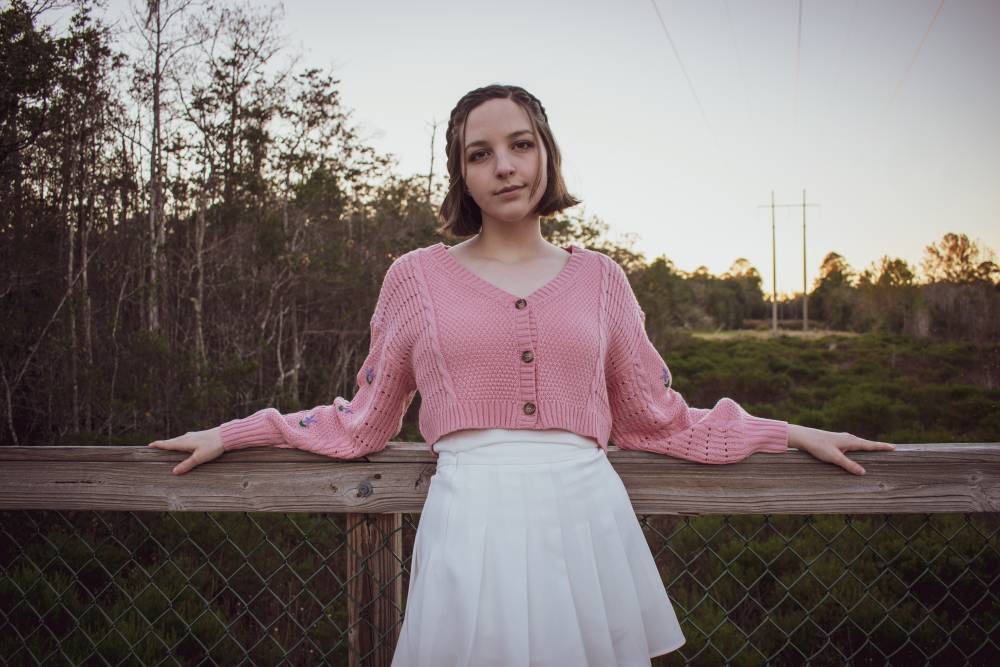
A balanced outfit feels visually complete without looking overly planned. The colors, proportions, textures, and accessories support one another rather than competing for attention. Creating this effect does not require expensive clothing or advanced fashion knowledge. Small adjustments can improve the way basic garments work together.
Balance also depends on personal preference. Some people enjoy oversized silhouettes, bold prints, or strong color contrasts. Others prefer simple lines and neutral combinations. The goal is not to make every body look the same. It is to make each outfit feel intentional, comfortable, and appropriate for the setting.
Begin With One Main Piece
Choose one garment as the starting point for the outfit. It might be a printed skirt, bright sweater, tailored jacket, or favorite pair of trousers.
Allow the remaining pieces to support that item. A patterned skirt may work best with a solid top and simple shoes. A bold jacket can become the focal point when worn over neutral clothing.
Starting with one main piece reduces confusion. Instead of trying to coordinate several unrelated items, you build the outfit around a clear visual direction.
A focused dressing routine can also reduce daily stress and decision fatigue when mornings already feel busy.
Balance Loose and Fitted Shapes
Proportion has a major effect on how an outfit appears. When both the top and bottom are extremely loose, the body can become hidden unless the oversized effect is carefully controlled.
Try pairing wide-leg trousers with a fitted or tucked top. Wear an oversized shirt with straight jeans or leggings. Combine a full skirt with a shorter knit top.
These are not strict rules. Loose clothing can be worn from head to toe when fabrics drape well and the outfit includes deliberate structure. A defined shoulder, visible wrist, or clear hemline may provide enough balance.
Create Waist Definition When Desired
Defining the waist can bring structure to relaxed clothing. Use a belt, tuck in a shirt, select a cropped layer, or choose a garment with shaping seams.
A full tuck creates a polished effect, while a front tuck feels more casual. Belting a blazer, cardigan, or dress can change its silhouette.
Waist definition is optional. Straight outfits can look equally balanced when the fabric falls cleanly and the proportions are intentional.
Helpful outfit proportion advice can provide ideas without turning personal style into a fixed list of rules.
Use a Consistent Color Palette
A balanced outfit often contains two or three main colors. Begin with one neutral, add a second supporting shade, and introduce a stronger accent when desired.
For example, combine navy trousers with a cream top and burgundy shoes. Wear brown jeans with a pale blue shirt and beige jacket.
Repeating one color can create cohesion. A black belt may connect with black shoes, while gold earrings can relate to the hardware on a handbag.
Avoid adding colors only because each item looks attractive separately. Consider how the full combination works together.
Mix Prints Carefully
Print mixing can create an expressive outfit, but the patterns need a visual connection.
Combine prints that share at least one color. Pair a narrow stripe with a larger floral pattern, or use one strong print with a smaller, quieter design.
The difference in scale prevents the prints from competing. Two equally large and colorful patterns may feel overwhelming unless the look is intentionally dramatic.
When uncertain, keep one printed garment and make the remaining pieces solid.
Balance Heavy and Light Fabrics
Fabric weight affects the overall mood of an outfit. Heavy boots and thick knitwear naturally feel different from a lightweight dress or delicate blouse.
A flowing skirt can work with a chunky sweater when the contrast looks deliberate. A structured leather jacket may balance a soft dress.
Problems appear when one item feels visually disconnected. Very heavy footwear may overpower a thin summer dress, while delicate sandals may appear unsuitable with a thick winter coat.
Current seasonal clothing updates can help you understand how different fabric weights work across changing weather.
Use the Third-Piece Method
A top and bottom create the foundation of an outfit. Adding a third piece can make the combination feel complete.
The third piece might be a blazer, cardigan, vest, jacket, scarf, or noticeable accessory. It should add structure, color, texture, or practical warmth.
A white T-shirt and jeans become more polished with a blazer. A simple dress feels more layered with a cardigan or belt.
Do not add a third piece when it creates discomfort or unnecessary bulk. The method should improve the outfit rather than complicate it.
Choose the Right Shoe Shape
Shoes affect the visual weight and formality of an outfit. Wide trousers may work well with loafers, boots, or substantial sneakers. A delicate skirt may suit refined flats, sandals, or slim ankle boots.
Consider the length of the trousers or skirt. Shoes should remain visible enough to feel connected to the outfit.
Comfort is essential. An outfit rarely looks balanced when the wearer is walking carefully because the shoes are painful.
Keep Accessories Proportional
Accessory size should relate to the clothing and the wearer’s preferences. A large bag may balance an oversized coat, while a smaller structured bag may suit a fitted dress.
Bold earrings can work with a simple neckline. A printed outfit may need only minimal jewelry.
Avoid adding several statement pieces automatically. One noticeable accessory is often enough to create interest.
Use Symmetry and Asymmetry Intentionally
Symmetrical outfits feel orderly and classic. Matching lapels, centered buttons, and even hemlines create a controlled appearance.
Asymmetry adds movement. A side tuck, one-shoulder neckline, diagonal bag strap, or uneven hem can make a basic outfit more dynamic.
Use asymmetry as a focal detail rather than combining too many uneven elements at once.
Check the Outfit From Every Angle
An outfit may look balanced from the front but feel different from the side or back. Check shoulder placement, trouser length, shirt hems, and the way layers overlap.
Take photographs from several angles. Images often reveal proportion problems that are difficult to notice in a mirror.
Walk, sit, and raise your arms. Clothing should continue to feel secure and comfortable during movement.
Create Reliable Outfit Formulas
Outfit formulas reduce the need to begin from nothing each morning. Examples include:
- Wide-leg trousers, fitted top, cropped jacket
- Straight jeans, relaxed shirt, loafers
- Midi skirt, tucked knit top, ankle boots
- Simple dress, structured blazer, flats
- Tailored trousers, T-shirt, clean sneakers
Save photographs of combinations that work. Change colors, fabrics, and accessories while keeping the same basic structure.
Practical balanced everyday outfit ideas can help you create formulas suited to work, weekends, and social plans.
Remove One Unnecessary Element
When an outfit feels confusing, remove one item. It may be an extra necklace, a competing color, a bulky layer, or a belt that adds no useful shape.
Editing is an important part of styling. More detail does not always create a better result.
Stand in front of a mirror and identify the first place your eye goes. Decide whether that area should be the focal point. If several pieces compete equally, simplify the combination.
Balanced outfits are built through thoughtful relationships between shape, color, fabric, and detail. With practice, these decisions become instinctive, allowing you to create polished combinations from clothing you already own.