Mulch Selection Advice For American Home Landscapes
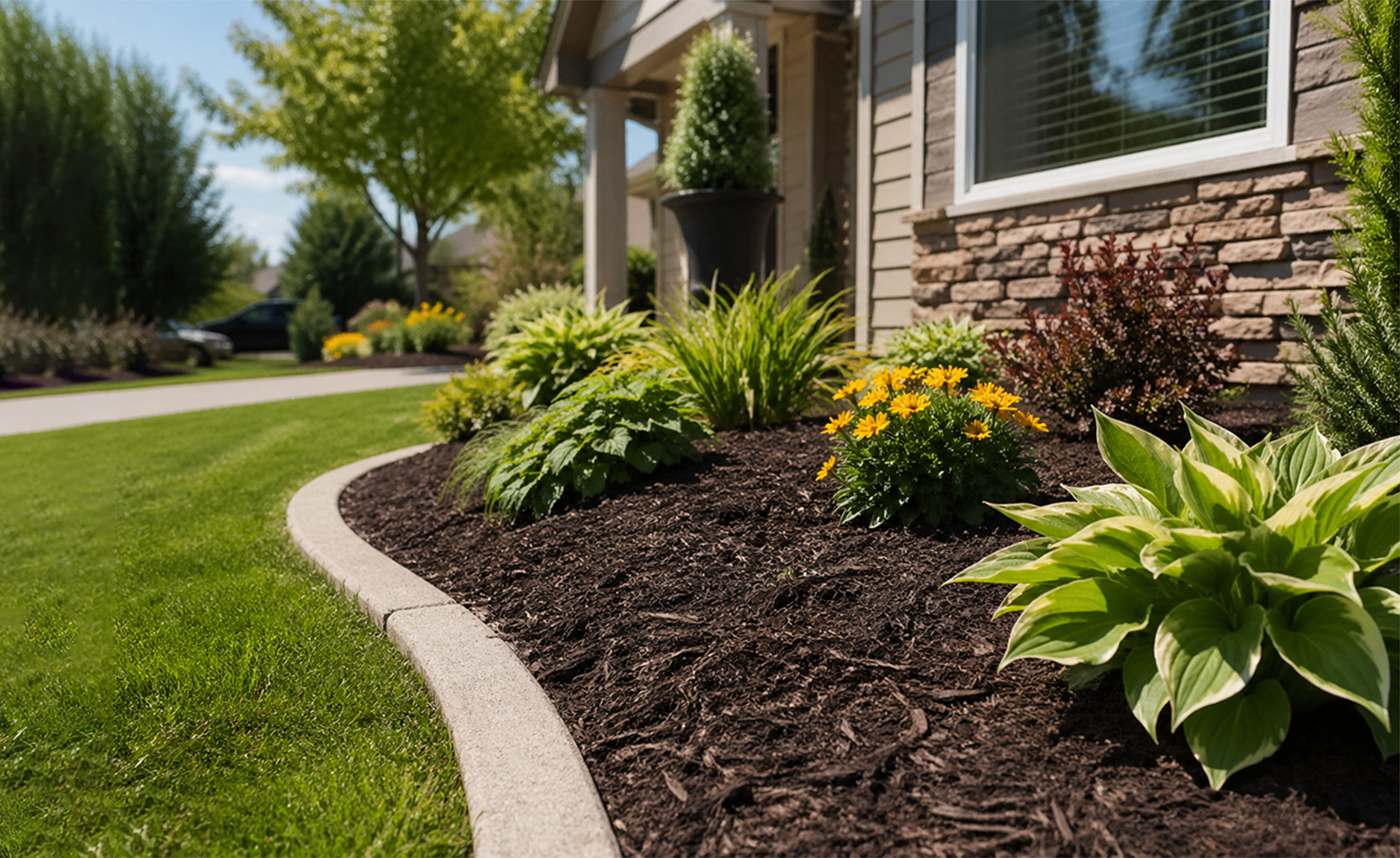
Mulch can make garden beds look cleaner while helping homeowners manage moisture, weeds, soil temperature, and seasonal maintenance. Across the United States, landscape conditions vary widely. A mulch that performs well in a cool, rainy region may behave differently in a hot, dry climate. Plant type, soil condition, property style, local weather, and maintenance preferences should all influence the final choice.
Many homeowners select mulch only by color or price. Appearance matters, but practical performance is equally important. The wrong material may move during heavy rain, dry too quickly, create difficult cleanup, or require frequent replacement. A better approach is to compare several options and choose one that fits the purpose of each landscape area.
Understand What Mulch Should Accomplish
Before buying mulch, homeowners should decide what problem they want to solve.
Some garden beds need better moisture retention. Others need weed reduction, improved appearance, erosion control, or protection from temperature changes.
One mulch material may not be ideal for every section of the property.
A front flower bed may prioritize a neat appearance, while a vegetable garden may benefit from a material that breaks down naturally.
Tree areas may need long-lasting coverage without creating excessive buildup around trunks.
Thoughtful landscape material planning can help homeowners connect mulch selection with the larger design and maintenance needs of the yard.
Compare Shredded Wood Mulch
Shredded wood is commonly used around shrubs, trees, flower beds, and foundation plantings.
It creates a natural appearance and is available in different textures and colors.
Finer material may settle into a dense layer, while larger pieces can allow more airflow.
Wood mulch gradually changes as it is exposed to sunlight, rain, and soil organisms.
Homeowners should expect color fading over time.
Natural aging does not always mean the mulch has stopped working. The lower layer may continue helping with moisture and soil protection even when the surface appearance changes.
Consider Bark Mulch for Decorative Beds
Bark mulch is often selected for its texture and finished appearance.
Larger bark pieces may remain visible longer than finely shredded products.
They can work well around established shrubs and ornamental beds.
Lightweight bark may move during strong wind or heavy rain, especially on slopes.
Homeowners should inspect the area before choosing loose material.
A steep bed near a walkway may need a product that stays in place more effectively.
Bark should be spread evenly rather than piled into deep mounds.
Creative home landscape inspiration can help homeowners compare different textures around paths, patios, entrances, and planted borders.
Use Compost as a Soil-Supporting Cover
Finished compost can be applied around selected plants to add organic material to the soil.
It has a darker, soil-like appearance and usually blends naturally into garden beds.
Compost may not provide the same long-lasting visual layer as bark or wood mulch.
It can break down more quickly and may need seasonal renewal.
Gardeners should use finished material rather than fresh waste.
Compost quality matters because unfinished material may contain recognizable scraps or create uneven conditions.
A thin, appropriate layer can support soil while keeping plant stems clear.
Think Carefully About Colored Mulch
Colored mulch is available in several shades and can create strong contrast around homes and garden beds.
Homeowners should consider how the color works with siding, brick, stone, fencing, and surrounding plants.
Dark colors may create a bold appearance, while natural brown tones often blend into the landscape.
Color can fade with sunlight and weather.
A shade that looks strong when newly installed may become softer later.
Homeowners should also consider whether they want to repeat the same color every season.
Consistent use often creates a more organized appearance than changing shades frequently.
Choose Mulch for Vegetable Gardens
Vegetable gardens have different needs than decorative beds.
Gardeners may use straw, shredded leaves, compost, or other suitable organic materials.
The material should allow water to reach the soil while helping reduce moisture loss.
Mulch should not be pushed directly against vegetable stems.
Thick, wet material around young plants may create unwanted conditions.
Gardeners should also consider how easily the mulch can be moved during planting and seasonal cleanup.
Keeping seasonal garden records can help homeowners compare moisture, weed growth, plant health, and replacement needs from one season to another.
Use Leaves as a Practical Garden Resource
Autumn leaves can become useful mulch when prepared correctly.
Large whole leaves may form dense layers that reduce airflow and water movement.
Shredding leaves can create a more manageable material.
Leaf mulch may work well around shrubs, perennial beds, and selected garden areas.
Homeowners should avoid using diseased leaves when there is concern about carrying plant problems into another season.
Leaves break down naturally and may need to be renewed.
Using available yard material can reduce waste and lower seasonal landscaping costs.
Evaluate Stone and Gravel Mulch
Stone can provide long-lasting coverage and a clean appearance around certain landscapes.
It is often used near modern homes, dry gardens, paths, or areas with limited plant growth.
Unlike organic mulch, stone does not break down and add material to the soil.
It can also become hot in direct sunlight.
Heat may affect nearby plants, especially in already warm climates.
Stone is heavier to install and more difficult to remove if the landscape design changes.
Weeds may still appear when soil and organic debris collect between pieces.
Avoid Excessive Mulch Depth
More mulch does not always produce better results.
An overly deep layer can limit air movement and keep soil too wet.
It may also hide irrigation problems or create unnecessary buildup around plants.
Homeowners should check the existing layer before adding new material.
Fresh mulch can sometimes be applied only where coverage has become thin.
Removing or loosening compacted material may be more useful than adding another full layer.
Depth recommendations vary by material and landscape use.
Keep Mulch Away From Tree Trunks
Piling mulch against a tree trunk is a common landscaping mistake.
Large mulch mounds can hold moisture against bark and hide developing problems.
The base of the trunk should remain visible.
Mulch can extend outward over the root area without touching the trunk directly.
A wide, moderate layer is generally more useful than a narrow, tall pile.
Homeowners should inspect tree areas each season because mulch may shift during rain, cleanup, or maintenance.
Protect Plant Stems and Foundations
Mulch should not cover the base of flowers, shrubs, or vegetables.
A small open area around stems can reduce direct moisture contact.
Homeowners should also avoid placing material where it blocks drainage openings, vents, or maintenance access near the house.
Landscape beds should direct water appropriately rather than trap it against structures.
Mulch can improve appearance, but it should not hide building concerns.
Careful placement supports both plant health and property maintenance.
Match Mulch to Local Weather
Dry climates may benefit from materials that reduce rapid moisture loss.
Rainy regions may require better attention to drainage and excessive moisture.
Windy properties may need heavier mulch that stays in place.
Homes near wildfire-prone areas should follow local landscaping and fire-safety guidance when selecting materials near structures.
Weather should also influence installation timing.
Applying mulch over very dry soil without watering may delay moisture improvement.
Calculate the Amount Before Buying
Homeowners should measure the length and width of each bed before purchasing material.
The planned depth will affect the required quantity.
Buying too little may create uneven coverage.
Buying too much may lead to unnecessary storage or excessive application.
Irregular beds can be divided into smaller sections for easier measurement.
Homeowners should also account for existing mulch that remains useful.
A careful estimate can reduce waste and improve consistency.
Refresh Mulch Without Rebuilding Every Bed
Mulch does not always need complete replacement.
Homeowners can rake or loosen the existing layer to improve appearance.
Thin sections may need additional material.
Areas with excessive buildup may require removal before anything new is added.
Weeds should be addressed before refreshing the surface.
Edges can also be cleaned to create a more finished appearance.
Balanced garden maintenance guidance can help homeowners avoid unnecessary seasonal work while keeping beds attractive.
Mulch selection should support the plants, soil, climate, and design of the property. Wood, bark, compost, leaves, straw, stone, and other materials each offer different benefits. American homeowners can make better choices by considering moisture, weather, maintenance, appearance, and long-term use rather than focusing only on color. The right mulch should make the landscape easier to care for while protecting the health and structure of the garden.