Closet Refresh Tips For American Seasonal Wardrobes
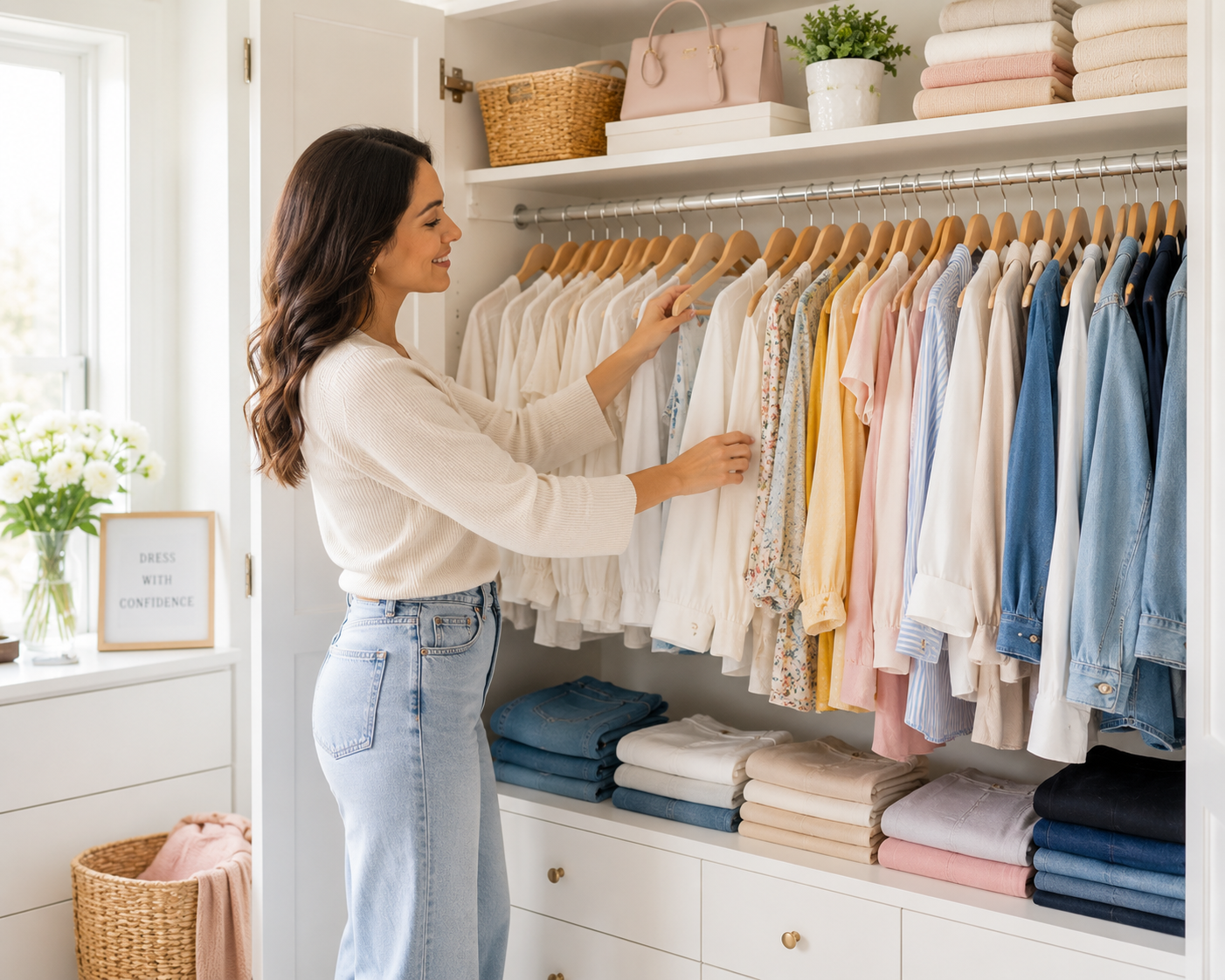
Seasonal changes often reveal how much clothing has collected without regular use. American wardrobes may need to handle hot summers, cold winters, rainy spring weather, changing fall temperatures, workplace needs, travel, and weekend activities. Without a simple system, closets can become crowded even when people still feel they have nothing suitable to wear.
A seasonal closet refresh is not the same as replacing an entire wardrobe. The goal is to review what already exists, remove unnecessary clutter, identify useful gaps, and make daily dressing easier. A well-organized closet can save time, reduce duplicate purchases, and make familiar clothing feel more valuable.
People looking for practical seasonal wardrobe ideas can begin with a careful review before buying new storage products or clothing.
Remove Everything From One Section
Trying to organize an entire closet at once can feel overwhelming.
Begin with one Category, such as shirts, jeans, jackets, shoes, or accessories.
Remove those items and place them where each piece can be seen clearly.
This prevents forgotten clothing from remaining hidden behind newer purchases.
Working in smaller sections also makes it easier to finish the project without creating a room full of clothing.
Once one category is complete, move to the next.
The process may take several short sessions, and that is often more manageable than attempting a complete transformation in one day.
Sort Clothing By Real Use
Create clear groups based on how clothing is actually worn.
One group may include regular favorites. Another may include seasonal pieces, special-event clothing, items requiring repair, and pieces no longer used.
Avoid keeping clothing only because it was expensive or connected to a past purchase.
Ask whether the item fits comfortably, matches current routines, and has been worn during the appropriate season.
Clothing that supports an imagined lifestyle may occupy valuable space without serving a real purpose.
Wardrobe coverage from fashion and lifestyle organization writers often emphasizes practical use over emotional pressure to keep every purchase.
Try On Uncertain Items
Clothing can change over time because of washing, wear, body changes, or shifting style preferences.
Try on items that have not been worn recently.
Move naturally, sit, bend, and check comfort.
An item may look attractive on a hanger while feeling restrictive during normal movement.
If the fit is slightly incorrect, consider whether affordable tailoring could improve it.
Avoid creating a large repair pile without a plan. Set a deadline for alterations or repairs.
Items that remain untouched after the deadline may not deserve permanent closet space.
Review Seasonal Outerwear
Jackets, coats, rainwear, and heavy layers require significant storage.
Check zippers, buttons, linings, pockets, and visible wear before placing seasonal outerwear into storage.
Clean items according to care instructions.
Repair small problems before the next season begins.
A missing button discovered during the first cold morning can create unnecessary stress.
Keep one or two transitional layers accessible because weather may change before the main season arrives.
Light jackets, cardigans, and overshirts often work across several months.
Store Off-Season Clothing Carefully
Off-season clothing should remain clean and dry.
Dirty clothing may develop odors or stains during storage.
Use suitable containers, garment bags, shelves, or under-bed storage according to available space.
Avoid forcing too many items into one container because fabric can become heavily wrinkled.
Label storage clearly.
A simple label such as “winter sweaters” or “summer dresses” prevents repeated searching.
Readers interested in clear wardrobe care guidance can focus on systems that protect clothing without requiring expensive closet renovations.
Create A Visible Daily Section
Frequently worn clothing should remain easy to reach.
Place work outfits, favorite jeans, regular tops, and common layers in the most accessible area.
Special-event clothing can occupy less convenient storage because it is used less often.
This arrangement reduces morning searching and helps people notice which pieces receive the most use.
A visible daily section can also reveal whether too many similar items have collected.
If ten shirts serve the same purpose, future purchases may not be necessary.
Organize By Category Or Outfit
Different systems work for different people.
Some prefer clothing grouped by category, such as shirts, pants, jackets, and dresses.
Others find it easier to create outfit sections for work, weekends, exercise, and events.
Color organization may also help, especially within large categories.
The best method is the one that can be maintained after busy days.
A complicated system may look attractive for a week but fail when returning clothing requires too many steps.
Keep the arrangement simple enough to follow regularly.
Use Matching Hangers When Possible
Consistent hangers can create a cleaner appearance and improve spacing.
Slim hangers may allow more clothing to fit, although they should still support the weight of each item.
Heavy coats need stronger hangers.
Knitwear may stretch when hung for long periods, so folding may be more suitable.
Avoid overcrowding the clothing rail.
Leaving small gaps makes items easier to see and reduces wrinkles.
Matching hangers are helpful but not essential. Reusing strong existing hangers can be more practical than replacing everything immediately.
Review Shoes And Accessories
Closet refreshes often focus on clothing while ignoring shoes, bags, belts, scarves, hats, and jewelry.
Check shoes for worn soles, damaged heels, broken laces, or uncomfortable fit.
Clean pairs before returning them to storage.
Organize accessories by frequency of use.
Daily belts and bags should remain accessible, while seasonal items can move to upper shelves or labeled containers.
Regular closet organization and fashion updates can provide ideas for managing small accessories that often create unnecessary clutter.
Build A Seasonal Outfit List
Create several dependable outfit combinations for the upcoming season.
Photograph successful outfits with a phone.
Include shoes, accessories, and outer layers.
This can reduce morning decisions and reveal useful wardrobe gaps.
A person may discover that existing clothing already creates enough options.
The list should include ordinary routines, not only special occasions.
Workdays, school schedules, errands, social visits, travel, and outdoor activities may require different clothing.
Preparing realistic outfits improves the value of current pieces.
Identify Gaps Before Shopping
After organizing, write down only the missing items that would create useful combinations.
A gap may be a neutral cardigan, comfortable pair of shoes, rain jacket, or basic work trouser.
Avoid shopping immediately after seeing empty closet space.
Empty space is useful and does not need to be filled.
Wait several days and review the list again.
A new purchase should ideally work with several items already owned.
This approach reduces duplicate shopping and supports a more flexible wardrobe.
Create A Donation And Repair Plan
Items leaving the closet need a clear destination.
Separate clothing into donation, resale, textile recycling, repair, and disposal categories.
Check local requirements before donating damaged or heavily worn items.
Wash and fold suitable donations.
Complete repairs within a realistic period.
A bag left in the corner for several months creates a new form of clutter.
Choose a specific day to complete the next step.
Maintain The Closet Throughout The Season
A refresh works best when supported by small habits.
Return clothing to its place after laundry.
Remove empty hangers and review crowded areas.
Keep a small donation bag nearby for items that become unsuitable.
At the end of each month, notice which clothing has not been used.
This does not mean every item must be removed, but patterns can guide future decisions.
A seasonal wardrobe should support daily life rather than become a storage problem.
The strongest closet is not the largest one. It is organized around clothing that fits, feels comfortable, and works with real routines.