Practical Tips for Protecting Your Back at Work and Home
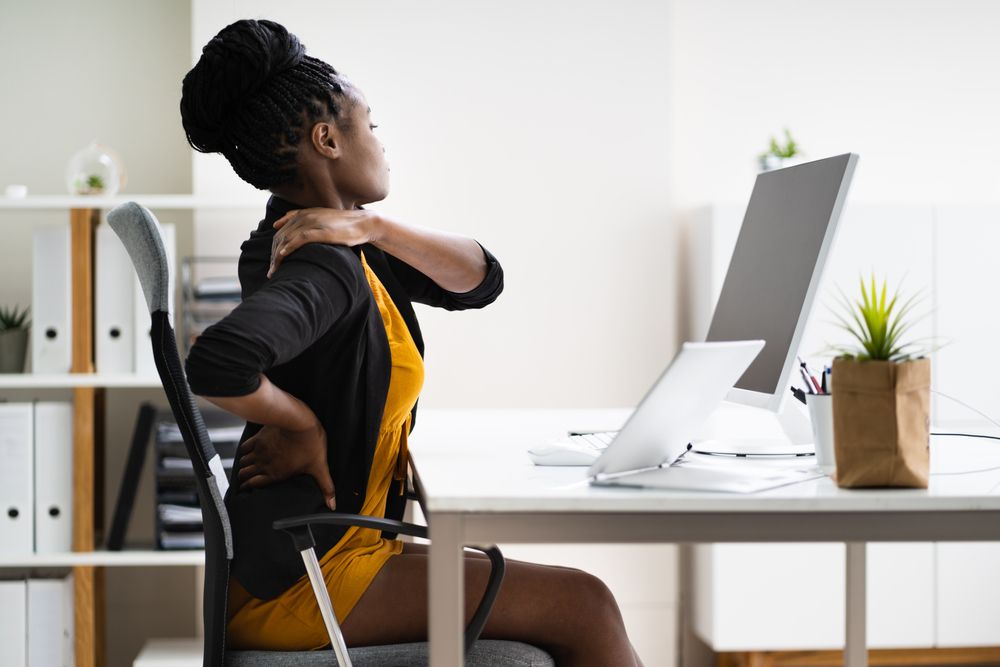
Most people of all ages deal with back pain at some point in their lives. Whether you work at a desk for hours, do hard physical work, or clean the house, the things you do every day have a big impact on your spine. Taking care of your back can help you feel better, move around better, and avoid injuries that last a long time. You can improve your spinal health at work and at home by making small changes to your routine.
Maintain Proper Sitting Posture
An awful lot of people spend most of their workday sitting, which can be very hard on the lower back. If you sit with a bad posture for a long time, your muscles and spine may get tired.
Pick a chair that cradles your lower back in a way that feels good. Make sure your knees are at a good angle, and your feet are flat on the floor. So you don’t have to lean forward or look down for long periods of time, your computer screen should be at eye level. Don’t slouch during the day, and remember to keep your shoulders loose.
Lift Objects the Right Way
Back injuries are most often caused by using the wrong way to lift something. The right way to lift is important whether you are moving office supplies or carrying groceries around the house.
Keep your back straight and bend your knees instead of your waist to squat. Lift the thing with your leg muscles while keeping it close to your body. When carrying heavy things, don’t twist your back, and if something feels too heavy, ask for help.
Stay Active Throughout the Day
Remaining in one position for hours can make your back stiff and uncomfortable. Even if your job requires sitting, regular movement helps keep your muscles flexible and improves circulation.
Take short breaks every hour to stand, stretch, or walk around. Simple activities such as shoulder rolls, gentle back stretches, and walking for a few minutes can help reduce muscle tension and improve posture.
Create a Back-Friendly Home Environment
Your home should support healthy movement just as much as your workplace. Arrange commonly used household items at waist height to minimize repeated bending or reaching. When cleaning, vacuuming, or gardening, switch positions frequently to avoid placing repeated stress on one side of your body.
Staying in one place for long amounts of time is not recommended if you like to read or watch TV. Changing positions and stretching often can help keep you from getting stiff.
Strengthen Your Core Muscles
Strong core muscles provide stability for your spine and reduce unnecessary pressure on your back. Incorporating exercises that strengthen your abdominal, back, and hip muscles can improve posture and reduce the likelihood of future pain.
Activities such as walking, swimming, yoga, and guided strength training are excellent choices for maintaining spinal health. Begin slowly and increase intensity as your fitness improves.
Pay Attention to Warning Signs
Occasional soreness after physical activity is common, but persistent or worsening pain should never be ignored. Pain that goes down to the legs, makes you feel numb, or gets in the way of your daily life could be a sign of a deeper problem that needs to be checked out by a doctor.
If you have been searching for a pain clinic near me, it may be time to consult qualified healthcare professionals who can perform a thorough assessment and recommend personalized treatment options based on the cause of your discomfort.
Manage Stress and Maintain a Healthy Lifestyle
Tension in muscles, especially in the neck, shoulders, and lower back, is often caused by stress. Better spinal health comes from doing things like learning how to relax, getting enough sleep, staying hydrated, and keeping a healthy weight.
A healthy, well-balanced diet high in calcium and vitamin D also helps keep bones strong and the muscles and joints healthy overall.
Conclusion
Protecting your back does not require major lifestyle changes. Consistently practicing good posture, lifting safely, staying physically active, strengthening your core, and creating an ergonomic environment at work and home can make a significant difference over time. If you pay attention to your body and deal with pain right away, you can keep small issues from turning into long-term ones. Taking care of your back every day can make your life more comfortable, help you move around better, and make you healthier and more active.
