Town Parade Planning For American Community Pride
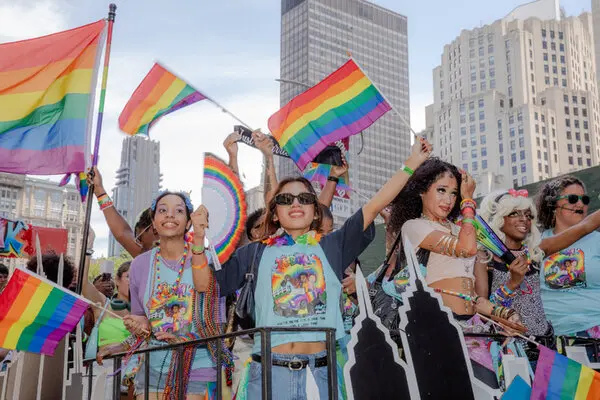
A town parade can bring residents together in a way few other public events can. Local schools, businesses, veterans, musicians, volunteer groups, families, and community organizations all have an opportunity to participate. When planning is organized and inclusive, a parade becomes more than a procession. It becomes a visible expression of local identity and community pride.
The first step is defining the purpose of the event. Some parades celebrate national holidays, seasonal traditions, local anniversaries, cultural heritage, or important community achievements. A clear theme helps participants design floats, choose music, prepare costumes, and create displays that feel connected.
Organizers exploring fresh community event ideas can use the parade theme to guide every major decision. The message should remain simple enough for residents of different ages and backgrounds to understand.
Create a planning committee with clearly assigned responsibilities. One group can manage permits and public safety, while others handle participants, sponsorships, entertainment, volunteers, communications, and cleanup.
Avoid placing every responsibility on one person. Large public events require many decisions, and shared leadership reduces confusion.
Begin planning several months before the parade date. Permit requirements, road closures, insurance, emergency services, and public property rules may require additional time.
Contact the appropriate local offices early. Requirements vary between communities, and organizers should not assume that procedures from a previous year remain unchanged.
Choose a route that is safe and accessible. Consider road width, traffic patterns, emergency access, public transportation, parking, sidewalks, intersections, and areas where spectators are likely to gather.
The route should be long enough to create a meaningful event without exhausting participants. Young children, older adults, marching groups, and animals may need shorter distances or planned rest areas.
Review the beginning and ending locations carefully. Participants need space to assemble before the parade and leave safely afterward.
People interested in creative local planning inspiration can make staging areas easier to understand through signs, color-coded zones, and clear arrival instructions.
Create a detailed participant application. Ask for the group name, contact information, number of participants, vehicle details, music plans, float dimensions, special equipment, and safety needs.
Set application deadlines early enough to organize the parade order. Late additions may create scheduling and space problems.
Develop clear participation rules. Explain expectations for Decorations, sound levels, vehicles, animals, signs, giveaways, and appropriate behavior.
Community events should remain welcoming. Establish standards that support respectful participation without unnecessarily limiting creativity.
Place parade entries in an order that creates variety. Avoid grouping every marching band, vehicle, or similar organization together.
Alternate music groups, community organizations, floats, youth participants, historic vehicles, and performance teams when possible.
Keep loud entries separated. Several bands or sound systems placed too close together may interfere with one another.
Consider the speed of each group. Slow-moving displays can create large gaps, while faster participants may catch up with entries ahead.
Assign parade marshals to help maintain spacing and answer questions along the route.
Organizers following popular community and cultural topics may notice growing interest in more interactive local celebrations.
Spectator participation can include decorating contests, themed clothing, community signs, or designated activity areas before the parade begins.
Children may enjoy creating handmade flags, banners, or neighborhood signs. Provide simple craft instructions before the event.
Local schools can contribute bands, athletic teams, clubs, dance groups, art projects, or student-designed floats.
Invite participation early because school calendars and transportation planning may affect availability.
Local businesses can support the event through sponsorships, decorated vehicles, employee groups, or community giveaways.
Keep sponsorship recognition balanced. A parade should not become a long sequence of advertisements.
Community organizations may represent history, public service, arts, education, health, recreation, and volunteer work.
Veterans groups, emergency responders, service clubs, libraries, and cultural organizations often provide meaningful participation.
People interested in sharing community stories and traditions may collect short histories from participating groups and include them in printed or digital event materials.
Select a grand marshal whose service or achievements connect with the community. The person may be a longtime educator, volunteer, local leader, artist, athlete, business owner, or respected resident.
Explain why the individual was selected. Personal stories create stronger connections than titles alone.
Entertainment should fit the route and audience. Marching bands, dance groups, drum teams, choirs, performers, and community musicians can add energy.
Confirm whether performers need sound equipment, transportation, electricity, or special staging.
Float safety requires careful attention. Decorations should not block driver visibility, cover lights, interfere with movement, or create unstable structures.
Use secure materials and inspect large displays before the event.
Vehicle operators should receive written route instructions and emergency contact information.
Avoid throwing hard objects into crowds. Giveaways should be distributed safely according to local rules.
Candy and small items can encourage children to enter the street. Consider handing items directly to spectators instead.
Weather planning is essential. Identify procedures for heat, rain, strong wind, storms, or other unsafe conditions.
Set a clear decision process for postponement or cancellation. Participants should know where official updates will appear.
Provide water for volunteers and participants, especially during warm weather.
Shade and rest areas can support older adults, children, and people with health or mobility needs.
Spectator areas should include accessible viewing locations. Avoid placing accessibility sections where signs, parked vehicles, or equipment block visibility.
Review restroom availability and add temporary facilities when needed.
Parking information should be shared before the event. Clearly identify closed roads, public lots, accessible spaces, shuttle services, and recommended arrival times.
Encourage residents near the route to plan around closures.
Public communication should begin several weeks before the parade. Share the date, route, start time, parking details, road restrictions, and safety reminders.
Use several communication methods so information reaches residents who do not follow the same platforms.
Volunteers are essential for staging, route guidance, information booths, cleanup, accessibility support, and emergency communication.
Provide training before the event rather than assigning responsibilities at the last minute.
Give volunteers visible identification such as shirts, badges, hats, or vests.
Create a written emergency plan. Identify medical stations, lost-child procedures, evacuation options, and communication contacts.
Work with local safety professionals when required.
After the final entry passes, cleanup should begin quickly. Assign teams to remove signs, collect litter, check public areas, and support reopening roads.
Provide enough waste and recycling containers along the route.
Thank participants, volunteers, sponsors, public employees, residents, and community partners after the event.
Collect feedback while the experience is still fresh. Ask what worked well and what should change before the next parade.
Keep organized records of permits, maps, contacts, schedules, costs, and lessons learned.
A successful town parade reflects the people who live there. Large floats and expensive entertainment can be exciting, but meaningful participation matters more.
When residents see their schools, traditions, organizations, workers, artists, and neighbors represented, the event creates a stronger sense of belonging.
With careful planning, clear communication, inclusive participation, and practical safety measures, American towns can create parades that celebrate local pride and become traditions for future generations.