Wellness Journal Ideas For American Daily Balance
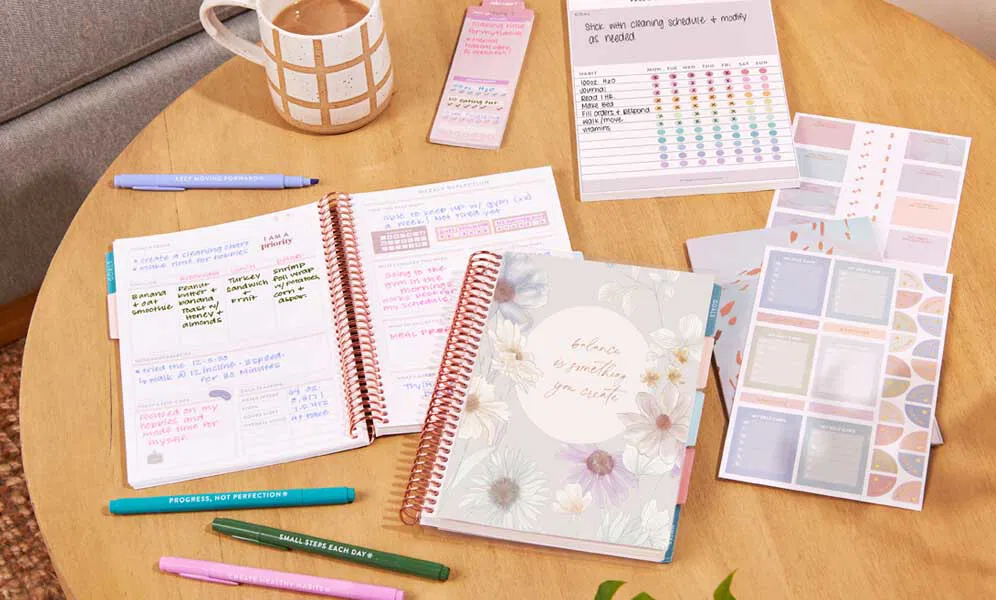
A wellness journal can help bring structure to busy days without turning personal health into another complicated project. Many American adults manage work, family schedules, household responsibilities, financial pressure, and constant digital communication at the same time. When every concern stays in the mind, it can become difficult to notice patterns or decide what needs attention first.
Journaling creates a private place to record thoughts, habits, goals, and small observations. It does not require perfect handwriting, long entries, or expensive supplies. A notebook, planner, printed page, or secure digital document may be enough.
The strongest journal is one that fits naturally into daily life. Some people write for ten minutes every evening. Others record only a few words in the morning. The purpose is not creating a polished diary. It is building awareness.
A calm and organized place can make the habit easier to maintain. People looking for practical household inspiration may explore home wellness and lifestyle ideas while creating a small writing area that feels comfortable and distraction-free.
Start With a Simple Daily Check-In
A wellness journal should be easy to open and easy to use.
Begin with a few questions:
- How do I feel today?
- How was my energy?
- What caused stress?
- What went well?
- What do I need tomorrow?
Short answers are enough.
A daily entry may include only three sentences.
For example:
“I felt tired during the afternoon. A short walk helped me focus. Tomorrow I will prepare lunch before work.”
This kind of entry records useful information without demanding too much time.
Consistency matters more than length.
Use a Morning Intention Page
Morning journaling can help create direction before the day becomes busy.
Write one intention.
Examples include:
- Move for twenty minutes
- Drink water during work
- Take a screen break
- Speak calmly during a difficult meeting
- Prepare dinner before the evening rush
An intention is different from a long task list.
It focuses on one meaningful behavior.
Avoid writing ten goals every morning.
Too many goals can create pressure.
Choose something realistic.
Create an Evening Reflection
An evening entry can help separate the day from bedtime.
Use prompts such as:
- What gave me energy?
- What drained my energy?
- What am I carrying into tomorrow?
- What can I release tonight?
Writing unfinished concerns may reduce the need to repeat them mentally.
The journal does not solve every problem.
It creates a place to organize thoughts.
Keep the routine short enough to continue.
Track Mood Without Judgment
Mood tracking can reveal patterns.
Use a simple scale.
For example:
1: Difficult day
2: Low energy
3: Average
4: Positive
5: Strong energy and mood
Add one sentence explaining the rating.
Avoid criticizing yourself for low scores.
The purpose is observation.
A difficult day is information, not failure.
Over several weeks, patterns may appear.
Mood may change with sleep, workload, social activity, exercise, or family stress.
Record Sleep Habits
Sleep affects energy and daily balance.
Create a small section for:
- Bedtime
- Wake time
- Nighttime interruptions
- Morning energy
Do not become overly focused on exact numbers.
Look for broad patterns.
A person may notice that late work messages affect bedtime.
Another may discover that afternoon caffeine makes sleep more difficult.
Use the journal to guide practical changes.
Create a Comfortable Writing Space
A dedicated area may improve consistency.
It can include:
- A small desk
- Comfortable seating
- Good lighting
- Journal supplies
- A quiet atmosphere
The space does not need to be large.
A corner of a bedroom or living room may work.
People interested in improving small household areas can explore practical ideas for upgrading home spaces.
Keep the journal visible if privacy allows.
A visible notebook can serve as a reminder.
Store it securely when entries contain personal information.
Add a Movement Tracker
Movement supports general wellness.
Track:
- Walking time
- Stretching
- Strength exercises
- Outdoor activity
Avoid using the journal to punish missed workouts.
Write what happened.
For example:
“Walked fifteen minutes after lunch.”
Simple records can show progress.
A person who feels inactive may discover that small amounts of movement happen more often than expected.
Record Stress Triggers
Stress may feel random.
Writing can reveal repeated triggers.
Possible examples include:
- Long commutes
- Unclear work expectations
- Late bills
- Household clutter
- Lack of sleep
- Constant notifications
Next to each trigger, write one possible response.
Example:
“Morning rushing creates stress. Prepare clothes at night.”
Focus on actions that are realistic.
Some stressors cannot be removed.
The journal can still help identify healthier responses.
Use a Gratitude Section Carefully
Gratitude journaling can help some people notice positive experiences.
Keep it specific.
Instead of writing “I am grateful for my family,” write:
“I appreciated the quiet conversation after dinner.”
Specific details feel more meaningful.
Do not use gratitude to ignore difficult emotions.
It is possible to appreciate something and still have a hard day.
Both experiences can be recorded honestly.
Include Outdoor Wellness Ideas
Time outside may support movement and mental recovery.
Use the journal to plan:
- Neighborhood walks
- Gardening
- Park visits
- Outdoor meals
- Quiet porch time
People interested in making outdoor areas more inviting can explore home exterior and outdoor living inspiration.
Record how outdoor time affects energy.
A short walk may improve mood.
A busy park may feel stressful.
Different people respond differently.
Create a Weekly Review
Once a week, read recent entries.
Look for:
- Repeated stress
- Positive habits
- Missed needs
- Improved routines
Ask:
“What should I continue?”
“What should I change?”
“What needs attention?”
Choose one adjustment.
Avoid redesigning the entire routine.
Small changes are easier to test.
Track Meals Without Creating Fear
Some adults find food notes useful.
Record:
- Meal timing
- Energy afterward
- Hunger
- Satisfaction
Avoid labeling foods as moral success or failure.
Write objectively.
For example:
“Skipped lunch and felt extremely hungry by dinner.”
The observation may encourage better preparation.
People with a history of disordered eating or anxiety around food may need a different approach and appropriate professional guidance.
Use a Family Wellness Page
Families can create shared wellness goals.
Examples include:
- Walk twice this week
- Eat dinner together
- Reduce evening screen time
- Plan one outdoor activity
Keep private journals separate.
A shared page should focus on household habits.
Do not use it to monitor or criticize family members.
The goal is cooperation.
Organize Journal Supplies
Keep supplies together.
Possible items include:
- Notebook
- Pens
- Calendar
- Habit tracker
- Sticky notes
People looking for broader organization ideas may explore home planning resources for everyday family routines.
A simple storage system saves time.
Avoid buying too many supplies before building the habit.
The journal itself matters more than decoration.
Write About Small Wins
Progress often appears in ordinary actions.
Examples include:
- Prepared lunch
- Took a walk
- Finished work on time
- Asked for help
- Went to bed earlier
Record these moments.
Small wins provide evidence that habits are changing.
They may also improve motivation during difficult weeks.
Avoid Turning the Journal Into Homework
A wellness journal should support daily balance.
It should not create guilt.
Skip a day when needed.
Return without trying to recreate every missed entry.
Do not force long writing.
A few honest lines may be more useful than several pages written under pressure.
Protect Privacy
Choose secure storage.
A paper journal may be placed in a private drawer.
Digital journals should use appropriate passwords.
Avoid sharing personal entries unless comfortable.
The journal belongs to the writer.
Privacy supports honesty.
Build a Habit That Fits Real Life
A useful wellness journal can be completed in five minutes.
Begin with:
- One mood rating
- One observation
- One small goal
Add more sections only when helpful.
The journal should make patterns clearer, not make life more complicated.
Daily balance grows through awareness.
Writing can reveal what improves energy, what creates stress, and which habits deserve more attention.
The strongest journal is not the most detailed. It is the one that remains honest, practical, and easy to return to during both calm and difficult weeks.