Lunch Box Ideas For American School Kids

Packing school lunches every weekday can become repetitive for both parents and children. Many American families start the school year with organized meal plans, but after several weeks, lunch boxes may return to the same sandwich, packaged snack, and piece of fruit. Children can lose interest, while parents struggle to find options that are affordable, nutritious, and quick to prepare.

A useful lunch routine does not require complicated recipes or expensive specialty foods. Variety can come from changing shapes, flavors, combinations, and presentation. Families can build a dependable collection of lunch ideas by using familiar ingredients in different ways.

Build Lunches Around Simple Food Groups

A balanced school lunch can include several basic parts:

  • A main food
  • Fruit or vegetables
  • A small snack
  • A drink
  • An optional treat

The main item may provide protein and carbohydrates, while fruit and vegetables add color and variety.

Parents can create a weekly lunch schedule instead of making decisions every morning. An AI writing tool for organizing family meal ideas may help create reusable menus, grocery reminders, and lunch preparation notes.

Keep the structure flexible. Children do not need identical portions because age, activity level, appetite, and school schedules differ.

Turkey and Cheese Pinwheels

Pinwheels create a different experience from ordinary sandwiches.

Place turkey, cheese, and lettuce inside a soft tortilla. Add a small amount of cream cheese or another spread.

Roll tightly and cut into several pieces.

Keep the lunch chilled with an ice pack.

Parents can change the ingredients by using chicken, vegetables, hummus, or different cheeses.

Small pieces are often easier for younger children to handle.

Homemade Mini Lunch Boxes

Create a homemade version of a snack-style lunch.

Use a divided container with:

  • Whole-grain crackers
  • Cheese cubes
  • Sliced turkey
  • Grapes
  • Cucumber pieces

Children can build their own cracker combinations.

This type of meal may feel more interactive than a regular sandwich.

Change one or two ingredients each week to prevent repetition.

Pasta Salad Cups

Cold pasta can become a filling school lunch.

Mix cooked pasta with:

  • Chopped vegetables
  • Cheese cubes
  • Chicken
  • Olive oil
  • Mild dressing

Keep ingredients simple when children prefer familiar flavors.

Use short pasta shapes that are easy to eat.

Prepare several portions during weekend meal preparation.

Chicken Quesadilla Slices

Quesadillas can be prepared the night before.

Add cheese and cooked chicken to a tortilla.

Cook until lightly browned.

Allow it to cool before packing.

Cut into small triangles.

Serve with salsa in a secure container when the school allows it.

Cold quesadillas can still taste good, making them useful for lunch boxes without reheating access.

Peanut-Free Sandwich Alternatives

Many schools limit peanut products because of allergies.

Families can use alternatives such as:

Sunflower seed butter

Cream cheese and fruit

Turkey and cheese

Hummus and vegetables

Chicken salad

Egg salad

Always review school food rules.

Avoid assuming that every classroom follows the same policy.

Breakfast for Lunch

Breakfast foods can create variety.

Possible lunch ideas include:

Mini pancakes

Waffles

Hard-boiled eggs

Fruit

Yogurt

Breakfast muffins

Pack syrup or yogurt dip in a small leak-resistant container.

Children may enjoy a breakfast-style meal because it feels different from regular lunch food.

Lifestyle publications featuring family food and everyday home ideas may also inspire new combinations for busy school weeks.

Homemade Pizza Bites

Use small flatbreads, English muffins, or mini bagels.

Add tomato sauce, cheese, and preferred toppings.

Bake until the cheese melts.

Allow the food to cool before packing.

Pizza bites may be eaten cold or at room temperature according to safe storage practices.

Add fruit and vegetables to complete the meal.

Chicken and Rice Cups

Cooked chicken and rice can become a simple lunch.

Add peas, corn, or mild seasoning.

Pack the mixture inside a temperature-controlled food container when serving warm.

Follow the container instructions carefully.

Preheat insulated food jars with hot water when recommended.

Fruit and Yogurt Lunch

Some children prefer lighter meals.

Pack:

Yogurt

Fresh fruit

Granola

A whole-grain muffin

Cheese

Keep yogurt chilled.

Store granola separately until eating time.

Use fruits that travel well, such as berries, grapes, apples, or melon.

Create a Weekly Lunch Rotation

A rotation reduces planning pressure.

For example:

Monday: turkey pinwheels

Tuesday: pasta salad

Wednesday: homemade snack box

Thursday: quesadilla slices

Friday: pizza bites

Change the menu the following week.

Families can keep several favorite meals in regular rotation.

Let Children Choose From Approved Options

Children may be more interested in meals they helped select.

Parents can provide choices rather than asking open-ended questions.

For example:

“Would you like turkey pinwheels or pasta tomorrow?”

“Would you like apples or grapes?”

This gives children control without making planning difficult.

Older children can help pack lunches.

Prepare Ingredients in Advance

Weekend preparation may include:

Washing fruit

Cutting vegetables

Baking muffins

Cooking pasta

Portioning crackers

Preparing hard-boiled eggs

Avoid preparing more food than the family can use safely.

Store ingredients correctly.

Label containers when necessary.

Use Leftovers Carefully

Some dinner leftovers can become school lunches.

Examples include:

Grilled chicken

Pasta

Rice

Vegetables

Pizza

Soup

Plan leftovers before serving dinner.

Set aside a lunch portion in a clean container rather than waiting until the meal ends.

This protects the portion and saves time.

Keep Food at Safe Temperatures

Lunch boxes may remain outside refrigeration for several hours.

Use insulated bags and cold packs for perishable foods.

Warm foods may require insulated containers.

Teach children to close containers securely.

Discard food that has remained unsafe for too long.

Food safety should be part of every lunch routine.

Choose Practical Containers

Good containers should be:

Easy to open

Leak-resistant

Durable

Simple to clean

Suitable for the child’s age

Test containers at home before sending them to school.

A lid that is difficult for an adult may be frustrating for a young child.

Avoid packing too many separate containers when lunch periods are short.

Organize a Lunch Preparation Area

Create one pantry basket for school lunch foods.

Possible items include:

Crackers

Snack bars

Dried fruit

Reusable bags

Napkins

Small containers

Create a refrigerator area for cheese, fruit, yogurt, and prepared items.

Families seeking better storage arrangements may explore home kitchen and organization ideas for practical inspiration.

Add Color Without Complicated Recipes

Colorful lunches often look more appealing.

Use:

Strawberries

Blueberries

Carrots

Cucumbers

Bell peppers

Grapes

Cheese

Different colors create variety even when ingredients remain simple.

Avoid forcing children to eat unfamiliar foods without gradual introduction.

Limit Excessive Packaging

Individually packaged foods save time but may cost more.

Families can buy larger packages and divide portions into reusable containers.

This may reduce waste and lower grocery costs.

Keep convenience products for especially busy days.

A balanced routine can include both homemade and packaged foods.

Consider School Lunch Time

Some schools provide limited time for eating.

Avoid meals that require complicated assembly.

Pack easy-to-open containers.

Cut food into manageable pieces.

Choose items that children can eat without extensive preparation.

Ask children whether they have enough time to finish.

Adjust portion sizes when needed.

Keep Lunch Boxes Clean

Empty lunch bags every day.

Wash containers.

Clean spills.

Allow lunch boxes to dry before closing.

Check reusable bottles regularly.

Food residue can create unpleasant odors.

A consistent cleaning routine protects food quality.

Teach Basic Lunch Safety

Children should understand simple rules.

They should avoid sharing food when allergy policies prohibit it.

They should keep food containers clean.

They should tell an adult when a container breaks or spills.

School environments can involve unexpected incidents, and families may find local accident and injury information useful when researching general support resources.

Keep the Routine Realistic

Parents do not need to create decorative lunches every day.

A simple turkey sandwich, fruit, yogurt, and crackers can be a useful meal.

Presentation may change occasionally, but daily perfection is unnecessary.

The strongest lunch system is one families can repeat.

Variety, safe storage, practical containers, and child participation can make school lunches more enjoyable.

American families can reduce morning stress by planning several dependable options, preparing ingredients in advance, and keeping lunch supplies organized.

Categories: General

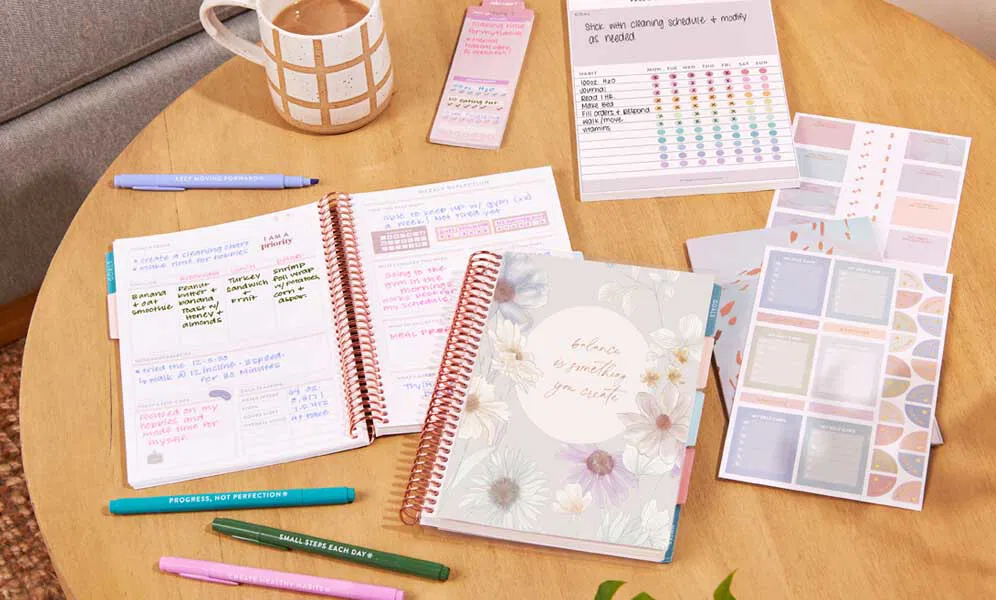
Wellness Journal Ideas For American Daily Balance

A wellness journal can help bring structure to busy days without turning personal health into another complicated project. Many American adults manage work, family schedules, household responsibilities, financial pressure, and constant digital communication at the same time. When every concern stays in the mind, it can become difficult to notice patterns or decide what needs attention first.

Journaling creates a private place to record thoughts, habits, goals, and small observations. It does not require perfect handwriting, long entries, or expensive supplies. A notebook, planner, printed page, or secure digital document may be enough.

The strongest journal is one that fits naturally into daily life. Some people write for ten minutes every evening. Others record only a few words in the morning. The purpose is not creating a polished diary. It is building awareness.

A calm and organized place can make the habit easier to maintain. People looking for practical household inspiration may explore home wellness and lifestyle ideas while creating a small writing area that feels comfortable and distraction-free.

Start With a Simple Daily Check-In

A wellness journal should be easy to open and easy to use.

Begin with a few questions:

  • How do I feel today?
  • How was my energy?
  • What caused stress?
  • What went well?
  • What do I need tomorrow?

Short answers are enough.

A daily entry may include only three sentences.

For example:

“I felt tired during the afternoon. A short walk helped me focus. Tomorrow I will prepare lunch before work.”

This kind of entry records useful information without demanding too much time.

Consistency matters more than length.

Use a Morning Intention Page

Morning journaling can help create direction before the day becomes busy.

Write one intention.

Examples include:

  • Move for twenty minutes
  • Drink water during work
  • Take a screen break
  • Speak calmly during a difficult meeting
  • Prepare dinner before the evening rush

An intention is different from a long task list.

It focuses on one meaningful behavior.

Avoid writing ten goals every morning.

Too many goals can create pressure.

Choose something realistic.

Create an Evening Reflection

An evening entry can help separate the day from bedtime.

Use prompts such as:

  • What gave me energy?
  • What drained my energy?
  • What am I carrying into tomorrow?
  • What can I release tonight?

Writing unfinished concerns may reduce the need to repeat them mentally.

The journal does not solve every problem.

It creates a place to organize thoughts.

Keep the routine short enough to continue.

Track Mood Without Judgment

Mood tracking can reveal patterns.

Use a simple scale.

For example:

1: Difficult day

2: Low energy

3: Average

4: Positive

5: Strong energy and mood

Add one sentence explaining the rating.

Avoid criticizing yourself for low scores.

The purpose is observation.

A difficult day is information, not failure.

Over several weeks, patterns may appear.

Mood may change with sleep, workload, social activity, exercise, or family stress.

Record Sleep Habits

Sleep affects energy and daily balance.

Create a small section for:

  • Bedtime
  • Wake time
  • Nighttime interruptions
  • Morning energy

Do not become overly focused on exact numbers.

Look for broad patterns.

A person may notice that late work messages affect bedtime.

Another may discover that afternoon caffeine makes sleep more difficult.

Use the journal to guide practical changes.

Create a Comfortable Writing Space

A dedicated area may improve consistency.

It can include:

  • A small desk
  • Comfortable seating
  • Good lighting
  • Journal supplies
  • A quiet atmosphere

The space does not need to be large.

A corner of a bedroom or living room may work.

People interested in improving small household areas can explore practical ideas for upgrading home spaces.

Keep the journal visible if privacy allows.

A visible notebook can serve as a reminder.

Store it securely when entries contain personal information.

Add a Movement Tracker

Movement supports general wellness.

Track:

  • Walking time
  • Stretching
  • Strength exercises
  • Outdoor activity

Avoid using the journal to punish missed workouts.

Write what happened.

For example:

“Walked fifteen minutes after lunch.”

Simple records can show progress.

A person who feels inactive may discover that small amounts of movement happen more often than expected.

Record Stress Triggers

Stress may feel random.

Writing can reveal repeated triggers.

Possible examples include:

  • Long commutes
  • Unclear work expectations
  • Late bills
  • Household clutter
  • Lack of sleep
  • Constant notifications

Next to each trigger, write one possible response.

Example:

“Morning rushing creates stress. Prepare clothes at night.”

Focus on actions that are realistic.

Some stressors cannot be removed.

The journal can still help identify healthier responses.

Use a Gratitude Section Carefully

Gratitude journaling can help some people notice positive experiences.

Keep it specific.

Instead of writing “I am grateful for my family,” write:

“I appreciated the quiet conversation after dinner.”

Specific details feel more meaningful.

Do not use gratitude to ignore difficult emotions.

It is possible to appreciate something and still have a hard day.

Both experiences can be recorded honestly.

Include Outdoor Wellness Ideas

Time outside may support movement and mental recovery.

Use the journal to plan:

  • Neighborhood walks
  • Gardening
  • Park visits
  • Outdoor meals
  • Quiet porch time

People interested in making outdoor areas more inviting can explore home exterior and outdoor living inspiration.

Record how outdoor time affects energy.

A short walk may improve mood.

A busy park may feel stressful.

Different people respond differently.

Create a Weekly Review

Once a week, read recent entries.

Look for:

  • Repeated stress
  • Positive habits
  • Missed needs
  • Improved routines

Ask:

“What should I continue?”

“What should I change?”

“What needs attention?”

Choose one adjustment.

Avoid redesigning the entire routine.

Small changes are easier to test.

Track Meals Without Creating Fear

Some adults find food notes useful.

Record:

  • Meal timing
  • Energy afterward
  • Hunger
  • Satisfaction

Avoid labeling foods as moral success or failure.

Write objectively.

For example:

“Skipped lunch and felt extremely hungry by dinner.”

The observation may encourage better preparation.

People with a history of disordered eating or anxiety around food may need a different approach and appropriate professional guidance.

Use a Family Wellness Page

Families can create shared wellness goals.

Examples include:

  • Walk twice this week
  • Eat dinner together
  • Reduce evening screen time
  • Plan one outdoor activity

Keep private journals separate.

A shared page should focus on household habits.

Do not use it to monitor or criticize family members.

The goal is cooperation.

Organize Journal Supplies

Keep supplies together.

Possible items include:

  • Notebook
  • Pens
  • Calendar
  • Habit tracker
  • Sticky notes

People looking for broader organization ideas may explore home planning resources for everyday family routines.

A simple storage system saves time.

Avoid buying too many supplies before building the habit.

The journal itself matters more than decoration.

Write About Small Wins

Progress often appears in ordinary actions.

Examples include:

  • Prepared lunch
  • Took a walk
  • Finished work on time
  • Asked for help
  • Went to bed earlier

Record these moments.

Small wins provide evidence that habits are changing.

They may also improve motivation during difficult weeks.

Avoid Turning the Journal Into Homework

A wellness journal should support daily balance.

It should not create guilt.

Skip a day when needed.

Return without trying to recreate every missed entry.

Do not force long writing.

A few honest lines may be more useful than several pages written under pressure.

Protect Privacy

Choose secure storage.

A paper journal may be placed in a private drawer.

Digital journals should use appropriate passwords.

Avoid sharing personal entries unless comfortable.

The journal belongs to the writer.

Privacy supports honesty.

Build a Habit That Fits Real Life

A useful wellness journal can be completed in five minutes.

Begin with:

  • One mood rating
  • One observation
  • One small goal

Add more sections only when helpful.

The journal should make patterns clearer, not make life more complicated.

Daily balance grows through awareness.

Writing can reveal what improves energy, what creates stress, and which habits deserve more attention.

The strongest journal is not the most detailed. It is the one that remains honest, practical, and easy to return to during both calm and difficult weeks.

Categories: General

Tags:

Library Program Ideas For American Local Families

Public libraries provide far more than shelves of books. Across the United States, local libraries support reading, technology access, family learning, career preparation, creative activities, and community connections. Well-planned programs can give children and adults affordable opportunities to learn together without adding major costs to the household budget.

Families often overlook library events because they assume programs are limited to story time. In reality, many libraries offer activities for babies, school-age children, teenagers, parents, job seekers, older adults, and entire households. Families can review practical family activity guides while building a monthly schedule that includes educational and community events.

The most useful library programs are accessible, welcoming, and connected to local interests. A successful schedule should include activities for different ages while leaving enough flexibility for families with school, work, sports, and other responsibilities.

Create Engaging Early Reading Programs

Story programs remain one of the most valuable services for young children.

Libraries can organize weekly sessions around themes such as animals, seasons, transportation, friendship, nature, colors, or family traditions.

Each program may include:

Picture books

Songs

Rhymes

Movement activities

Simple crafts

Vocabulary games

Short conversations

Young children often learn best through repetition. Familiar opening and closing songs can make programs feel comfortable.

Sessions should remain short enough for the age group.

Toddlers may benefit from movement between stories.

Preschool children may participate in simple questions and predictions.

Parents should be encouraged to join rather than remain separate from the activity.

Family participation helps adults learn reading techniques they can continue at home.

Libraries can prepare take-home reading lists connected to each theme.

Simple activity pages may also help families continue learning after the program.

Ideas from community learning and family blogs may support broader planning for reading activities and educational routines.

Organize Family Reading Challenges

Reading challenges can encourage participation across several weeks or months.

Families may record books, reading minutes, library visits, or completed activities.

Programs should allow different types of reading.

Participants may choose:

Picture books

Chapter books

Graphic novels

Magazines

Audiobooks

Biographies

Informational books

Poetry

Digital books

The goal should be regular reading rather than competition alone.

Young children can participate through books read aloud by adults.

Older children may record independent reading.

Parents can join and model the habit.

Libraries may provide simple progress charts.

Small rewards can recognize participation.

Rewards do not need to be expensive.

Bookmarks, certificates, activity passes, donated items, or special library privileges may encourage involvement.

A final celebration can include family activities, book discussions, or student presentations.

Programs should recognize effort without creating pressure for children who read at different speeds.

Develop Homework and Study Support

Libraries can provide quiet spaces and academic assistance for students.

Homework programs may include scheduled support from staff members, volunteers, college students, or community educators.

Students may need help with:

Reading

Writing

Mathematics

Science

Research

Study organization

Project planning

Technology

Support should guide students without completing assignments for them.

Libraries can provide reference materials and explain how to locate reliable information.

Study skill workshops may teach note-taking, time management, test preparation, and project organization.

Older students can use group study rooms when available.

Clear rules can help maintain a productive environment.

Libraries may also create supply stations with paper, pencils, rulers, and other basic tools.

Families looking for broader educational assistance may use helpful home and learning support services while building routines that support school responsibilities.

Offer Technology Learning Activities

Technology programs can support children, parents, and older adults.

Beginner sessions may explain:

Computer basics

Email use

Online safety

Digital documents

Video meetings

Internet research

Library databases

Digital borrowing

Programs should use simple language.

Participants need time to practice.

Children may enjoy coding activities, robotics demonstrations, digital art, or game design.

Teenagers may be interested in website development, photography, video editing, or technology careers.

Parents may benefit from workshops about school platforms and family technology settings.

Older adults may need help using phones, tablets, online appointments, or communication tools.

Privacy should be discussed during every technology program.

Participants should understand password safety and suspicious messages.

Libraries can provide printed instructions for home use.

Create Science and Discovery Programs

Hands-on activities can make science more accessible.

Libraries may organize simple experiments using safe materials.

Possible themes include:

Weather

Plants

Space

Sound

Light

Magnets

Water

Engineering

Recycling

Animal habitats

Children can make predictions and record observations.

Activities should match age levels.

Safety instructions must remain clear.

Libraries can invite local educators, science students, hobby groups, or community professionals to provide demonstrations.

Engineering challenges may involve building towers, bridges, paper airplanes, or protective containers.

Programs should encourage more than one solution.

Children can explain their designs and discuss improvements.

Science activities become stronger when connected to books.

A display can include related titles for families to borrow.

Plan Creative Art and Craft Sessions

Art programs allow families to create together.

Libraries may offer drawing, painting, paper crafts, collage, sculpture, photography, or seasonal projects.

Activities should use affordable materials.

Recycled cardboard, paper, fabric pieces, safe containers, and donated supplies may reduce costs.

Programs can focus on creativity rather than producing identical projects.

Participants should have choices.

A theme may be shared while colors, designs, and details remain open.

Older students may enjoy graphic design, comics, photography, or portfolio activities.

Adults may participate in painting groups, craft circles, or beginner workshops.

Family art days can include several activity stations.

Libraries should explain whether registration is required.

Materials should be prepared before the program begins.

Creative work may be displayed with participant permission.

Support Teen Programs and Leadership

Teenagers need library activities designed specifically for their interests.

Programs may include:

Book clubs

Creative writing

Coding

Gaming

Career discussions

Volunteer projects

Photography

Film discussions

Art workshops

College preparation

Study groups

Teen advisory groups can help plan events.

Students may recommend books, suggest activities, prepare displays, or support younger children.

Leadership opportunities can build communication and responsibility.

Teen volunteers may assist with summer reading programs.

Clear expectations should be provided.

Libraries should create spaces where teenagers feel welcome without disturbing other visitors.

Programs should balance social interaction with learning.

Teen voices should influence activity planning.

Provide Career and Financial Learning Programs

Libraries can support adults and older students preparing for work.

Workshops may cover:

Resume writing

Job searching

Interview preparation

Basic budgeting

Career exploration

Professional communication

Digital applications

Workplace technology

Local professionals may participate as speakers.

Programs should provide practical information without promising employment.

Participants may need access to computers and printers.

Individual appointments can support people who need more guidance.

College and training information sessions may help families compare education paths.

Financial learning programs can explain basic household budgeting, saving, and responsible planning.

Information should remain clear and suitable for different experience levels.

Organize Community Culture Events

Libraries can celebrate local culture through educational events.

Programs may include:

Local history discussions

Family heritage projects

Author visits

Music performances

Community storytelling

Language activities

Cultural art displays

Neighborhood photography

Local organizations may contribute speakers or materials.

Events should represent the community respectfully.

Families may share traditions voluntarily.

Children can create history projects or interview relatives.

Local history displays may encourage residents to explore their neighborhoods.

Community events can strengthen connections among people who may not meet in other settings.

Useful family education and community media may provide additional inspiration for local learning activities.

Make Programs Easier for Families to Attend

Strong programs need clear communication.

Libraries should publish schedules early.

Information should include:

Date

Time

Age group

Registration details

Cost when applicable

Materials

Location

Accessibility information

Families need reminders.

Email, printed calendars, social updates, school communication, and library displays may help.

Programs should be scheduled at different times when possible.

Working families may need evening or weekend options.

Registration should remain simple.

Waiting lists can help fill cancelled spaces.

Libraries should collect feedback after programs.

Short surveys may reveal preferred times, topics, and age groups.

Encourage Regular Library Use

Families should view the library as an ongoing resource rather than a place visited only for school assignments.

A monthly visit can become part of the household routine.

Children may choose books while parents explore learning materials, activities, or community information.

Families can check event calendars together.

Regular participation helps children become comfortable asking questions and locating resources.

Libraries offer valuable opportunities without requiring expensive memberships or equipment.

Reading programs, technology workshops, creative activities, career support, and community events can serve families at many stages of life.

The strongest local programs respond to real community needs. When libraries combine welcoming spaces with practical activities, families gain access to education, creativity, and connection throughout the year.

Categories: General

Tablet Buying Tips For American School Families

Tablets have become useful learning tools for many American families. Students may use them for reading, homework, educational applications, video lessons, research, note-taking, and communication with teachers. A tablet can also support entertainment, travel, and family organization outside school hours.

Choosing the right device can be difficult because models vary in price, size, storage, operating systems, accessories, and performance. The most expensive tablet is not always the best choice for a student. A practical device should match school requirements, work reliably with necessary applications, and remain useful for several years.

Families should begin by identifying how the tablet will be used. A young child completing reading activities has different needs than a high school student writing reports or attending online classes. Clear priorities can prevent overspending and reduce the chance of buying a device that does not support required schoolwork.

Check School Technology Requirements

Before purchasing a tablet, ask whether the school recommends a specific operating system, application, browser, or device type.

Some schools provide online learning platforms that work better on certain systems.

Others may require applications that are unavailable on every tablet.

Families should also check whether the school already provides student devices.

Purchasing another tablet may be unnecessary when a school-issued computer meets educational needs.

Ask teachers whether assignments require a physical keyboard, specialized software, printing, external storage, or video meetings.

A tablet that works well for reading may not be suitable for advanced programs.

Understanding school requirements before shopping can prevent compatibility problems later.

Set a Realistic Budget

Tablet prices range from basic entry-level models to premium devices that cost as much as laptops.

Create a complete budget before comparing products.

Include a protective case, screen protector, keyboard, stylus, charger, warranty coverage, and possible subscription costs.

A low-priced tablet may require additional accessories.

A higher-priced model may include better performance or longer software support.

Families should compare total ownership cost rather than focusing only on the advertised price.

People planning family technology projects at home may also want to include device storage, charging areas, and internet improvements in the budget.

Choose the Right Screen Size

Screen size affects comfort, portability, and price.

Smaller tablets are easier for children to hold and convenient for travel.

Larger displays may be better for reading documents, watching lessons, writing notes, and using several applications.

However, a large tablet can become heavy when held for long periods.

Students who carry the device between school and home should consider weight.

Families can test display sizes in person when possible.

A screen should feel large enough for educational content without making the device difficult to transport.

Compare Storage Capacity

Applications, videos, photographs, school files, games, and operating system updates all require storage.

A low-capacity tablet may become full quickly.

Families should estimate how much information will remain on the device.

Cloud storage can reduce local storage needs, but reliable internet access may be required.

Some tablets allow removable memory cards.

Others do not.

Check whether storage can be expanded before purchasing.

Students who create videos, artwork, or large projects may need more capacity.

Deleting files constantly can become inconvenient during the school year.

Review Battery Life

A student may need the tablet throughout a full school day.

Battery life depends on screen brightness, video use, applications, wireless connections, and device age.

Manufacturer estimates may not match real use.

Look for dependable everyday performance.

A tablet that requires frequent charging may become difficult to use during classes.

Families should also consider charging time.

Fast charging can be helpful when the device is used heavily.

Students should begin the day with a charged battery and carry approved charging equipment when necessary.

Consider a Keyboard

Touchscreen keyboards are useful for short messages.

Long assignments may be easier with a physical keyboard.

Students who write essays, complete research projects, or use productivity applications may benefit from a keyboard case.

Check compatibility before purchasing.

Some tablets support official accessories.

Others work with standard wireless keyboards.

Consider key size, comfort, connection reliability, and total weight.

A keyboard may allow a tablet to handle more school tasks, but it does not always provide the full capability of a laptop.

Advice from experienced home and education technology professionals may help families choose accessories suited to study spaces and student routines.

Decide Whether a Stylus Is Useful

A stylus can support handwriting, drawing, mathematics, annotation, design, and creative projects.

Not every student needs one.

Some tablets support basic touch pens.

Others work with advanced pressure-sensitive accessories.

Check whether the stylus is included or sold separately.

Review charging requirements and replacement costs.

Younger children may benefit from simple drawing tools.

Older students may use handwriting features for organized notes.

Families should avoid paying for premium stylus technology when school activities do not require it.

Check Camera and Microphone Quality

Tablets may be used for online classes, video meetings, recorded presentations, and communication with teachers.

A clear front camera and dependable microphone can improve these activities.

High camera specifications are not always necessary.

Good lighting often matters more.

Students should position the tablet securely during calls.

A basic stand may improve camera angle.

Headphones with a microphone can reduce background noise in shared homes.

Before an important class, test the camera, sound, and internet connection.

Consider Parental Controls

Families with younger children should review parental control features.

Useful settings may include application approval, screen time limits, content restrictions, purchase controls, and activity reports.

Parents should test these settings after setup.

Do not assume default controls match household expectations.

Children should understand family rules for internet use.

Technology controls work best when combined with regular discussion.

Parents can explain privacy, online behavior, advertising, and safe communication.

A tablet should support learning without providing unrestricted access to inappropriate content.

Review Software Update Support

Tablets require operating system and security updates.

A very old or heavily discounted model may receive limited future support.

Check the manufacturer’s update history.

Longer software support can increase useful device life.

Applications may eventually stop working on outdated systems.

Security updates are especially important when tablets contain school accounts, family photographs, email, or payment information.

A slightly more expensive model may provide better long-term value when support lasts longer.

Families developing modern home study environments should consider software life alongside furniture, internet access, and device storage.

Check Application Availability

Educational applications are not available on every operating system.

Review required school platforms before purchasing.

Check whether popular productivity, reading, communication, and video applications work correctly.

Some tablet versions of desktop programs include fewer features.

Students completing advanced work may need a laptop instead.

Families should not assume that an application with the same name provides identical functions on every device.

Testing important services before the return period ends can prevent long-term problems.

Think About Durability

Student devices may experience drops, spills, crowded backpacks, and daily travel.

A strong protective case can reduce damage.

Younger children may benefit from thick cases with handles.

Older students may prefer lighter designs.

Use a screen protector when appropriate.

Avoid placing heavy books on top of the tablet.

Keep drinks away during use.

Teach children to carry the device securely.

A durable setup can extend device life and reduce repair expenses.

Compare Warranty and Repair Options

Standard warranties often cover manufacturing problems but not accidental damage.

Review coverage carefully.

Extended protection may include drops, spills, or screen damage.

Compare plan cost with device value.

Check repair locations and service time.

Some inexpensive tablets may cost almost as much to repair as to replace.

Families should understand the process before purchasing coverage.

Keep receipts and device information in an organized location.

Protect Student Privacy

Tablets may contain school accounts, photographs, messages, files, and personal information.

Use a strong screen lock.

Enable device-location tools.

Keep software updated.

Install applications only from trusted stores.

Review application permissions.

Parents should teach students not to share passwords.

Public WiFi should be used carefully.

A lost tablet should be reported quickly.

Account passwords may need to be changed when recovery is uncertain.

Create a Dedicated Charging Area

Family devices are easier to manage when they have a regular charging location.

Choose an area away from water and heavy foot traffic.

Use dependable charging equipment.

Label cables when several devices are present.

Avoid placing tablets under pillows or blankets while charging.

A central charging location can also support household screen-time rules.

Some families keep devices outside bedrooms overnight.

Readers exploring practical family home organization ideas may combine charging storage with homework areas and shared technology spaces.

Compare Tablets With Laptops

A tablet may be ideal for reading, videos, applications, drawing, and light schoolwork.

A laptop may be better for long writing assignments, advanced software, programming, complex spreadsheets, or multiple windows.

Some families try to replace a laptop with a tablet and expensive accessories.

Compare total cost.

A basic laptop may provide stronger academic capability at a similar price.

The correct choice depends on the student’s courses.

A tablet can complement a computer without replacing it.

Avoid Buying Only for Entertainment

Children may focus on games and videos when discussing tablets.

Families should prioritize educational and practical requirements.

Entertainment can remain part of the device, but it should not determine the entire purchase.

Check storage use.

Games may require large downloads.

Set clear expectations before setup.

A device chosen for school should remain available for assignments.

Separate user profiles may help when the tablet is shared.

Plan for Shared Family Use

One tablet may serve several household members.

Create separate profiles when supported.

Use individual accounts for schoolwork.

Protect private files.

Set clear charging and usage schedules.

Shared devices require more storage and careful organization.

Parents should understand which applications belong to each child.

A simple family plan can reduce conflict.

Make the Final Decision Based on Long-Term Value

The best tablet for an American school family is not automatically the newest model.

It should support required applications, provide enough storage, maintain dependable battery life, and receive software updates.

Accessories should match real school needs.

Durability matters.

Privacy and parental controls matter.

Families should compare total cost with expected years of use.

A well-chosen tablet can support learning, creativity, reading, communication, and organization.

Careful planning creates more value than buying quickly during a sale.

A dependable device that fits the student’s daily work will remain useful long after the excitement of opening the box disappears.

Categories: General

Theme Park Planning For American Family Trips

Theme park vacations can create some of the happiest family memories, but they can also become expensive, tiring, and difficult when planning begins too late. Large parks may include dozens of attractions, long walking distances, crowded restaurants, changing ride schedules, and several ticket options. Families who arrive without a clear plan often spend more time waiting and deciding than enjoying the experience.

Good planning does not mean creating a strict schedule for every minute. It means preparing the important details before arrival while leaving enough flexibility for weather, children’s energy levels, and unexpected changes. American families can enjoy more attractions and reduce stress by choosing suitable travel dates, understanding park systems, and setting realistic expectations.

Choose The Right Theme Park

Every theme park offers a different experience.

Some focus on large thrill rides, while others are designed around younger children, movies, animals, water attractions, or live entertainment.

Parents should consider the ages, heights, interests, and comfort levels of every traveler.

A park filled with intense roller coasters may not provide good value for families with small children. A park designed mainly for younger visitors may not satisfy teenagers.

Families should review attraction requirements before purchasing tickets.

Height restrictions can affect which rides children may enter.

Parents should also look at entertainment, character experiences, playgrounds, and quieter attractions.

A balanced park provides options for everyone.

Select Travel Dates Carefully

Theme parks are often busiest during school vacations, major holidays, and summer weekends.

Crowds may create longer waits and higher accommodation prices.

Families with flexible schedules can compare different travel periods.

Weekday visits may feel calmer than weekends.

Traveling shortly before or after the busiest vacation periods may also reduce costs.

Weather should remain part of the decision.

Hot summer afternoons can become tiring, especially for younger children.

Cooler months may provide more comfortable walking conditions.

Families should consider local events because special festivals may attract additional visitors.

Compare Ticket Options

Theme park tickets may include one-day admission, multi-day passes, special event access, or options for visiting several parks.

Families should compare the total cost before purchasing.

A multi-day ticket may provide better value when travelers want a slower schedule.

However, paying for several days makes little sense when the family has limited time.

Optional upgrades should be evaluated carefully.

Some services reduce waiting, while others provide benefits the family may not use.

Parents should avoid buying every available extra.

The best ticket is the one that matches the actual vacation plan.

Book Accommodation In A Convenient Location

A hotel close to the park may cost more but reduce transportation time.

Families should compare parking, transportation, breakfast, room size, and travel distance.

Some hotels provide park transportation.

Others may require families to drive and pay for daily parking.

A lower room price can lose value when long travel times are added.

Parents should also consider rest.

Young children may benefit from returning to the hotel during the afternoon.

A nearby property makes breaks easier.

Families should confirm hotel check-in and departure times before arrival.

Download Important Park Information

Many theme parks use mobile applications for maps, attraction schedules, dining reservations, and ticket access.

Families should download required information before reaching the entrance.

Phones should be charged during the night.

Portable chargers can help during long park days.

Travelers should also save screenshots of tickets and reservations.

Anyone experiencing difficulty accessing a travel or attraction account may find help with online login problems useful before departure.

Important information should not remain available through only one device.

Parents may share copies with another adult.

Create A Flexible Attraction List

Families should select several priority attractions before arrival.

Each traveler may choose one or two experiences.

This approach helps everyone feel included.

However, the list should not become a strict requirement.

Ride closures, long waits, weather, and changing energy levels may affect plans.

Families should separate attractions into priorities and optional choices.

Completing the most important experiences early can reduce disappointment.

Parents should also identify indoor attractions that may provide relief during hot or rainy weather.

Arrive Before The Busiest Hours

Early arrival often provides shorter attraction waits.

Families should review opening procedures and transportation time.

Parking, security checks, and walking to the entrance may require more time than expected.

Preparing clothing and bags the night before can create a calmer morning.

Breakfast should remain simple.

Parents should avoid beginning the day with unnecessary rushing.

Early hours may be useful for popular attractions.

Later, families can focus on shows, meals, and less crowded areas.

Prepare For Heat And Weather

Outdoor theme parks may involve many hours of walking.

Families should bring suitable clothing, comfortable shoes, sun protection, and refillable water bottles.

Weather can change during the day.

Light rain protection may be useful.

Hot conditions require regular breaks.

Children may not recognize fatigue until they become uncomfortable.

Parents should encourage water and quiet periods.

A shaded meal or indoor attraction can provide useful recovery time.

Families should not treat rest as wasted vacation time.

Pack A Small Family Health Kit

Theme park days may involve heat, crowds, air conditioning, changing weather, and long hours outdoors.

Parents should bring regularly used medicines and basic personal supplies.

Families preparing for possible throat discomfort can review a practical guide to sore throat medicines before traveling.

Tissues, bandages, personal care items, and water should remain easy to reach.

The bag should stay light.

Parents should avoid carrying unnecessary products throughout the park.

Essential medicines should remain secure and follow current attraction policies.

Manage Recurring Throat Concerns Before Traveling

Ongoing health concerns should be considered before a busy vacation.

A theme park schedule may include long days away from familiar stores and services.

Travelers seeking general information about recurring tonsil concerns may review tonsil stone treatment guidance during trip preparation.

Necessary personal products should be packed before departure.

Travelers should avoid waiting until symptoms become uncomfortable.

Persistent concerns should receive suitable attention before travel.

Preparation can help families focus on the experience rather than searching for supplies.

Plan Meals Before Hunger Becomes A Problem

Theme park restaurants may become crowded during popular meal periods.

Families should review dining options before arrival.

Children may become frustrated when meals are delayed.

Parents can schedule food slightly earlier or later than the busiest times.

Simple snacks can support energy between meals.

Families should confirm outside food policies.

Restaurant reservations may be required for popular locations.

However, every meal does not need to become a major event.

A quick meal may provide more time for attractions.

Set A Realistic Daily Budget

Theme park spending extends beyond admission.

Parking, meals, souvenirs, snacks, photos, games, and special activities can increase the total cost.

Families should create a daily spending plan.

Children may receive a fixed souvenir amount.

This reduces repeated purchasing decisions.

Parents should compare prices before buying large items.

Many experiences are already included with admission.

Families do not need to purchase every extra to enjoy the day.

A clear budget protects the rest of the vacation.

Use Breaks To Protect Family Energy

Long park days can affect both children and adults.

Families should watch for signs of tiredness.

Short breaks may prevent larger problems later.

A quiet show, shaded bench, relaxed meal, or hotel visit can restore energy.

Parents should avoid pushing children through several attractions when they are exhausted.

The goal is creating enjoyable memories.

Completing fewer attractions with a positive mood may provide greater value than rushing through a long list.

Review Regional Conditions Before Departure

Weather, transportation, and local events may affect the journey.

Families should review current conditions before leaving.

Travelers considering northern routes or nearby Canadian destinations may follow Ontario regional news and travel information while organizing a broader vacation.

Current planning information can help families prepare for delays.

Official park notices should remain the main source for attraction schedules and operating changes.

Families should also check road conditions when driving.

Protect Children In Crowded Areas

Parents should discuss what children should do if separated.

Young travelers may carry simple contact information.

Families should identify meeting locations.

Children should understand that park employees can provide help.

Parents may photograph children’s clothing at the beginning of the day.

Bright clothing can make family members easier to identify.

Crowded areas require attention.

Adults should avoid becoming distracted by phones while moving between attractions.

Clear communication improves safety.

End The Day Without Unnecessary Stress

Families should not wait until everyone becomes exhausted before leaving.

Transportation back to the hotel may require additional time.

Parking areas can become crowded after major evening events.

Parents should prepare children for the departure process.

Souvenirs and belongings should be checked before leaving.

A relaxed return helps protect sleep.

Families planning another park day should avoid arriving at the hotel too late.

Rest improves the next morning.

Theme park vacations work best when families prepare the important details but remain flexible.

By choosing suitable attractions, managing the budget, planning meals, and allowing regular breaks, American families can spend less time solving problems and more time enjoying the experience together.

Categories: Travel

Money Management Habits For USA Newlyweds

Marriage combines more than households and future plans. It also brings income, bills, savings goals, debt, spending habits, and financial expectations into one shared system.

Money Management Habits For USA Newlyweds should encourage honest communication without making every conversation feel like a financial meeting. Couples need a simple plan for paying bills, saving money, managing personal spending, and preparing for future goals.

Newlyweds may compare local services, household providers, and nearby businesses through regional business listings while building their new routines. However, strong financial habits begin with understanding each partner’s income, responsibilities, and priorities.

The goal is not to make both people spend money in exactly the same way. A successful household system creates clear expectations while allowing reasonable personal freedom.

Discuss Financial Information Openly

Couples need a complete view of household finances.

Income, debt, savings, credit accounts, regular bills, and financial obligations should be discussed honestly.

Share Current Financial Responsibilities

List monthly income, required payments, subscriptions, insurance costs, and personal financial commitments.

Do not hide debt or important expenses.

Clear information helps couples make decisions based on the complete household picture.

Discuss Different Spending Habits

One partner may enjoy saving, while the other prefers spending on experiences or convenience.

Different habits do not automatically create conflict.

Discuss which expenses matter most to each person and identify areas where compromise is possible.

Money Management Habits For USA Newlyweds Building A Shared Budget

A shared budget should explain how household money will be used.

It should also provide space for personal purchases.

Choose A System For Paying Bills

Couples may combine all income, keep separate accounts, or use a mixed system.

The right method depends on comfort, income, and household responsibilities.

Financial information from Maryland business and household reporting may also help couples follow broader regional trends while reviewing expenses.

The payment system should remain simple and transparent.

Create Personal Spending Allowances

A small personal amount can reduce arguments over everyday purchases.

Each partner should understand how much can be spent without additional discussion.

Personal spending creates independence while protecting shared goals.

Build Savings Goals Together

Shared goals make budgeting more meaningful.

Couples may save for emergencies, housing, travel, education, retirement, or future family expenses.

Start A Joint Emergency Fund

Unexpected expenses can place pressure on a new marriage.

Set a first savings target and contribute automatically after payday.

The amount can increase as income grows.

Separate Short-Term And Long-Term Goals

A vacation fund should not replace emergency savings.

Create separate categories for different goals.

Regional financial updates from Wisconsin consumer and market coverage may provide useful context while couples evaluate changing costs.

Clear categories make progress easier to measure.

Review Household Finances Regularly

Financial conversations should happen before problems become urgent.

A short monthly review can keep both partners informed.

Schedule A Monthly Money Check

Review bills, savings, debt, upcoming expenses, and progress toward goals.

Keep the conversation focused on solutions rather than blame.

A regular schedule reduces the need for stressful discussions after overspending occurs.

Update Plans After Major Changes

New jobs, raises, moving, children, homeownership, and health expenses may change priorities.

Couples following Michigan business and community updates may also gain regional context while planning major household decisions.

The financial plan should change as the marriage grows.

Conclusion

Healthy money habits are based on communication, organization, and shared responsibility.

Couples do not need identical financial personalities to create a successful household system.

Money Management Habits For USA Newlyweds become stronger when both partners understand the budget and participate in important decisions.

Choose a clear bill-payment method, protect personal spending freedom, build emergency savings, and review goals each month.

Financial teamwork develops gradually through honest conversations and reliable habits.

Begin by creating one complete list of household income, bills, debt, and savings goals.

Frequently Asked Questions

Should newlyweds combine all bank accounts?

Not always. Couples may choose joint accounts, separate accounts, or a combination based on comfort and financial needs.

How often should couples discuss money?

A short monthly review works well for many households, with additional discussions before major purchases.

Should each partner have personal spending money?

Personal allowances may reduce conflict and provide reasonable financial independence.

How can newlyweds manage different spending habits?

Discuss priorities openly, create shared limits, and allow personal spending within the household plan.

Should couples pay debt together?

The approach depends on household agreements, income, and financial goals. Clear communication is important.

How much emergency savings should newlyweds build?

Begin with an achievable amount and gradually work toward several months of essential expenses.

What financial information should partners share?

Income, debt, bills, savings, credit obligations, and major financial responsibilities should be discussed.

How can couples avoid money arguments?

Use regular conversations, clear spending limits, shared goals, and a focus on solving problems rather than assigning blame.

Categories: Finance

Home Office Setup Ideas For USA Professionals

Working from home becomes harder when the workspace was created from leftover furniture and an unused corner. Strong home office setup decisions support concentration, comfort, storage, privacy, and the type of work you complete each day.

A professional workspace does not need a separate room. Many American homes rely on a bedroom corner, dining area, basement section, or converted closet. The goal is to give work a defined location while protecting the rest of the home from cables, papers, equipment, and unfinished tasks.

Begin by reviewing your normal schedule. Video meetings require a different layout from design work, accounting, writing, customer service, or project management. Count the devices you use, study available daylight, and note where household noise appears during working hours.

Professionals comparing furniture assembly, electrical support, or household service categories may find planning ideas through regional home improvement listings. Local providers should still be checked for experience and work suited to the property.

A useful office should make starting easier in the morning and shutting down simpler at the end of the day.

Home Office Setup Built Around Daily Work

A workspace should match the tasks performed most often. Copying a stylish office without considering routine can create an attractive room that feels uncomfortable after several hours.

Position The Desk According To Work Needs

Desk placement affects light, background appearance, movement, and concentration.

Facing a window may provide a pleasant view, but direct sunlight can create screen glare. Placing the desk perpendicular to the window often brings daylight from the side while keeping the screen easier to see.

Video meetings need a calm background. A wall, bookcase, curtain, or simple storage unit may provide better visual order than an open doorway.

Keep enough space behind the chair for movement. A desk pressed into a narrow corner may become frustrating when drawers cannot open or cables collect around the feet.

A professional using two monitors may need a deeper desk than someone working mainly from a laptop. Measure equipment before buying furniture.

The less obvious lesson is that the largest desk is not always the best choice. A smaller surface with clear storage may reduce clutter and keep priority work visible.

Separate Work From Household Traffic

Choose an area that avoids the busiest routes when possible.

A desk beside the kitchen may provide space, yet noise and movement can interrupt meetings and focused tasks. A quieter bedroom corner may work better when the layout supports separation.

Use furniture placement to create a boundary. A bookcase, curtain, rug, or console can define the work zone without building walls.

Keep household items out of office storage. Mixing school papers, mail, tools, and work documents makes both systems harder to manage.

Professionals exploring local furniture, organization, or property support may browse household service categories while comparing nearby options.

The office boundary should remain easy to understand. When work expands across several rooms, shutting down becomes harder.

Improve Comfort For Long Working Hours

Comfort should support steady work without encouraging poor posture or unnecessary movement. Furniture needs to fit the user rather than follow one standard arrangement.

Choose A Chair And Desk That Work Together

Seat height, desk height, screen position, and keyboard placement affect the full workstation.

A chair should support a comfortable sitting position while allowing feet to rest securely. A foot support may help when the desk cannot be adjusted.

Keep the keyboard and mouse close enough that shoulders remain relaxed.

Screens should sit where the user can read them without repeatedly bending the neck. Laptop users may benefit from a separate keyboard and pointing device when the computer is raised.

A polished chair does not guarantee comfort. Test seat depth, back support, arm position, and adjustment range.

The counterintuitive point is that frequent movement may matter more than finding one perfect sitting position. A strong workstation allows changes throughout the day.

Add Lighting For Screens And Paperwork

General room lighting may leave the desk too dark.

Use focused light for reading, writing, and detailed tasks. Position it to reduce glare on screens.

Daylight can improve the room, but blinds or curtains may be needed during strong sun.

Keep bulb appearance connected with the rest of the workspace. Uneven lighting can make long sessions tiring.

A regional electrical and household directory may help professionals identify local categories connected with lighting, wiring, furniture, or property work.

The strongest lighting plan supports both daytime and evening work. One setting may not suit every hour.

Control Cables, Papers, And Equipment

Visual clutter can make work feel unfinished before the day begins. Storage should keep active materials accessible while moving occasional supplies away from the desk.

Give Every Cable A Clear Route

List the equipment connected to power and data.

Place the desk near suitable outlets when possible. Avoid creating long cable paths across walking areas.

Use clips, trays, sleeves, or channels to keep cords grouped and supported.

Label similar chargers so equipment remains easy to identify.

Leave enough slack for normal movement without allowing cables to collect on the floor.

A standing desk needs cable planning through its full range of motion. Test movement before final placement.

The unexpected benefit of cable control is easier cleaning. A clear floor reduces dust buildup and protects equipment.

Store Papers According To Action

Separate active work from records and supplies.

Keep current projects within reach. Move completed documents to closed storage or another suitable location.

Use broad categories rather than many small folders.

A small tray can hold items requiring action. Empty it on a regular schedule so it does not become permanent storage.

Professionals researching local organization, furniture, or office support may review regional business and household listings before checking nearby providers.

Do not keep every document on the desk because it may be needed later. Visibility should reflect priority.

Support Focus And A Clear End To The Day

A home office works better when it helps the mind recognize when work begins and ends.

Reduce Avoidable Interruptions

Keep frequently used supplies near the desk.

Use headphones, curtains, soft furnishings, or door placement to reduce distracting sound where suitable.

Set household expectations around meetings and focus periods.

Place personal devices where they do not compete for attention.

Keep only current work visible.

A simple background can improve concentration because fewer objects compete for attention.

The less obvious improvement may be moving the office farther from household storage. Repeated trips through the work area can interrupt concentration even when nobody speaks.

Create A Shutdown Routine

Close documents, clear the desk, return supplies, and review the next day’s first task.

Turn off equipment that does not need to remain active.

Move cups and household items out of the office.

Use a cabinet, screen, or closed laptop to create a visible end to work.

A short shutdown routine protects the rest of the evening. It also makes the next morning easier because the workspace begins in order.

Conclusion

A professional workspace should support concentration without taking over the home. Desk placement, lighting, comfort, storage, and clear boundaries matter more than decorative trends.

A practical home office setup begins with the work you perform each day. Position furniture around equipment, meetings, daylight, and household movement rather than copying a layout designed for another routine.

Keep cables controlled, active papers visible, and occasional supplies away from the main work surface. Build small movement breaks into the day and create a clear shutdown routine.

The strongest office feels easy to enter, comfortable to use, and simple to leave behind when work ends.

Frequently Asked Questions

Where should a home office desk be placed?

Choose a position with useful daylight, limited glare, clear movement, suitable outlets, and a calm background for meetings.

Can a bedroom include a professional workspace?

Yes. Use furniture, rugs, curtains, or storage to create a clear boundary and keep work materials contained.

How large should a home office desk be?

Size depends on monitors, equipment, paperwork, and available space. Measure the complete workstation before buying.

What lighting works best for remote work?

Combine daylight, general room lighting, and focused desk light. Position fixtures to reduce shadows and screen glare.

How can home office cables be hidden?

Use trays, clips, sleeves, channels, and furniture placement. Keep cables away from walking paths and allow safe movement.

Is a standing desk necessary for working from home?

No. It may help some users change position, but regular movement can also be supported with a suitable seated workstation.

How can a home office feel separate from family space?

Use a defined location, clear storage, visual boundaries, household expectations, and a regular shutdown routine.

What should remain on a professional desk?

Keep current equipment, active work, useful lighting, and a limited number of daily supplies. Move occasional items elsewhere.

Categories: Home Improvement

Sales Funnel Tips For American Digital Brands

Digital brands often invest heavily in website traffic, social media content, paid advertising, and email campaigns without creating a clear path from first contact to final purchase. Visitors may discover the company, view several products, and leave because they are unsure what to do next. A sales funnel helps organize the customer journey so each stage supports a specific decision.

A useful sales funnel is not designed to pressure every visitor into buying immediately. It gives potential customers the right information at the right time. New visitors may need education, returning visitors may need proof, and interested buyers may need a simple reason to complete the purchase.

American digital brands can study growing companies through Indiana digital business resources while examining how different organizations communicate offers and build awareness among target audiences.

Define the Customer Before Building the Funnel

Every sales funnel should begin with a clear customer profile.

Identify who the company wants to reach, what problem the customer wants solved, and what may prevent a purchase. Consider age, location, budget, interests, business needs, and buying habits when they directly affect the offer.

Avoid creating a broad description such as “people interested in better products.” A focused customer profile provides stronger direction for marketing content.

For example, an online accounting platform serving independent contractors may focus on people who struggle with expense tracking and quarterly tax preparation. That information can guide advertising messages, educational content, product demonstrations, and follow-up emails.

Create Awareness With Useful Content

The first stage of a funnel introduces the brand to potential customers.

Content may include educational articles, short videos, social posts, guides, interviews, comparisons, or answers to common questions. The goal is to attract people who are experiencing a problem connected with the company’s products or services.

Avoid making every awareness message a direct sales advertisement. People who have never interacted with the brand may not be ready to purchase.

Useful content can create familiarity before customers begin comparing providers. It may also help a company become associated with a specific topic or solution.

Build Landing Pages Around One Goal

A landing page should guide visitors toward one clear action.

That action may involve requesting a demonstration, joining an email list, downloading a guide, starting a free trial, scheduling a consultation, or purchasing a product.

Remove unnecessary information that distracts visitors. A page promoting one service does not need to explain every company department.

Use a clear headline, practical benefits, supporting details, customer evidence, and a visible next step. Brands reviewing Illinois digital marketing activity may find useful examples of how companies present focused offers to different business audiences.

Offer Value Before Requesting a Major Commitment

Many customers are unwilling to make a large purchase during their first interaction.

A smaller step can help the company build trust. Free educational resources, product samples, short consultations, demonstrations, trials, or introductory services may reduce uncertainty.

The offer should connect directly with the final product. A digital marketing company may provide a website checklist rather than an unrelated giveaway.

Avoid creating free offers that attract people with no interest in becoming customers. Large subscriber numbers have limited value when the audience does not match the business.

Use Email to Continue the Conversation

Email allows digital brands to communicate after a visitor leaves the website.

Create a short sequence that introduces the company, explains the customer problem, provides useful advice, and presents the offer naturally.

Do not send several sales messages immediately after someone joins a list. Start by delivering the information that was promised.

Later emails may include customer examples, frequently asked questions, product explanations, and purchase opportunities.

Keep messages focused. One email with a clear purpose is easier to understand than a long message containing several unrelated promotions.

Explain Benefits Instead of Listing Features

Product features describe what something includes. Benefits explain why those features matter.

A scheduling platform may provide automated reminders. The customer benefit is fewer missed appointments and less time spent contacting clients manually.

Digital brands should connect every major feature with a practical result.

Avoid making unsupported promises. Clear and realistic benefits create stronger trust than exaggerated claims.

Companies following Ohio online business updates may observe how organizations introduce services, explain company developments, and communicate value to business audiences.

Use Customer Evidence Carefully

Potential buyers often want proof before making a decision.

Customer reviews, testimonials, case studies, product demonstrations, and measurable results may reduce uncertainty.

Evidence should be specific when possible. A statement explaining how a service improved response times may be more useful than a general comment saying the company is excellent.

Obtain permission before publishing customer names, photographs, business details, or private results.

Avoid creating fake testimonials or presenting unusual results as normal outcomes. Honest evidence supports long-term trust.

Reduce Friction During the Buying Stage

Customers who reach the final stage should not face unnecessary obstacles.

Review checkout pages, contact forms, account creation requirements, payment options, and purchasing instructions.

Long forms may discourage customers. Request only the information needed to complete the transaction or provide the service.

Show important costs before the final step. Unexpected fees can create abandoned purchases and reduce trust.

Explain delivery times, subscription terms, cancellation rules, and refund policies clearly.

Follow Up With Interested Customers

Some customers need additional time before making a purchase.

Follow-up messages can answer questions, explain value, or remind customers about an unfinished action.

Avoid sending constant messages or creating false urgency. Repeated pressure may encourage potential buyers to unsubscribe.

A customer who requested a consultation may appreciate a practical reminder. Someone who viewed a product may benefit from information about sizing, compatibility, delivery, or customer support.

Personalize communication when useful, but avoid using customer information in ways that feel intrusive.

Improve Retention After the Sale

A sales funnel should not end immediately after payment.

Existing customers may purchase again, renew subscriptions, recommend the brand, or provide useful feedback.

Create helpful onboarding information. Explain how to use the product, access support, complete setup, or receive the strongest value.

Send relevant updates without overwhelming customers. Educational content, product guidance, account reminders, and related recommendations can support long-term relationships.

Regional business platforms such as Missouri digital company reports may provide ideas about how organizations maintain visibility through continued communication.

Measure Every Funnel Stage

Traffic alone does not explain funnel performance.

Track how many visitors take the desired action at each stage. Measurements may include email subscriptions, guide downloads, trial registrations, consultation requests, completed purchases, renewals, and repeat orders.

Look for stages where large numbers of potential customers leave.

A low landing page response may indicate unclear messaging. Frequent checkout abandonment may point to unexpected costs or a complicated buying process.

Change one major element at a time when testing improvements. Multiple changes can make it difficult to understand what affected performance.

Keep the Funnel Simple

Complicated funnels are not automatically more effective.

A small digital brand may only need useful content, a focused landing page, a short email sequence, and a clear purchase process.

Extra software and complicated automation can create additional costs without improving customer experiences.

Begin with the customer journey and add tools only when they solve a real problem.

Each stage should answer a customer question or support a clear decision. Remove steps that exist only because competitors use them.

Conclusion

An effective sales funnel guides customers without making the buying experience feel forced. Digital brands should understand their audience, create useful awareness content, provide focused landing pages, and offer clear information throughout the decision process.

Strong funnels are built around customer needs rather than complicated marketing systems. Every page, message, and offer should help potential buyers understand the problem, evaluate the solution, and choose an appropriate next step.

Brands should continue measuring customer behavior after launching a funnel. Small improvements to messaging, forms, follow-up communication, and purchasing steps may create meaningful results over time.

The strongest sales funnel is not the longest one. It is the path that removes confusion, builds trust, and helps the right customers make confident decisions.

Categories: General

Tags:

Workplace Injury Claims: The Most Common Accidents And Their Impact

Workplace injuries may harm a person’s health and finances. Even a seemingly minor accident may require medical treatment, time away from work, and ongoing rehabilitation. Workers’ compensation laws exist to provide benefits that help injured employees recover without bearing the full financial burden of an on-the-job accident. Understanding which types of workplace injuries commonly qualify for workers’ compensation can help employees recognize their rights and take appropriate action after an incident.

Many injured workers seek legal guidance to better understand the claims process. Constantinou & Burkert Accident Injury Lawyers assist individuals in evaluating their options and navigating the legal requirements associated with workplace injury claims.

Slip And Fall Accidents

Slip-and-fall incidents are a leading source of workplace injuries in most industries. Wet flooring, uneven surfaces, loose carpets, inadequate illumination, and congested passageways might cause these accidents. While some falls result in minor bruises, others may cause fractures, head injuries, spinal damage, or torn ligaments.

Office workers, warehouse employees, healthcare professionals, and retail staff are all exposed to slip and fall hazards. Employers are generally expected to maintain reasonably safe working conditions to reduce these risks.

Back And Neck Injuries

Back and neck injuries frequently develop after lifting heavy objects, pushing equipment, repetitive bending, or sudden accidents involving machinery. Employees working in construction, manufacturing, logistics, and healthcare often perform physically demanding tasks that place significant strain on their bodies.

Some injuries occur instantly, while others gradually worsen over months or years due to repetitive physical stress. Herniated discs, muscle strains, and chronic back pain may require extensive medical care and extended recovery periods.

Repetitive Stress Injuries

Not every workplace injury results from a dramatic accident. Repetitive stress injuries develop over time as employees perform the same motions repeatedly throughout the workday. Typing, operating machinery, assembling products, and using hand tools can all contribute to these conditions.

Carpal tunnel syndrome, tendonitis, tennis elbow, and shoulder strain are among the most common repetitive stress injuries. Because these injuries develop gradually, workers sometimes overlook early symptoms until the condition becomes severe enough to interfere with daily responsibilities.

Machinery And Equipment Accidents

Employees working around heavy machinery face increased risks of serious injuries. Equipment malfunctions, inadequate safety guards, insufficient training, or operator mistakes may result in crushed limbs, amputations, severe cuts, burns, or fractures.

Manufacturing facilities, construction sites, warehouses, and industrial workplaces often require strict safety procedures to reduce these dangers. When accidents occur, workers’ compensation benefits may help cover medical expenses, rehabilitation, and lost wages during recovery.

Falling Object Injuries

Construction sites, warehouses, and storage facilities frequently involve elevated materials and equipment. Improperly secured tools, building materials, or inventory may fall unexpectedly, striking workers below.

Depending on the object involved, these accidents can lead to traumatic brain injuries, broken bones, neck injuries, or internal damage. Wearing appropriate protective equipment reduces risk, but it cannot eliminate every workplace hazard.

Vehicle-Related Workplace Accidents

Many workers drive a lot for work. Delivery drivers, transportation workers, utility technicians, sales representatives, and field service professionals all face potential motor vehicle accidents while performing job duties.

Work-related travel accidents may qualify injured workers for workers’ compensation and other legal remedies.

Burns And Electrical Injuries

Employees working with electrical systems, chemicals, hot surfaces, or open flames face the possibility of serious burn injuries. Electrical accidents may also result in nerve damage, muscle injuries, cardiac complications, and long-term disability.

Workers’ compensation funds are particularly useful during recuperation since these injuries need specialist medical care and long rehabilitation.

Exposure To Harmful Substances

Some occupations expose employees to hazardous chemicals, toxic fumes, dust, asbestos, or other dangerous materials. Long-term exposure may contribute to respiratory illnesses, skin conditions, occupational diseases, or other serious health complications.

Healthcare workers may also experience exposure to infectious diseases while caring for patients. Workers’ compensation systems often recognize occupational illnesses when they can be connected to workplace conditions.

Psychological Workplace Injuries

Mental health injuries are becoming an increasingly recognized aspect of workplace safety. Employees who experience traumatic events, workplace violence, or extraordinary occupational stress may develop conditions such as anxiety, depression, or post-traumatic stress disorder.

The availability of workers’ compensation benefits for psychological injuries varies depending on state law and the specific facts surrounding each claim.

Understanding Your Rights After A Workplace Injury

Every workplace injury deserves careful attention, regardless of whether it appears minor at first. Promptly reporting the incident, seeking medical evaluation, following treatment recommendations, and maintaining thorough documentation can strengthen a workers’ compensation claim.

Employees should also understand that insurance companies may carefully review claims before approving benefits. Having accurate records of medical treatment, witness statements, and accident reports can help support the claim if questions arise.

Workers’ compensation exists to provide financial protection while injured employees recover and return to work whenever possible. Understanding the types of injuries that commonly qualify allows workers to respond quickly after an accident and pursue the benefits available under the law, helping them focus on recovery rather than unnecessary financial uncertainty.

Categories: General

Why Ignoring Minor Car Issues Can Lead to Major Expenses

Many drivers postpone small vehicle repairs because the car still seems to run normally. A faint squeak, a warning light, or a slight vibration may not appear urgent, but these seemingly harmless issues often develop into serious mechanical failures over time. Delaying repairs rarely saves money. Instead, it increases the likelihood of more extensive damage, higher repair bills, and unexpected breakdowns.

Understanding why small problems deserve immediate attention can help every vehicle owner protect both their car and their budget.

Small Problems Rarely Stay Small

Vehicles are made up of thousands of interconnected components. When one part begins to fail, it often places additional stress on nearby systems. For example, worn brake pads may eventually damage the brake rotors, turning a relatively affordable repair into a much more expensive one.

Likewise, a minor coolant leak can gradually cause an engine to overheat. What starts as replacing a hose could eventually require extensive engine repairs if the problem is ignored for too long.

Addressing issues early helps prevent a chain reaction of mechanical failures.

Warning Lights Should Never Be Ignored

Modern vehicles are equipped with sophisticated diagnostic systems that alert drivers when something needs attention. Although some warning lights indicate minor concerns, they should never be dismissed without proper inspection.

The check engine light, oil pressure warning, battery indicator, and temperature warning all serve important purposes. Even if the vehicle appears to drive normally, underlying issues may continue to worsen with every mile.

Professional diagnostics allow technicians to identify the exact cause before it develops into a costly repair.

Strange Noises Often Signal Developing Damage

Unusual sounds are one of the earliest indicators that something is wrong. Grinding brakes, knocking engines, whining transmissions, or rattling suspension components usually indicate wear that requires immediate attention.

Many drivers become accustomed to these noises and continue driving, assuming they are harmless. Unfortunately, delaying repairs gives damaged parts more time to deteriorate.

Prompt inspection not only reduces repair costs but also improves driving safety.

Routine Maintenance Prevents Expensive Repairs

One of the best ways to avoid big car costs is to keep up with regular maintenance. Oil changes, fluid inspections, filter replacements, tire rotations, and scheduled servicing all contribute to longer vehicle life.

Fresh engine oil minimizes internal wear, while clean transmission fluid helps maintain smooth gear operation. Replacing worn belts before they fail prevents sudden breakdowns that may leave drivers stranded.

Following the manufacturer’s maintenance schedule keeps every system operating efficiently.

Performance Changes Should Never Be Overlooked

Drivers often notice gradual changes in how their vehicle performs. Reduced fuel efficiency, sluggish acceleration, rough idling, steering vibrations, or increased stopping distance may all indicate developing mechanical issues.

Because these changes occur slowly, many people adapt to them without realizing that their vehicle is becoming less reliable.

Having performance concerns evaluated early allows technicians to correct minor faults before they spread to additional components.

Premium Vehicles Require Specialized Care

Luxury European vehicles feature advanced engineering, precision components, and specialized technologies that require experienced technicians. Delaying maintenance on these vehicles can result in significantly higher repair costs because many systems are closely integrated.

Owners seeking All European | Auto Repair Las Vegas Porsche repair should choose experienced professionals who understand manufacturer specifications and use proper diagnostic equipment. Early servicing helps preserve performance while preventing unnecessary wear on high-value components.

The Financial Cost of Waiting

Ignoring a small repair often creates expenses beyond the repair itself. Unexpected breakdowns may require towing, rental vehicles, missed work, or interrupted travel plans. In some situations, neglected maintenance can even reduce resale value because prospective buyers recognize signs of poor vehicle care.

Repairing a problem when it first appears is almost always less expensive than replacing multiple damaged components later.

Preventive maintenance provides greater financial stability than emergency repairs.

Conclusion

Minor vehicle problems should never be viewed as insignificant. Small warning signs often represent the beginning of larger mechanical issues that become increasingly expensive over time. By responding quickly to unusual noises, warning lights, fluid leaks, or performance changes, drivers can extend the life of their vehicle, improve safety, and avoid major repair bills. Consistent maintenance and timely professional inspections remain the smartest investment for keeping any vehicle dependable for years to come.

Categories: Auto